Best Stretch Film Types for Global Buyers in 2026?
In the evolving world of packaging, stretch film plays a crucial role. As global buyers prepare for 2026, understanding the best types of stretch film is essential. Industry expert, Dr. Sarah Mitchell, emphasizes, "Choosing the right stretch film can make or break your logistics efficiency." Her insight reflects the ongoing shift toward smarter packaging solutions.
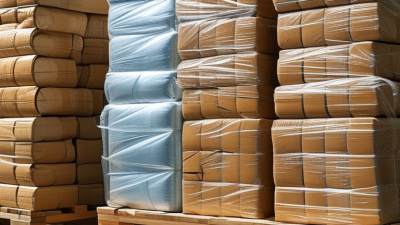
Stretch film is versatile and essential for protecting products during shipping. Buyers must consider the differences in material, thickness, and stretchability. Each choice influences durability and cost-effectiveness. For instance, increased stretch can reduce waste and improve load stability. However, not all manufacturers meet quality standards consistently.
The market is also witnessing a trend toward eco-friendly stretch films. Innovations in biodegradable options are gaining traction. Yet, some buyers might still be hesitant due to price concerns or limited performance comparisons. A careful evaluation of options is necessary to avoid regrets later. Understanding the landscape of stretch film is not just about picking a type; it involves assessing the long-term impact on logistics and the environment.
Overview of Stretch Film Types Available in 2026
As we approach 2026, the market for stretch films is evolving significantly. Buyers now have access to various types, each tailored to specific needs.
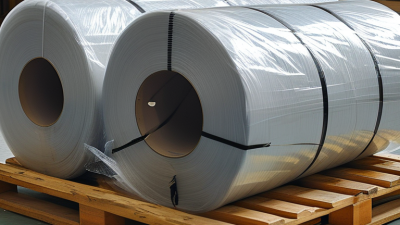
Polyethylene (PE) stretch films remain popular for their flexibility and effectiveness in securing products. They provide reliable protection and are lightweight, making them a preferred choice in numerous industries.
Other innovative options are emerging. Pre-stretched films are designed for easy handling and enhanced durability. These films require less effort during application, which reduces fatigue for workers. Additionally, cast films offer superior clarity and puncture resistance, ideal for visual merchandising. They allow consumers to see the products inside while still providing robust protection.
It’s crucial to assess environmental impacts as options expand. Bio-based or recycled stretch films are gaining traction. However, they might not perform as efficiently as traditional options in all scenarios. Buyers need to weigh efficiency and sustainability carefully. The quest for the best stretch film type involves understanding specific requirements, potential downsides, and how these materials may impact overall operations.
Key Factors Influencing Stretch Film Selection for Global Buyers
When it comes to selecting stretch film types for global buyers in 2026, several key factors come into play. The choice largely hinges on the application, the type of goods being wrapped, and environmental considerations. According to reports by the Flexible Packaging Association, the global stretch film market is expected to reach $10 billion by 2026, driven by rising demand for efficient packaging solutions.
Material properties are crucial. Buyers must consider clarity, puncture resistance, and stretchability. For example, an optimal film can stretch up to 300% without breaking. Recycled content is increasingly a factor. Many consumers prefer eco-friendly options, influencing manufacturers to develop biodegradable films. Choosing the right thickness can save costs while maintaining function. Films between 15 to 30 microns often balance performance and price effectively.
Tip: Always analyze your specific needs. A thicker film might seem better, but does it match your load requirements? Down-gauging can often reduce waste.
Another factor is the machinery compatibility. Not all films work efficiently with every wrapping machine. Understanding the operational capabilities ensures minimal downtime. According to a study, poor film selection can lead to up to 30% more product damage during shipping. Buyers should engage with suppliers to identify optimal films for their equipment.
Tip: Test samples before making a bulk purchase. This practice safeguards against costly mistakes.
Materials may influence purchasing decisions, but performance in real-world applications is paramount. Understanding these nuances can significantly enhance budget management and logistical efficiency.
Comparative Analysis of Popular Stretch Film Brands in 2026
When choosing stretch film in 2026, global buyers should consider various characteristics that differentiate top brands. Key features include thickness, elasticity, and clarity. These qualities significantly affect performance in wrapping, securing, and protecting products. Thicker films often provide enhanced strength, while highly elastic options allow for better coverage and load stability in transit.
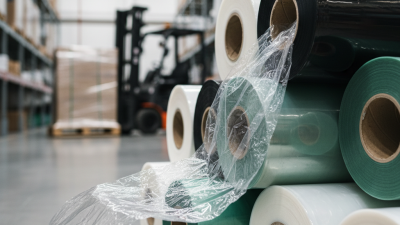
Some buyers may overlook the importance of clarity. Clear stretch films facilitate visibility, making inventory checks easier. However, choosing a more opaque film can provide extra security against tampering. It's crucial to balance visibility and security based on specific needs.
Tips: Always test stretch films before bulk purchases. Small samples allow you to assess strength and stretchability effectively. Also, consider environmental impacts. Some brands offer eco-friendly options that are worth exploring. They may come with their own challenges, such as tear resistance, which should not be ignored.
Sustainability Trends in Stretch Film Production and Usage
Sustainability is reshaping the stretch film industry as global buyers look for greener options. Traditional stretch films often rely on petroleum-based materials. These can have detrimental effects on the environment. As awareness of plastic pollution grows, manufacturers are exploring alternative materials made from renewable resources.
Biodegradable stretch films are gaining popularity. They provide the same protective qualities as conventional films but break down more easily in landfills. Some films are now made from plant-based materials. They offer similar strength and elasticity while reducing carbon footprints. However, not all biodegradable options perform well under all conditions. This leaves room for improvement in material formulation and practice.
Additionally, recyclable stretch films present a viable path forward. Many companies are implementing take-back programs to recycle used films. The challenge lies in how to efficiently collect and process these materials. As the market evolves, balancing performance and environmental impact will be crucial. Buyers must remain informed about best practices in sustainability while assessing their own needs. This is an opportunity for all stakeholders to innovate and reflect on their choices.
Future Innovations in Stretch Film Technology and Applications
The future of stretch film technology is evolving rapidly. Innovations aim to enhance efficiency and sustainability. Advanced materials are being developed to improve strength and reduce waste. These new films can offer better load stability while using less plastic.
Moreover, smart stretch films are on the horizon. These films may incorporate sensors for real-time monitoring. They could track temperature and humidity during transport. Such features ensure that products remain in optimal condition. However, integrating technology adds complexity and cost that must be carefully considered.
Sustainability remains a pressing concern. Biodegradable options are gaining attention but face challenges in performance. Many buyers worry about the trade-off between environmental impact and durability. Continuous research is needed to strike the right balance. As the market grows, stakeholders must remain adaptable to evolving needs.
Best Stretch Film Types for Global Buyers in 2026
| Film Type |
Thickness (Microns) |
Pre-Stretch Ratio |
Applications |
Market Growth Rate (2026) |
| Standard Stretch Film |
17 - 23 |
250% |
Pallet wrapping, unitizing |
5.5% |
| High-Performance Stretch Film |
15 - 20 |
300% |
Heavy-duty packaging |
6.0% |
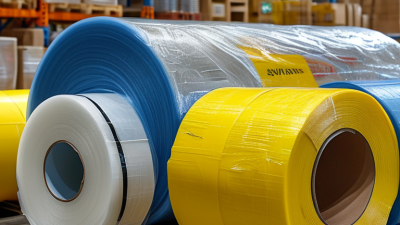
| Colored Stretch Film |
20 - 30 |
200% |
Retail and branding |
4.5% |
| Biodegradable Stretch Film |
18 - 25 |
250% |
Eco-friendly applications |
8.0% |
| Reinforced Stretch Film |
30 - 50 |
250% |
Industrial equipment wrapping |
5.0% |