The Ultimate Guide to Stretch Film Types and Their Uses?
Stretch Film is a vital packaging material in various industries. Its demand is growing, fueled by e-commerce and logistics sectors. According to a report by MarketsandMarkets, the global stretch film market is projected to reach $12.8 billion by 2025, growing at a CAGR of 4.9%. This trend highlights the essential role Stretch Film plays in securing products during transportation and storage.
Different types of Stretch Film cater to diverse needs. From designed films for high-speed wrapping to biodegradable options, the landscape is evolving. Many companies prioritize efficiency, yet they may overlook sustainability. This gap can lead to environmental challenges that demand reflection from industry stakeholders.
Understanding Stretch Film types is crucial for selecting the right product. Companies must consider factors like load stability and cost-effectiveness. However, knowledge is often fragmented, and many players in the market may lack comprehensive insights. This introduces a need for informed discussions and sharing professional knowledge in the sector.
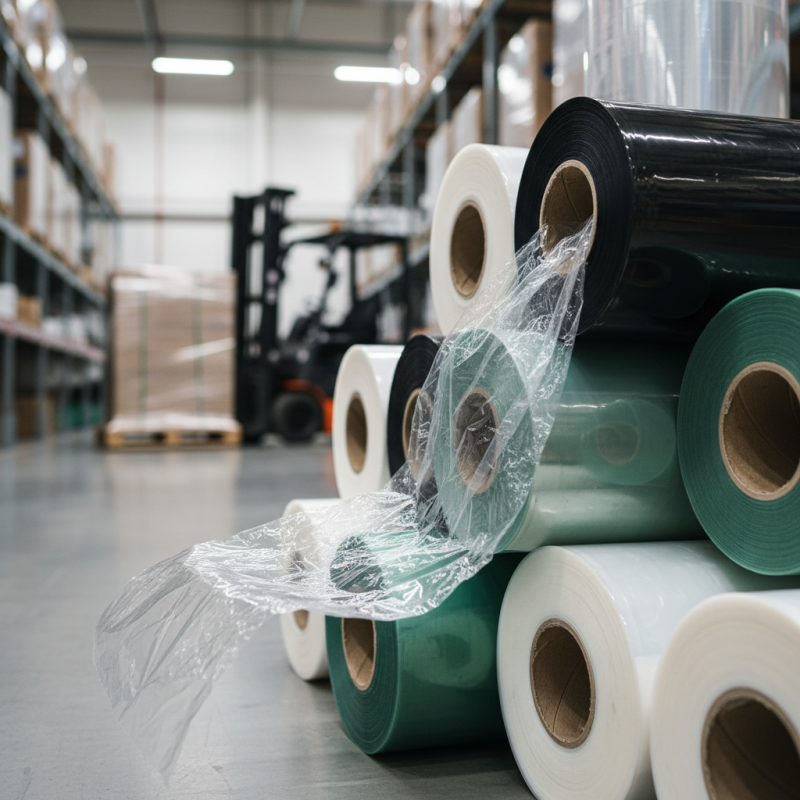
Types of Stretch Film: A Comprehensive Overview
Stretch film plays a vital role in packaging and shipping. Various types cater to different needs, making it essential for businesses. According to a report from Smithers, the global stretch film market is projected to reach $12.9 billion by 2027. This growth indicates increased demand for effective packaging solutions.
Different stretch film types include:
- Cast stretch film: clear and stretches easily, ideal for manual applications.
- Blown film: tougher and better suited for heavy loads.
- Machine stretch film: engineered for high-speed wrapping, increasing productivity.
Each type offers distinct advantages, but businesses must choose wisely based on their specific requirements.
Tip: Always test a small sample of the stretch film before large-scale use. This ensures compatibility with your packaging needs. Moreover, assess your load's weight and shape. Not all films are equal in strength.
It's important to recognize the limitations of each film type. Some businesses may find that
cast stretch film tears easily under heavy loads. Others might overlook the cost-effectiveness of using machine stretch film in high-volume operations. Evaluating these factors can lead to more informed decisions and better packaging outcomes.
Key Characteristics of Stretch Film Materials
Stretch film is essential in various industries. Understanding its key characteristics helps in choosing the right type for specific applications. Stretch film materials primarily include polyethylene, which is known for its elasticity and strength. This plastic provides excellent puncture resistance, making it ideal for palletizing goods.
Another key characteristic is clarity. Clear stretch film allows visibility of products wrapped inside. This is crucial for inventory management and quality control. Additionally, stretch film may come in different thicknesses. Thicker films offer enhanced protection, while thinner options are lightweight and cost-effective.
Some films also have specialized features. For example, UV-resistant films protect items from sunlight damage. These variations cater to different storage environments. It's important to consider these factors when selecting stretch film for your needs. Misjudging the type can lead to damaged goods or inefficient packaging. Balancing strength, clarity, and budget is crucial for optimal usage.
Applications of Stretch Film in Various Industries
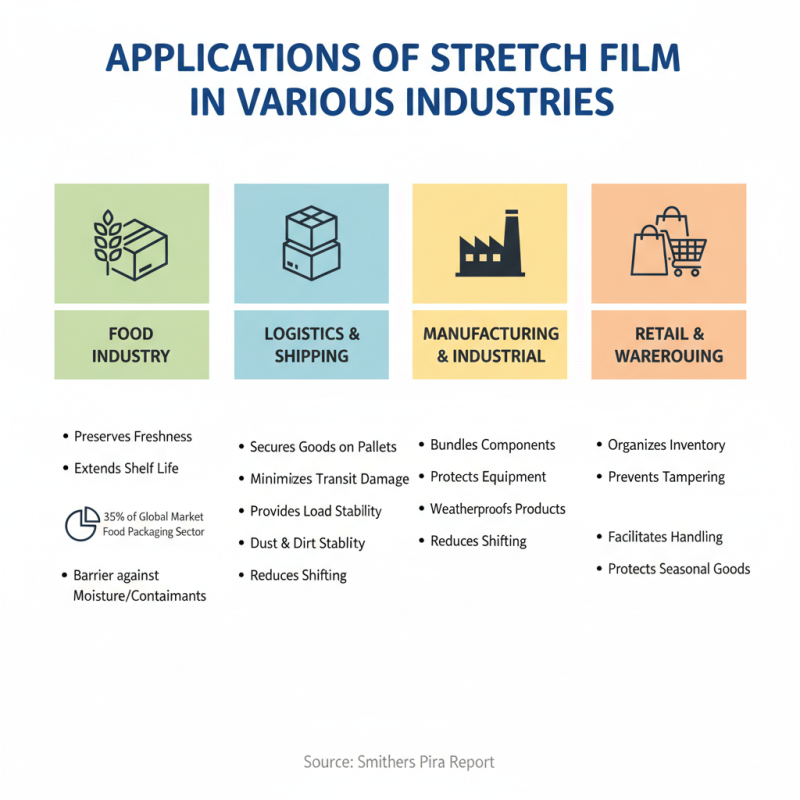
Stretch film plays a crucial role in various industries, serving as a versatile solution for packaging and securing goods. In the food industry, for instance, stretch film is employed extensively to preserve freshness and extend shelf life. According to a report by Smithers Pira, the food packaging sector represents about 35% of the global stretch film market. This demonstrates the significant demand for efficient packaging solutions. Stretch film not only provides a protective barrier against moisture and contaminants but also minimizes product damage during transit.
In the e-commerce sector, stretch film aids in stabilizing packages for shipment. The market for e-commerce continues to grow, with global sales expected to reach $6.4 trillion by 2024. Stretch film is essential for ensuring that items remain secure during handling and transportation. However, there are areas for improvement. Some companies struggle with using the appropriate film thickness or applying the right stretch tension, leading to product wastage. Focusing on optimizing these factors can enhance efficiency and reduce costs.
The construction industry also utilizes stretch film for bundling and protecting materials. It prevents moisture and dust from compromising the integrity of items like lumber and drywall. Interestingly, research indicates that the construction sector consumes nearly 20% of the global stretch film. Addressing challenges like film quality and securing methods can further improve safety and efficiency on job sites. Each industry must continuously assess its use of stretch film to maximize benefits and minimize waste.
Selecting the Right Stretch Film for Your Needs
Selecting the right stretch film is crucial for effective packaging. Different films serve various purposes. Whether it’s securing pallets or protecting products, understanding your needs is vital.
When choosing stretch film, consider the type of load. Clear films are commonly used for visibility, while black films offer UV protection. A heavier gauge film may be necessary for sharp-edged products. Don't underestimate the importance of film thickness. A thinner film might seem cost-effective but can lead to more breakage.
Tips for selecting stretch film include checking stretchability and clarity. High-stretch films can save material costs while securing loads tightly. Always test different films for your specific applications. Sometimes, what works best may surprise you. Experimentation may reveal a more efficient solution. Always reflect on your process for improvement.
Best Practices for Using and Storing Stretch Film
When using stretch film, proper technique is vital. Begin by ensuring surfaces are clean and dry. This helps the film adhere better. Overlapping is key when wrapping items. Aim for a 50% overlap for maximum tension and security. If the film tears, it can reduce effectiveness. Taking a moment to check for imperfections can save time later.
Storage practices also impact the film's performance. Stretch film should be kept away from extreme temperatures. Excessive heat can weaken the material, while cold can make it brittle. Store rolls upright to prevent deformation and ensure easy access. Inspect the film regularly for fading or tearing. Such flaws can compromise load integrity. It’s worth it to take these extra steps; they greatly enhance the film's longevity and utility.
The Ultimate Guide to Stretch Film Types and Their Uses
| Stretch Film Type |
Thickness (Gauge) |
Typical Uses |
Advantages |
Storage Recommendations |
| Hand Stretch Film |
60-80 |
Pallet wrapping, small item bundling |
Easy to use, portable |
Store in a cool, dry place away from direct sunlight |
| Machine Stretch Film |
50-80 |
Automated wrapping for large items |
Consistent tension, higher speed |
Store vertically and avoid extreme temperatures |
| Extended Core Stretch Film |
65-90 |
Bundling, secure stacking |
Easy application without dispensers |
Store in a dry area, keep away from machinery |
| Premium Stretch Film |
80-120 |
Heavy duty wrapping, long-term storage |
Superior stretch ability, puncture resistance |
Keep away from heat sources and extreme cold |
| Colored Stretch Film |
60-90 |
Inventory identification, theft prevention |
Aesthetic appeal, color coding |
Store in a controlled environment to maintain quality |