What is the Best Stretch Film for Global Packaging Needs?
In the fast-evolving world of packaging, finding the best Stretch Film is essential for businesses navigating global markets. Mark Johnson, a leading expert in packaging solutions, emphasizes, “The right Stretch Film can make a significant difference in reducing material costs and improving product safety.” Understanding the nuances of Stretch Film is crucial for companies aiming to optimize their supply chains.
Not all Stretch Films are created equal. Variations exist in thickness, elasticity, and strength. Each type serves different packaging needs, from protecting fragile items to securely bundling heavy loads. Companies often face the challenge of selecting the appropriate film that matches their specific requirements. This decision impacts efficiency, cost, and overall product integrity.
The landscape of Stretch Film is also changing. Innovations introduce new materials and methods, raising questions about sustainability and functionality. Businesses must navigate these options carefully. While striving for eco-friendly practices, they should not overlook the film's performance in high-demand environments. Balancing these factors can lead to discussions that reveal room for improvement in current practices and standards.

Factors to Consider When Choosing Stretch Film for Packaging
When choosing the best stretch film for packaging, several factors come into play. First, consider the film’s thickness. Thicker films offer better strength and puncture resistance, ideal for heavy loads. However, they may be less flexible and harder to apply. Lighter films are easier to handle but might not protect goods adequately. Assessing your specific needs is vital.
Another critical factor is the stretchability of the film. Higher stretchability can enhance load containment but may sacrifice strength. It’s essential to find a balance between these qualities. Think about your packaging environment as well. If your goods are stored outdoors, UV resistance might be necessary. Additionally, certain films can stick to themselves, reducing slip. However, this could lead to over-wrapping and wasted material.
Reflecting on your packaging process is essential too. Is your team trained in film application? Poor techniques can undermine even the best materials. Reviewing previous experiences can reveal useful insights. A multi-faceted approach will ensure the stretch film chosen meets all your global packaging needs effectively.
Types of Stretch Film Available for Global Shipping Solutions
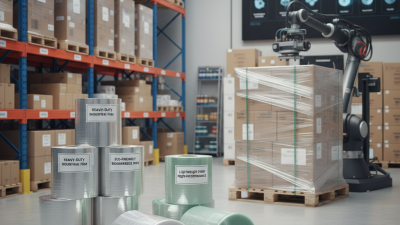
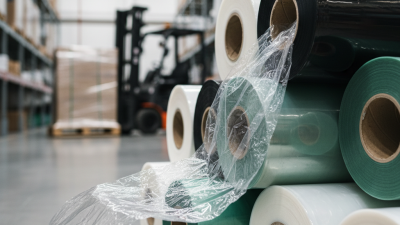
When discussing stretch film for global shipping, it's essential to consider the different types available. Each type serves a specific purpose and meets various packaging needs. The most common types are blown stretch film, cast stretch film, and pre-stretched film.
Blown stretch film offers high puncture resistance. It works well in tough shipping environments. This type has excellent elasticity, ensuring a snug fit around products.
Cast stretch film, on the other hand, is known for its clarity and quiet unwinding. Its thinner design allows for more efficient wrapping of lightweight items.
Pre-stretched film comes ready to use, minimizing user effort and providing consistent tension across loads.
Selecting the best type hinges on specific shipping requirements. Some businesses may prioritize strength, while others may focus on flexibility. Reflecting on these factors is critical in choosing the right film.
It’s worth noting that product compatibility is vital. Using the wrong type could lead to damage during transit.
Understanding these nuances can help businesses streamline operations and enhance their packaging strategies.
Advantages of Using Stretch Film in Packaging Supply Chains
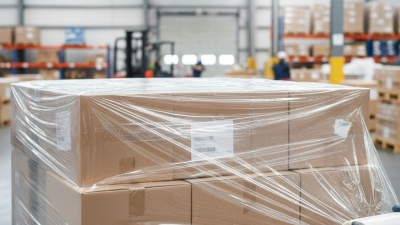
Stretch film plays a crucial role in packaging supply chains. It provides a protective layer for products during storage and transportation. This versatile material is lightweight yet strong, ensuring items remain secure. Many companies are turning to stretch film due to its ability to conform to various shapes. This adaptability helps minimize damage and loss.
One significant advantage of using stretch film is its cost-effectiveness. It reduces the need for additional packaging materials, saving both time and money. Moreover, stretch film is recyclable, leading to less environmental impact. However, not every option on the market performs equally. Finding the right film can be challenging, as thickness and elasticity vary widely.
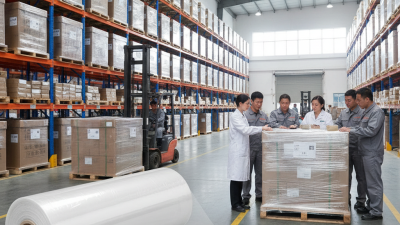
Logistics professionals often note the importance of proper application techniques. Improperly wrapped pallets can lead to product damage and waste. Training staff on effective wrapping methods is essential. Continuous evaluation of packaging supplies can uncover areas for improvement. Making informed decisions about stretch film choices can greatly enhance supply chain efficiency.
Applications of Stretch Film Across Different Industries
Stretch film is essential across various industries, serving multiple packaging needs. In the logistics sector, it stabilizes loads and protects products during transit. According to a recent report by Freedonia Group, demand for stretch film is projected to grow by 4.5% annually, reaching 3.6 billion pounds by 2024. This growth reflects its importance in securing goods efficiently.
In the food industry, stretch film plays a key role. It prevents contamination and enhances shelf life. Research from the Packaging Association shows that films can reduce spoilage by up to 40%. Additionally, many food producers are shifting to recyclable materials for stretch film. This trend highlights a movement towards sustainability that is becoming increasingly important.
Moreover, the use of stretch film in the construction sector is notable. The film protects materials from moisture and dust. However, there are challenges. Not all films meet environmental regulations, leading to waste management issues. Therefore, ongoing innovation is critical to enhance quality while addressing ecological concerns. Understanding these applications can guide industries in selecting the right stretch film for their specific needs.
Best Practices for Using Stretch Film for Optimal Protection and Efficiency
When choosing stretch film for packaging, efficiency and protection are paramount. Proper usage can significantly impact the condition of goods during transport. Using the right film thickness is essential. A thicker film may provide more protection but can be challenging to handle. A balance must be found.
One common practice is to stretch the film to its optimal elongation. This enhances its strength and ensures the goods are tightly wrapped. Pay attention to the wrapping technique. A consistent overlap of 50% can prevent shifting during transport. However, it's crucial not to over-stretch, as it can lead to tears and failures.
Temperature plays a big role in the effectiveness of stretch film. Warmer conditions can enhance film stretchability, while cold temperatures can make it brittle. Adjusting your methods according to environmental conditions is vital. Observations show that varying techniques yield different results. Experimentation can help identify the best approach. This reflection on methods is essential for improvement and efficiency in packaging.