10 Essential Tips for Using Polyethylene Wrap Plastic Film Effectively?
Polyethylene Wrap Plastic Film has become an essential tool in various industries, mainly due to its versatility and durability. According to a recent report by Technavio, the global polyethylene film market is projected to grow by nearly $15 billion from 2023 to 2027. This growth highlights the increasing importance of efficient packaging solutions in an evolving marketplace. Industry expert Dr. Emily Chen states, "Understanding the correct application of Polyethylene Wrap can greatly reduce waste and increase efficiency."
Using Polyethylene Wrap Plastic Film effectively requires knowledge and practice. Many users often underestimate its potential. A common mistake is using insufficient material when wrapping products, leading to damage and spoilage. In various sectors, from food preservation to industrial packaging, the proper application is crucial. Organizations that excel in this field report an average 20% cost reduction in waste, emphasizing the importance of effective usage.
While many tips exist to optimize wrapping techniques, ongoing learning is essential. Users must be aware of both the strengths and limitations of Polyethylene Wrap Plastic Film. Acknowledging areas for improvement is key to achieving better results in packaging.
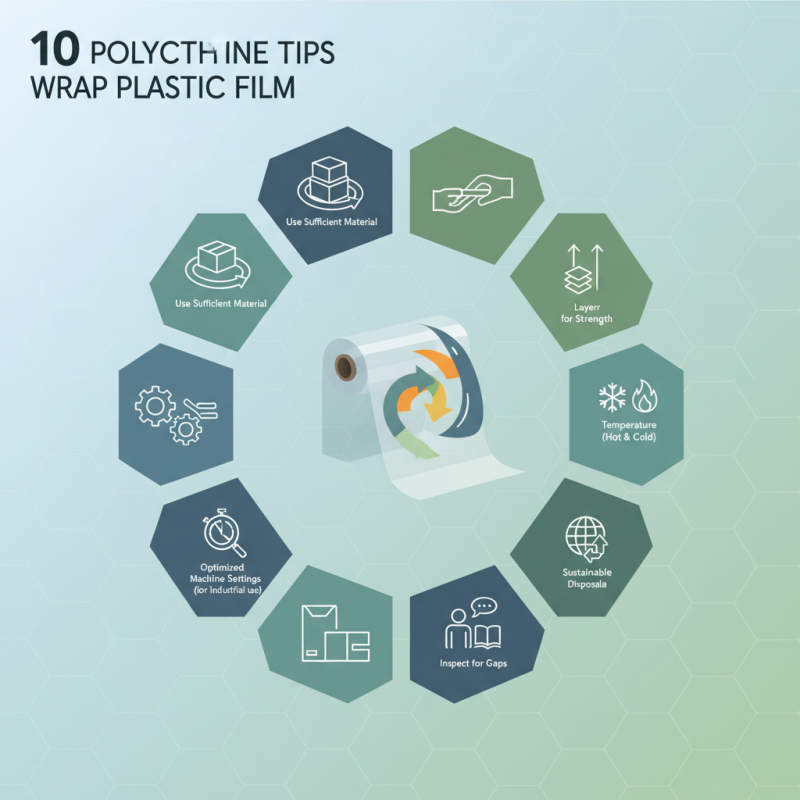
Understanding Polyethylene Wrap: Types and Benefits
Polyethylene wrap, commonly known as cling film, is a crucial tool in food preservation and packing. Understanding its types can greatly enhance its use. The two main types are low-density and linear low-density polyethylene films. Low-density films are perfect for wrapping food items. They offer excellent stretchability and cling. Linear low-density films have a stronger, more durable structure, suitable for heavier items. Both types provide protection against moisture and contaminants, ensuring the freshness of food.
When it comes to using polyethylene wrap effectively, following some simple tips can make a significant difference. Ensure the surface is clean and dry before wrapping. This helps the film adhere better, providing a tighter seal. Avoid stretching the film too much. While it should cling, excessive pulling can lead to tearing. If you encounter frustrations like slipping or sagging, consider using wider sheets. They cover items more efficiently, reducing waste.
Storage is another aspect to consider. Keep the wraps in a cool, dry place to prevent them from becoming sticky. If the edges seem to curl over time, a little warm air can help soften the film, making it easier to work with. Remember, using polyethylene wrap is about experimenting. Not every technique works perfectly on the first try. Evaluating your methods can lead to better results in the long run.
10 Essential Tips for Using Polyethylene Wrap Plastic Film Effectively
| Tip Number |
Tip Description |
Type of Polyethylene Wrap |
Benefits |
| 1 |
Choose the right thickness for your needs. |
Standard 200 gauge |
Good for general use, provides decent stretch and strength. |
| 2 |
Use double layers for extra protection. |
Heavy-duty 250 gauge |
Offers enhanced durability for heavy or sharp items. |
| 3 |
Make sure to clean your surfaces before wrapping. |
Standard 300 gauge |
Ideal for long-term storage and prevents contamination. |
| 4 |
Shrink wrap tightly to prevent moisture ingress. |
Shrink wrap film |
Protects items from dust, dirt, and moisture. |
| 5 |
Utilize hand dispensers for ease of use. |
Stretch wrap |
Improves efficiency and speed in wrapping items. |
| 6 |
Store in a cool, dry place. |
All types |
Prevents degradation and extends shelf life. |
| 7 |
Do not reuse damaged or contaminated wraps. |
All types |
Ensures safety and cleanliness of packaged items. |
| 8 |
Consider vacuum-sealing for perishable items. |
Vacuum seal bags |
Extends shelf life of food significantly. |
| 9 |
Use colors to differentiate wrapped items. |
Colored wrap |
Enhances organization and identification. |
| 10 |
Dispose of used wrap responsibly. |
All types |
Promotes environmental sustainability. |
Choosing the Right Thickness for Your Needs
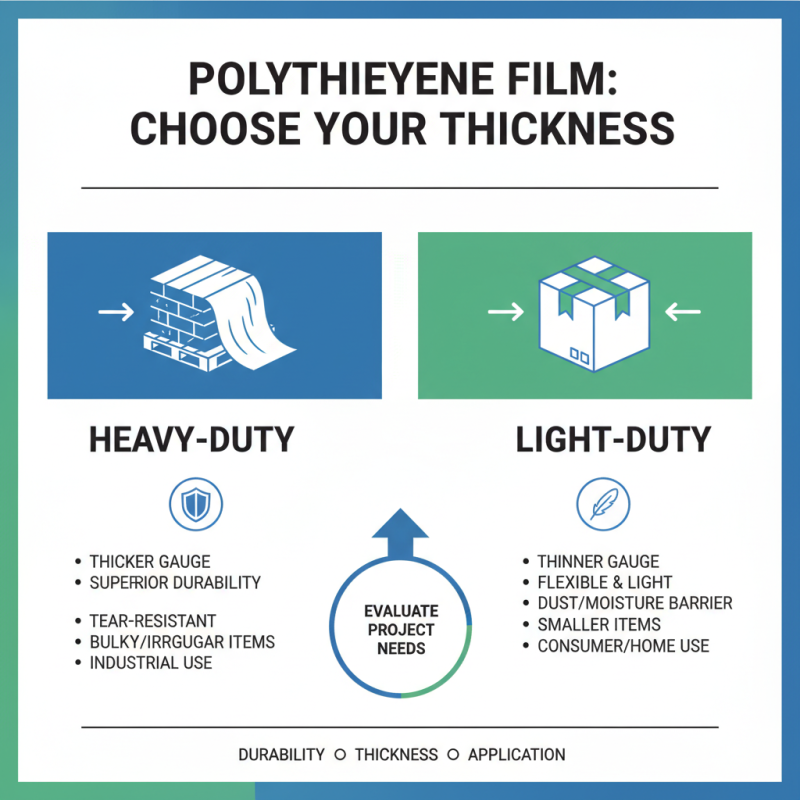
Choosing the right thickness of polyethylene wrap plastic film is crucial for effective usage. Thicker films provide better durability and resistance to tears. They are ideal for heavy-duty wrapping, like securing bulky items. If you need a film for lighter tasks, a thinner option may suffice. It is essential to evaluate the specific requirements of your project before selecting a thickness.
A common error is assuming that thicker is always better. Heavy-duty films can be more expensive, but they might not be necessary for lighter applications. On the other hand, using a too-thin film for a heavy object can lead to breakage. Understanding your needs will save you time and resources in the long run.
Consider your storage conditions, too. If humidity or temperature changes are a factor, a thicker film could provide better protection. However, some tasks may require flexibility over strength. Always keep these variables in mind when choosing your polyethylene wrap. Experimenting with different thicknesses can help you find the perfect balance for your specific tasks.
Proper Techniques for Wrapping Different Items
When using polyethylene wrap plastic film, different techniques are crucial based on the items being wrapped. For food preservation, maintaining freshness is a top priority. Researchers indicate that wrapping food properly can extend its shelf life by up to 50%. When wrapping fruits and vegetables, ensure that the film directly contacts the item to reduce air exposure. This method prevents moisture loss and helps in maintaining crispness.
For irregularly shaped items, like furniture or equipment, the technique changes. Use a method called “cocoon wrapping.” This involves layering the wrap in overlapping circles to ensure even coverage. Statistics show that items wrapped this way have a 30% lower risk of damage during transport. However, care is needed; too much pressure can lead to unwanted dents or marks.
For small objects, remember less is more. Over-wrapping can create waste and complicate unwrapping. Ideal practices suggest using just enough film to cover without excess. This approach not only minimizes material usage but also enhances efficiency. The right technique matters significantly across various applications. Adaptability is key to mastering the art of wrapping effectively.
10 Essential Tips for Using Polyethylene Wrap Plastic Film Effectively
Common Mistakes to Avoid When Using Plastic Film
When using polyethylene wrap plastic film, common mistakes can significantly reduce effectiveness. One prevalent error is over-stretching the film. Many users believe that pulling the film tighter ensures a better seal. In reality, over-stretching can cause the film to tear. According to a 2022 industry report, approximately 30% of users face issues due to improper stretching techniques. This not only wastes material but also compromises the integrity of the wrap.
Another frequent mistake involves inadequate surface preparation. Users often overlook cleaning and drying the surfaces before application. This failure leads to poor adhesion. A study from the Packaging Association highlights that up to 25% of wrapped items suffer from spoilage. Contaminants can prevent the film from sticking properly, increasing the risk of air exposure. Additionally, neglecting to overlap the film adequately is a common oversight. A minimal overlap can result in unsealed gaps, undermining the protective function of the wrap. Research indicates that proper sealing can extend the shelf life of food products by up to 50%.
Understanding these issues is crucial for effective plastic film usage. Reflecting on these common pitfalls can improve practices significantly. Users should continuously assess their wrapping techniques to avoid material waste and ensure quality preservation.
Storage and Disposal Tips for Eco-Friendly Practices
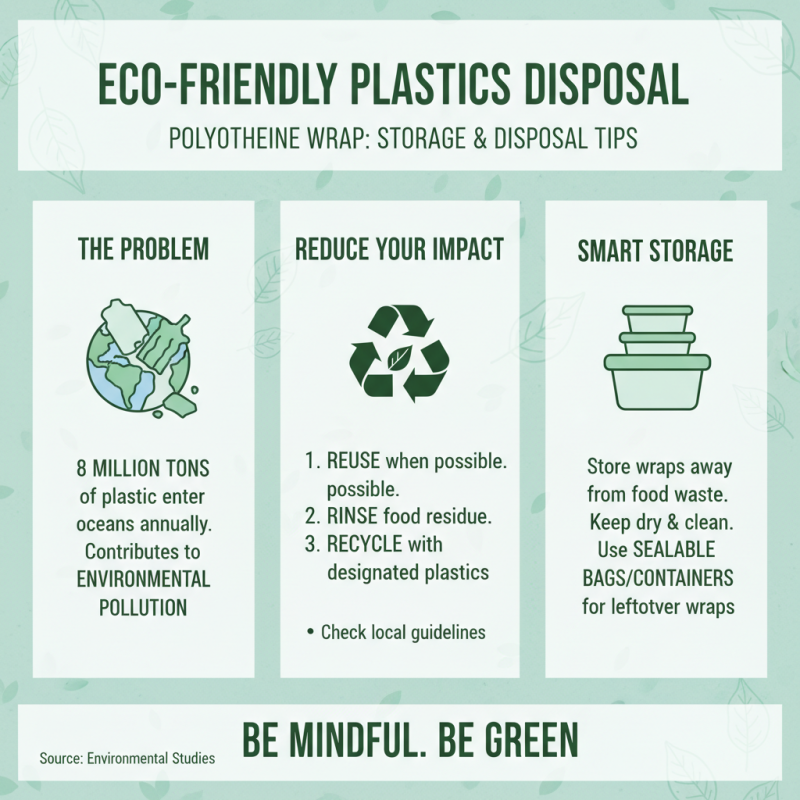
When using polyethylene wrap, eco-friendly disposal is essential. Studies show that plastic waste contributes significantly to environmental pollution. In fact, nearly 8 million tons of plastic leak into oceans annually. Reducing this impact requires mindful disposal practices.
To be eco-friendly, avoid regular trash bins for polyethylene wrap. Instead, check for local recycling programs that accept plastic film. Only 16% of plastic bags and wraps are recycled in the U.S., a figure that highlights the need for awareness. Some supermarkets offer recycling collection bins for this purpose. This step does not just reduce landfill waste; it promotes responsible consumption.
Consider reusing polyethylene wrap when possible. It can be wiped clean and employed again for non-food items. However, when cleanliness isn't guaranteed, disposal is necessary. Evaluate alternatives, such as compostable wraps, which can serve similar purposes without the environmental burden.
Finding a balance between convenience and the planet's health remains a challenge. Every small action contributes to a larger vision of sustainability. Reflect on your practices and adapt them for a greener future.