What is Packaging Film and How is it Used in Modern Industries?
Packaging film plays a crucial role in various industries today. It is a thin plastic film used to wrap and protect products. This material offers several benefits, such as durability, flexibility, and moisture resistance. Many businesses rely on packaging film to enhance product shelf life.
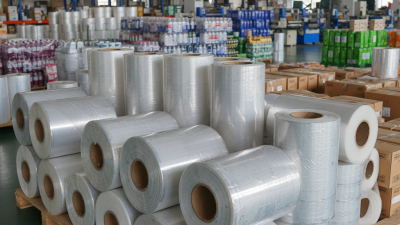
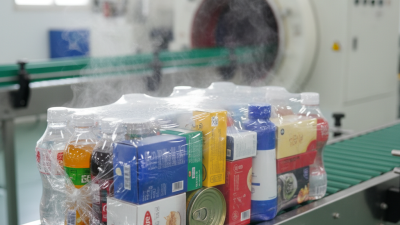
Different types of packaging film cater to diverse needs, from food preservation to industrial applications. For instance, shrink films wrap items tightly, while stretch films secure loads on pallets. Each type offers unique advantages, yet the selection process can be challenging. Companies must evaluate their specific requirements carefully.
Despite its widespread use, packaging film's environmental impact raises concerns. The industry is exploring sustainable alternatives. Yet, balancing functionality and eco-friendliness remains difficult. As innovations develop, understanding the role of packaging film becomes more vital for businesses aiming for sustainability.
Definition and Types of Packaging Film Used in Various Industries
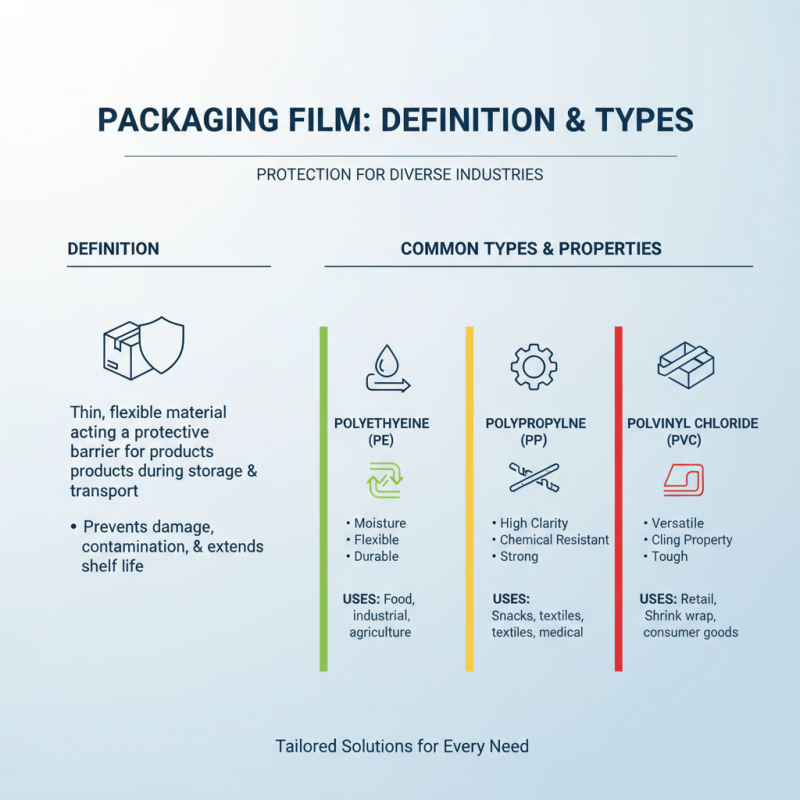
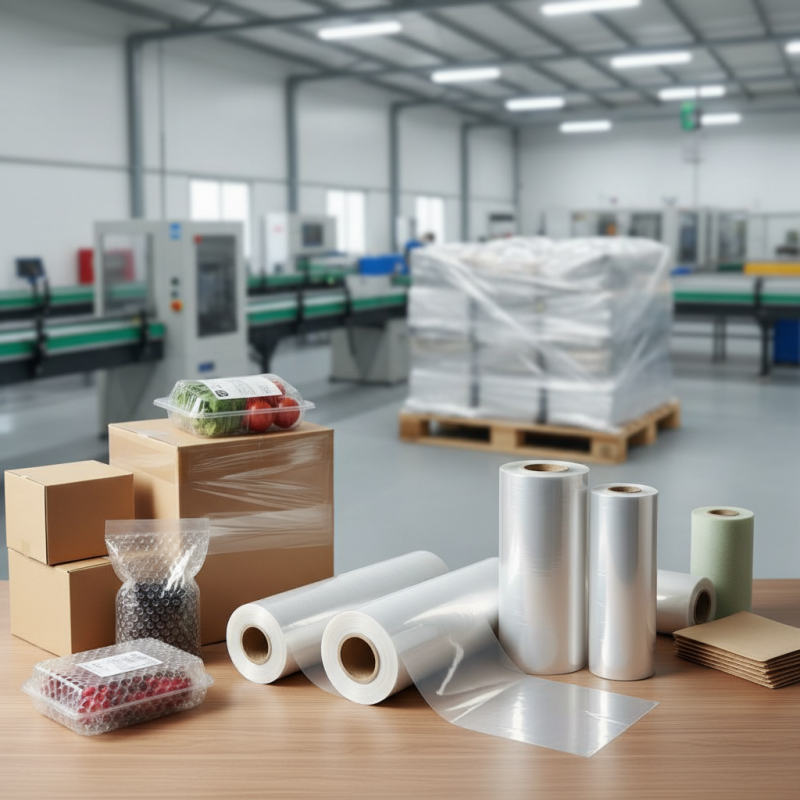
Packaging films play a crucial role in various industries, serving as a protective layer for products. These films come in different types, each tailored to specific needs. Common materials include polyethylene, polypropylene, and polyvinyl chloride. Each type offers unique properties, such as moisture barrier, durability, and flexibility.
According to a report by a leading market analysis firm, the global packaging films market is projected to reach $359 billion by 2026. This growth reflects the increasing demand for packaged goods. Food and beverage industries are the largest consumers, requiring films that extend shelf life while maintaining product integrity. For instance, barrier films used in food packaging can reduce spoilage by inhibiting oxygen transmission.
In the pharmaceutical sector, packaging films ensure medication safety and stability. They often require stringent compliance with regulations. However, the challenge lies in selecting the right materials that balance cost and functionality. Addressing sustainability concerns also poses questions. As consumers demand eco-friendly options, industries are exploring biodegradable films and recyclable materials, which often complicates production processes. Such issues highlight the importance of innovation in packaging film technology.
Key Properties and Features of Packaging Films for Optimal Performance
Packaging films play a vital role in various modern industries, from food to pharmaceuticals. These films must possess key properties to ensure optimal performance. One important feature is barrier protection. High-quality films effectively protect products from moisture, oxygen, and light. This prevents spoilage and maintains product integrity.
Flexibility is another crucial property of packaging films. Films must accommodate various shapes and sizes without compromising strength. Ease of handling during packaging processes can greatly affect efficiency. Additionally, these films need to be compatible with various sealing methods. This ensures a secure closure that retains product freshness.
Sustainability is increasingly important in packaging materials. Films made from eco-friendly materials can reduce the industry's carbon footprint. However, finding a balance between performance and environmental impact is challenging. Companies must continually evaluate their choices to enhance both efficiency and sustainability. Creating films that are effective yet eco-conscious remains a field for improvement.
Properties of Packaging Films in Modern Industries
Applications of Packaging Film in Food and Beverage Industries
Packaging film plays a crucial role in the food and beverage industries. It protects products from contamination and extends shelf life. This barrier is essential for maintaining freshness. Various types of films are used, including plastic wraps, pouches, and laminates. These materials are lightweight and provide effective protection.
In the beverage sector, packaging film is vital for bottled drinks and pouches. It prevents leaks and spoilage, ensuring that consumers receive safe products. The transparent nature of some films allows consumers to see the contents. This can encourage purchases. Yet, the sustainability of packaging film is a growing concern. Many films are not biodegradable, raising environmental questions.
Food products also benefit from advanced packaging films. For instance, vacuum-sealed films remove air and enhance preservation. However, the challenge lies in balancing protection and eco-friendliness. Innovative materials are being explored to meet these needs. As the industry evolves, so must the approaches to packaging film. This ongoing challenge impacts both manufacturers and consumers alike.
Role of Packaging Films in Pharmaceutical and Medical Sectors
Packaging films play a crucial role in the pharmaceutical and medical sectors. These films provide safety and protection for sensitive products. They are used to package everything from tablets to syringes. The materials used must meet strict regulatory standards. This ensures that the medications remain uncontaminated and effective.
Hygiene is a top concern in this industry. Packaging films create a barrier against moisture and air that can compromise products. They are often designed to be tamper-evident, reinforcing patient trust. However, the industry faces challenges. Not all films are biodegradable or recyclable. This raises questions about environmental impact and sustainability.
Furthermore, manufacturers must balance cost with quality. Low-cost options may not always meet safety standards. There is also the issue of compatibility between film materials and the products they protect. Each application may require a different type of film. Thus, ongoing research and innovation are necessary to improve performance. The ultimate goal is to ensure that packaging keeps products safe while minimizing harm to the environment.
Sustainability Practices in the Production and Use of Packaging Films
Sustainability in packaging film production is increasingly important. Modern industries are shifting towards eco-friendly materials. Biodegradable films made from plant-based resins show promise. These films offer similar protective qualities as traditional plastics. However, they can be more expensive to produce.
Some companies are now focusing on recycling initiatives. Innovative recycling technologies allow for used films to be processed into new products. Yet, consumer participation in recycling remains a challenge. Education about proper disposal methods is essential. Many people still confuse recyclable films with regular plastics.
Moreover, the life cycle of packaging films needs examination. Assessing environmental impacts from production to disposal highlights areas for improvement. While advancements are being made, it is crucial to remember that sustainability is an ongoing journey. The quest for perfect solutions continues, yet small steps can lead to significant progress.