Why is Packaging Film Essential for Global Supply Chains?
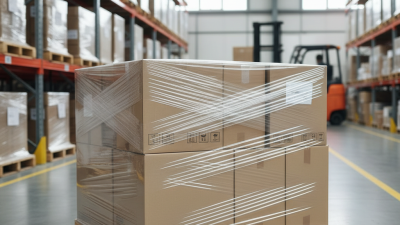
In today's global supply chains, Packaging Film plays a pivotal role. "Packaging Film protects products during transit and ensures their quality," says Dr. Emily Parker, an expert in packaging solutions. This material not only reduces waste but also enhances shelf life.
The significance of Packaging Film goes beyond mere protection. It is integral to the logistics of goods, helping maintain temperature and in some cases, even freshness. However, the industry faces challenges. The demand for sustainability pressures manufacturers to innovate.
There is a critical balance to achieve. While ensuring efficiency, the environmental impact must also be considered. Advanced materials and technologies could reduce waste. Yet, the transition can be slow. Hence, discussing the future of Packaging Film becomes important in optimizing supply chain effectiveness and sustainability.
The Role of Packaging Film in Enhancing Product Protection
In today's global supply chains, packaging film plays a vital role. It enhances product protection throughout the journey from manufacturer to consumer. According to a report from Smithers Pira, the global demand for flexible packaging is expected to reach 1.3 trillion USD by 2024. This surge highlights the importance of quality packaging in protecting products.
Packaging film safeguards items from moisture, dust, and physical damage. For instance, the food industry relies heavily on barrier films to extend shelf life. The Food Packaging Forum states that effective packaging can reduce food waste by up to 40%. This not only protects the product but also supports sustainability efforts. However, not all packaging options are equally effective. Some materials may fail under certain conditions, raising concerns in the logistics chain.
Despite advancements, challenges remain. A study by Allied Market Research found that improper packaging contributes to losses during shipping. For example, fragile items often arrive damaged. Companies need to prioritize better materials and designs. Continued innovations in packaging technology are essential, yet many businesses still overlook this critical aspect. Reliable packaging solutions should be a focus, especially in a world that demands efficiency and sustainability.
Impact of Packaging Film on Supply Chain Efficiency and Cost Reduction
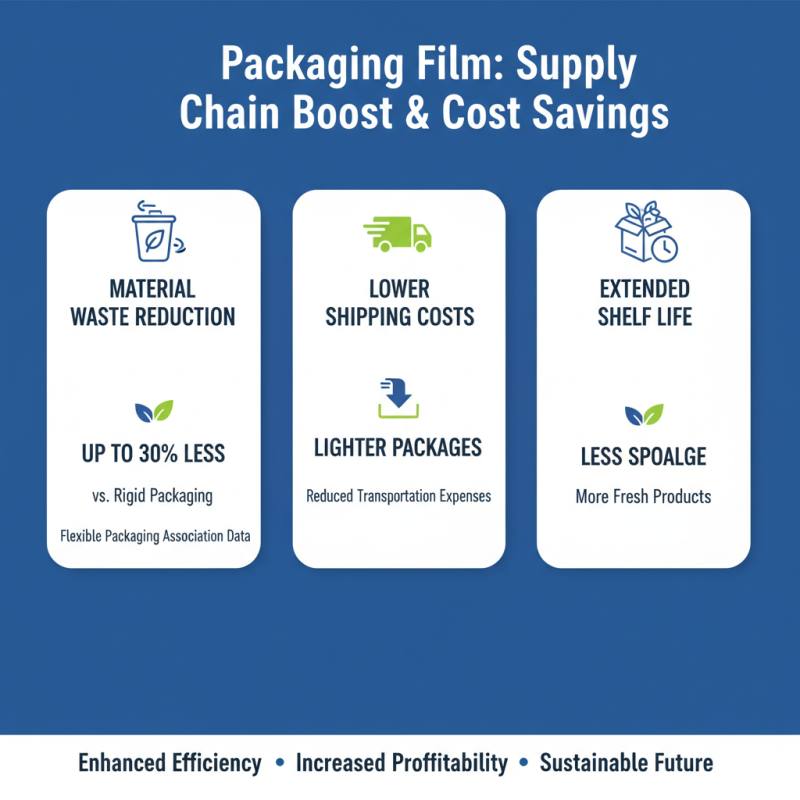
Packaging film plays a pivotal role in enhancing supply chain efficiency and reducing costs. Data from the Flexible Packaging Association indicates that flexible packaging can reduce material waste by up to 30% compared to rigid alternatives. This reduction directly contributes to lower shipping costs as lighter packages decrease transportation expenses. Additionally, the use of advanced packaging materials can extend shelf life, lowering spoilage and ensuring more products reach consumers in peak condition.
Moreover, efficient packaging can streamline packing processes. Research shows that companies adopting automated packaging solutions have seen a 20% increase in packing speed. This efficiency allows businesses to respond faster to market demands. However, transitioning to these new materials and processes can incur initial costs, which some companies may find challenging. The key lies in balancing short-term expenditures with long-term savings.
While the benefits are clear, some organizations struggle with adopting innovative packaging technologies. Supply chain disruptions can occur when integrating new materials. Continuous assessment of packaging strategies is vital. The impact on overall supply chain performance is significant, provided companies remain adaptable and receptive to change.
Sustainability Trends in Packaging Film for Global Supply Chains
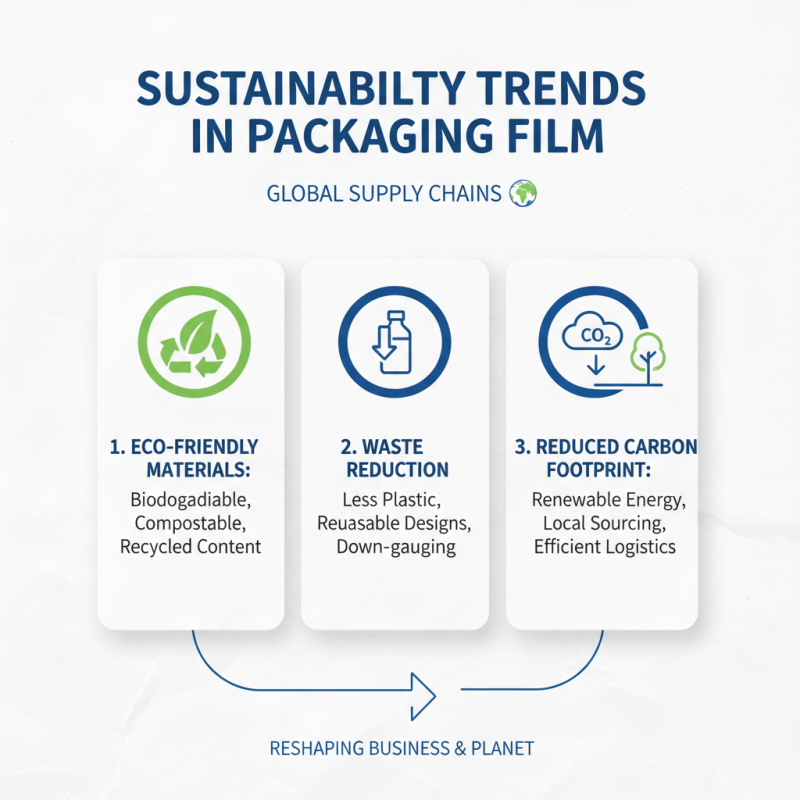
Sustainability trends are reshaping packaging film for global supply chains. Many businesses are now prioritizing eco-friendly materials. These innovations aim to reduce plastic waste and carbon footprints.
Biodegradable films are gaining traction. They offer a promising alternative to traditional plastics. Recently, some companies tested plant-based materials. Results showed a significant decrease in environmental impact. However, scalability remains a challenge. Many firms struggle to mass-produce these options without compromising quality.
Consumer demand is pushing for transparency. Customers want to know the origins of materials. This trend encourages brands to disclose their sustainability efforts. Yet, the industry faces hurdles in standardizing these practices. Packaging regulations vary widely across regions. Consistency in sustainability claims can sometimes be elusive. Thus, while progress is evident, continuous reflection and adaptation are essential.
Innovations in Packaging Film Technology and Their Implications
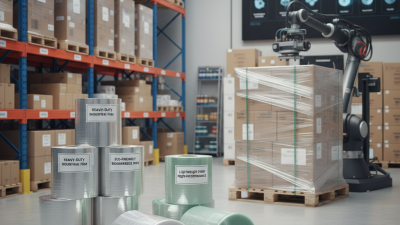
Innovations in packaging film technology are reshaping global supply chains. Advanced materials are now more durable and sustainable. For instance, biodegradable films are gaining traction. These innovations reduce waste and enhance product safety. Manufacturers are eager to adopt these new solutions.
Digital printing on films is another breakthrough. This technology allows for customized packaging. Brands can now produce smaller runs more efficiently. The result is less inventory and less obsolescence. However, there are challenges. Not all suppliers can meet the rising demand for flexibility.
Cold chain logistics also benefit from advancements. Temperature-sensitive products require specialized films. New technologies help maintain the right conditions during transport. This is crucial for perishable goods. But achieving consistency remains a struggle for many. Companies must continuously refine their processes to build trust and reliability in packaging film.
Impact of Packaging Film Innovations on Supply Chain Efficiency
This chart illustrates the impact of various innovations in packaging film technology on supply chain efficiency. Each category is rated on a scale from 1 to 10, highlighting how improved barrier properties have the greatest influence, while customization has the least. These advancements are crucial for maintaining competitiveness in the global supply chain.
Regulatory Considerations for Packaging Film in International Shipping
Regulatory considerations for packaging film play a crucial role in international shipping. Different countries have diverse regulations. These rules impact material selection, labeling, and compliance testing. For example, the European Union supports regulations like REACH and the Packaging Waste Directive. These initiatives aim to ensure safety and sustainability.
A report from Smithers disclosed that the global flexible packaging market is projected to reach $320 billion by 2024. Compliance with regulations will become even more important as this market grows. Material safety, recyclability, and environmental impact are essential factors for businesses. Many companies are still struggling to adapt to these standards. This brings about a challenge in balancing costs and compliance.
Incorrect packaging can lead to serious consequences. Non-compliance can result in delays and hefty fines. Such penalties are particularly alarming for smaller companies. According to a study by Mordor Intelligence, around 45% of businesses face issues related to regulatory compliance. This statistic highlights the need for awareness and proactive strategies in packaging film selection. As international shipping continues to evolve, navigating these regulations will remain a complex task.