inquiry
Leave Your Message

Top 10 Best Pe Shrink Film Options for Your Packaging Needs?

In the packaging industry, selecting the right materials is crucial for product protection and presentation. PE Shrink Film stands out as a versatile option. Mark Edwardson, a leading expert in packaging solutions, emphasizes, "Choosing the right shrink film can significantly enhance product shelf appeal." This highlights the importance of quality in PE Shrink Film for businesses.

Today, countless products rely on PE Shrink Film for secure packaging. Its ability to tightly conform and protect items makes it a favored choice among manufacturers. Many companies are still unaware of the varying qualities available in the market. The differences in thickness and clarity can affect durability and aesthetics.

Some businesses rush the selection process. This often leads to the use of inferior films that do not meet their needs. It’s essential to conduct thorough research before making a final choice. Improper selection can result in wasted resources and damaged products. Aim to invest time in understanding the best PE Shrink Film options available.
Top 10 Best Pe Shrink Film Options for Your Packaging Needs?

Understanding PE Shrink Film and Its Applications

Top 10 Best Pe Shrink Film Options for Your Packaging Needs?

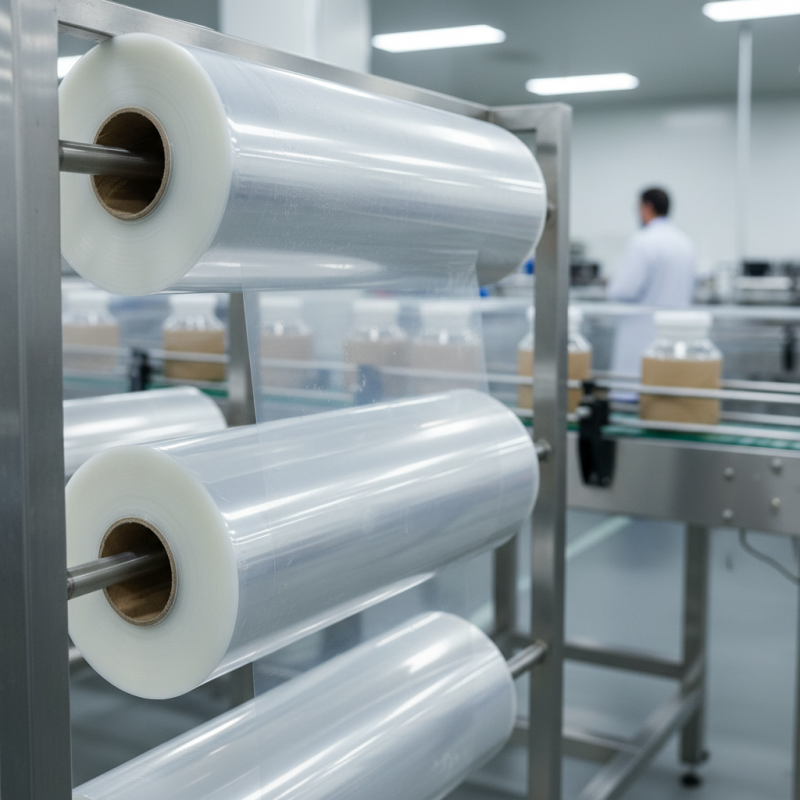
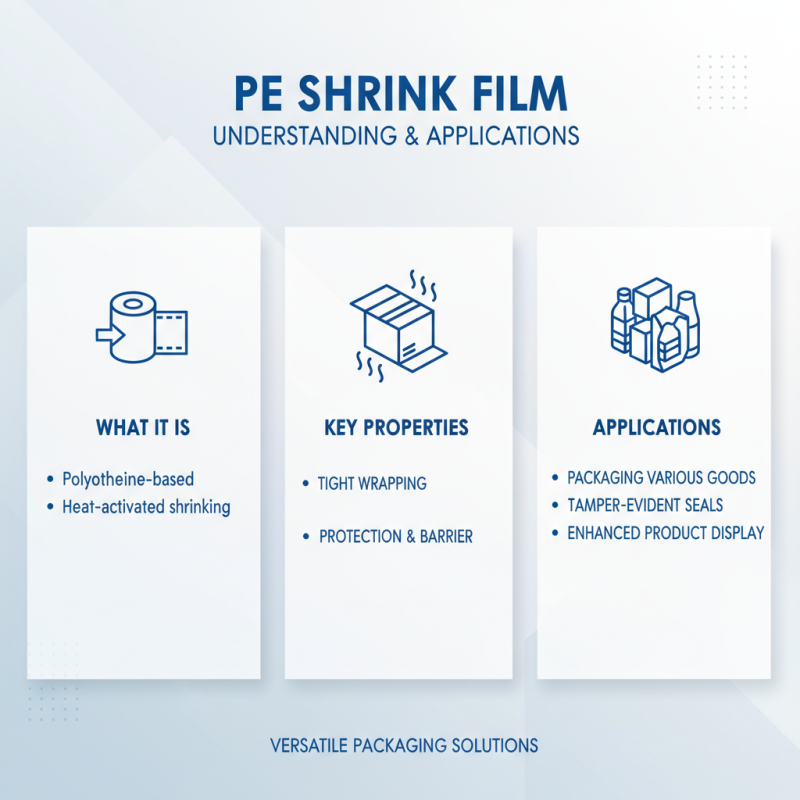
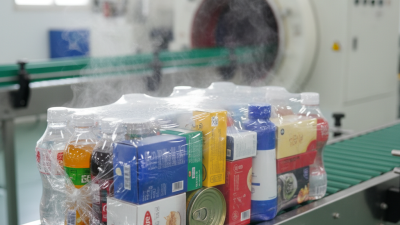
Polyethylene (PE) shrink film is a versatile packaging solution used in various industries. It is popular due to its ability to tightly wrap products, providing protection and enhancing their appearance. This material shrinks when heat is applied, forming a solid barrier around items. Such a process ensures that contents are secure and tamper-evident.

The applications of PE shrink film are extensive. It is commonly used for bundling multiple products together, such as cans or bottles, increasing stability during transport. Additionally, many retailers favor this film for branding purposes. The clear finish allows for visibility of the product, enticing consumers and boosting sales. However, choosing the right thickness and type can prove challenging. Not all PE films perform equally under various conditions, and some may not seal properly.

Users should also consider environmental factors. While PE shrink film is often recyclable, its disposal can raise concerns. Some facilities may not accept it, leading to potential waste. Furthermore, the discrepancies in film quality can affect overall effectiveness. These issues highlight the importance of thorough testing and selecting trustworthy suppliers. Companies should strive to find solutions that balance quality, appearance, and eco-friendliness.
Factors to Consider When Choosing PE Shrink Film

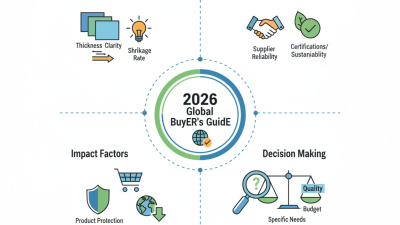
When choosing PE shrink film, several critical factors come into play. Thickness is a key consideration affecting strength and clarity. Films typically range from 30 to 150 microns. Thicker films provide better durability but may be less flexible. Also, clarity plays a role in presentation, especially for retail packaging. Poor clarity can detract from product appearance. According to a report by Smithers Pira, demand for high-quality shrink films has increased by 3.5% annually.

Another consideration is temperature resistance. The ideal shrink temperature varies between 100°C and 190°C. Films that fall outside this range may not shrink effectively, leading to product damage. Specifically, films that shrink too much can result in an unattractive, crumpled appearance. Such issues highlight the importance of selecting products that fit operational parameters.

Tips: Always check for certifications like FDA or USDA compliance to ensure safety. It's wise to do a test run with a sample before committing to bulk orders. Monitor environmental factors, as humidity can affect film performance. Regularly review supplier performance and material quality, as not all films are created equal. This attention to detail can prevent costly setbacks and enhance product presentation.

Top 10 Best PE Shrink Film Options Reviewed

When selecting the right PE shrink film for packaging, it’s essential to consider several factors. Quality is an important aspect that impacts durability. A thicker film generally offers better tear resistance and insulation. Various types are available, catering to different products and environments. The choice of film will influence the visual appeal as well. A clear film can enhance product visibility, while a colored option may be more suitable for branding.

Another aspect to ponder is the shrink temperature. Each option has its own temperature requirements, affecting the packaging process. Overheating can lead to defects, such as holes or uneven seals. Proper processing guarantees a snug fit around products, maintaining freshness and protection. Additionally, some films can be more eco-friendly than others. Always consider the environmental impact of your choice.

Choosing the right PE shrink film may take a few attempts to perfect. Users often report trial and error in finding the ideal thickness and shrink ratio. It’s beneficial to test different options with your products. This experimentation allows for learning and ultimately leads to better decision-making in future purchases.

Top 10 Best PE Shrink Film Options for Your Packaging Needs

How to Properly Use and Apply PE Shrink Film

When using PE shrink film, proper application is crucial. Begin by preparing your items and ensuring they are clean and dry. Any dust or moisture can hinder the shrink process. Cut the film to the appropriate size, allowing for enough overlap and room for shrinkage. Align the film neatly around your product. Be mindful that uneven placement can lead to inconsistent shrinkage.

Use a heat source, like a heat gun or a shrink tunnel, for an even shrink. Adjust the temperature to avoid damaging the film or the product inside. Keep the heat source moving to prevent hotspots. It’s normal to encounter some challenges during this process. For instance, applying too much heat can create bubbles, while not enough can result in loose wrapping.

After applying the film, inspect the finish. Take note of any areas that may need improvement. Proper techniques take practice. Learning from mistakes enhances your skills over time. Remember, successful packaging increases product visibility and protection. Each experience with PE shrink film contributes to your overall expertise.

Top 10 Best Pe Shrink Film Options for Your Packaging Needs

Film Type Thickness (microns) Width (inches) Shrink Temperature (°F) Applications Compatible Products
Standard PE 50 12 350 Food Packaging Bottles, Cans
Heavy-Duty PE 75 15 350 Industrial Packaging Boxes, Pallets
Mini PE 40 10 340 Retail Products Gifts, Games
Clear PE 60 14 360 Gift Wrapping Books, Electronics
Colored PE 50 8 320 Special Events Party Supplies
Biodegradable PE 60 16 330 Eco-Friendly Packaging Organic Products
Printed PE 60 14 340 Brand Promotion Bottles, Candies
Shrink Bundling PE 80 20 340 Multi-Package Bundling Cans, Jars
Anti-Static PE 70 12 350 Electronics Packaging Circuit Boards
Heat Shrink PE 60 18 360 Heavy Items Tools, Equipment

Environmental Considerations for PE Shrink Film Usage

Environmental considerations are becoming increasingly vital in the packaging industry. Polyethylene (PE) shrink film is widely used, but its environmental impact must be evaluated. Reports indicate that over 300 million tons of plastic are produced each year, and a significant portion contributes to pollution. PE materials can take hundreds of years to decompose. This raises concerns about sustainable practices in packaging.

One solution is the use of recyclable PE shrink films. These films can be repurposed, reducing waste. According to a recent study, more than 60% of consumers prefer products with eco-friendly packaging. This demand encourages manufacturers to explore sustainable options. Moreover, companies can enhance their brand image by prioritizing sustainability in their packaging choices.

Tips: Choose PE shrink films that are labeled as recyclable. Check local guidelines for proper disposal and recycling. Additionally, assess the thickness and quality of the film to reduce waste during production. Reflecting on your packaging choices can lead to better environmental practices and waste reduction. Consider how packaging influences consumer behavior and the overall environmental footprint.