Top 10 Uses of Polyethylene Wrap Plastic Film in China?
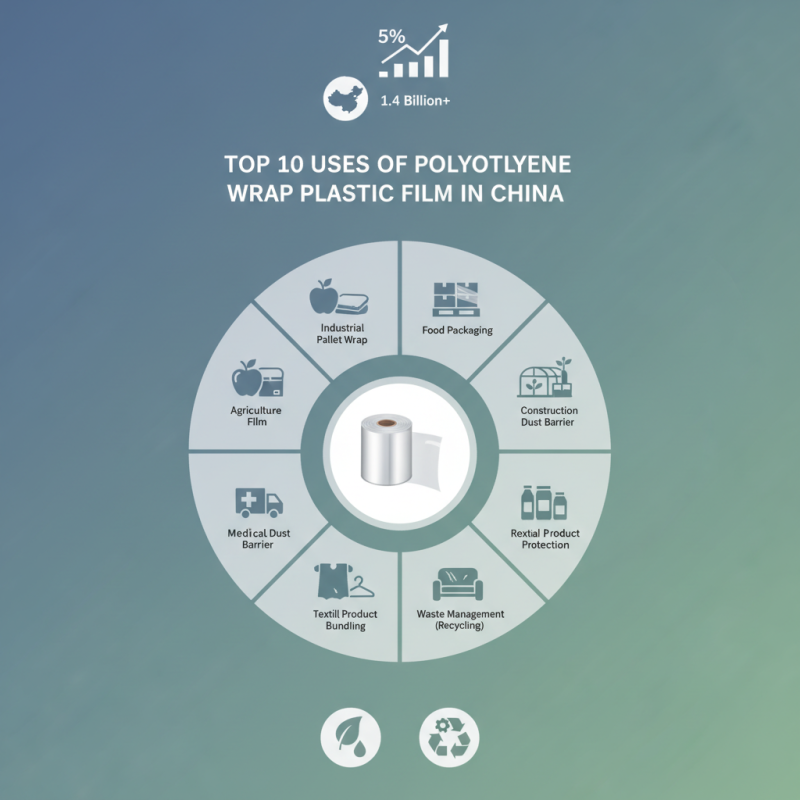
Polyethylene Wrap Plastic Film is revolutionizing the packaging industry in China. According to a recent market analysis by Statista, the demand for this versatile film is projected to grow by an annual rate of 5% over the next five years. This growth stems from its indispensable role in food preservation and product protection, crucial in a country with a population exceeding 1.4 billion.
Dr. Li Wei, an expert in polymer materials, emphasizes the importance of this film: “Polyethylene Wrap is not just a protective layer; it is essential for maintaining freshness and quality.” This reflects the film’s diverse applications, ranging from food packaging to industrial uses. The adaptability of Polyethylene Wrap Plastic Film allows businesses to ensure product integrity while reducing waste.
However, the rise in usage also poses challenges. Over-reliance on single-use plastic can lead to environmental concerns. As industries capitalize on this material's benefits, critical reflection on sustainable practices is necessary. The ongoing dialogue about recycling and efficient waste management is essential for the future of Polyethylene Wrap Plastic Film in China. The balance between innovation and responsibility is a pressing question in today's market.
Applications of Polyethylene Wrap in Food Packaging and Preservation
Polyethylene wrap plastic film plays a vital role in food packaging and preservation in China. Its flexibility and durability make it an ideal choice for protecting perishable items. The film acts as a barrier against moisture and air, which helps maintain the freshness of fruits and vegetables. For instance, wrapping fresh produce can help retain nutrients and extend shelf life, reducing food waste.
In addition to fruits and vegetables, polyethylene wrap is commonly used in storing meat and dairy products. By sealing these items tightly, the film prevents bacterial growth and odor transfer. However, it's important to note that improper use, such as storing hot food directly in the wrap, can lead to safety concerns. Over time, the effectiveness of the wrap can diminish, especially if exposed to excessive heat. This highlights the need for proper storage practices.
Customers often overlook the impact of environmental factors on food preservation. Temperature fluctuations can compromise the integrity of the wrap, making it less effective. As the demand for convenience grows, understanding the limitations of polyethylene wrap is essential. It’s crucial to balance convenience with food safety and sustainability when using this versatile packaging option.
Top 10 Uses of Polyethylene Wrap Plastic Film in China
Usage of Polyethylene Film in Industrial Packaging Solutions
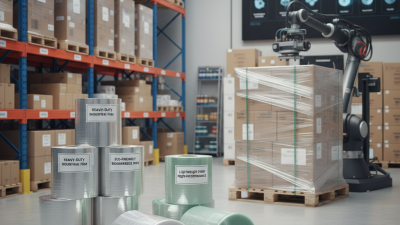
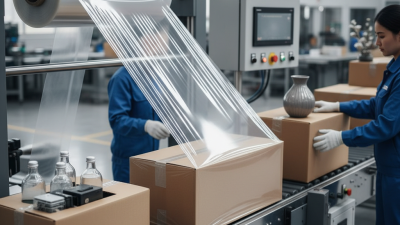
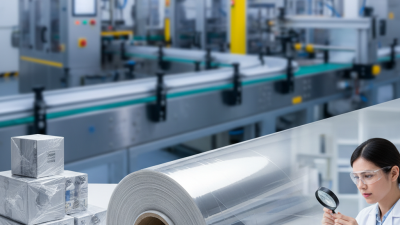
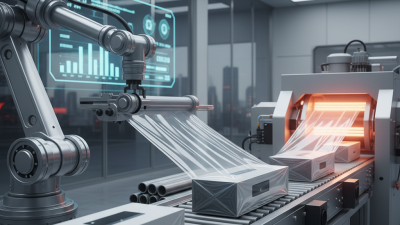
Polyethylene wrap film has become a staple in industrial packaging solutions across China. Its lightweight nature and flexibility make it ideal for various applications. Many industries rely on this versatile material to protect products during shipping and storage. The film is often used to wrap pallets, bundling goods together for secure transport. This approach reduces the risk of damage and contamination, ensuring that items arrive in optimal condition.
In addition, polyethylene film is commonly applied for moisture and dust protection. Products such as electronics and food items benefit greatly from this barrier. The film can be easily manipulated to create tight seals, keeping out environmental hazards. However, the challenge remains in finding eco-friendly disposal methods. The widespread use of this plastic raises concerns about environmental impact. Industries are now reflecting on sustainable alternatives to reduce their carbon footprint.
Moreover, the effectiveness of polyethylene film largely depends on its thickness and clarity. Thicker films typically provide better protection but may be less flexible. Companies must carefully evaluate their needs to choose the right type. Finding a balance between strength and application is crucial. As the demand for packaging solutions grows, ongoing innovation in material science is essential to address these challenges.
Top 10 Uses of Polyethylene Wrap Plastic Film in China
| Use |
Description |
Industry |
| Food Packaging |
Used to seal and protect food items, extending their shelf life. |
Food & Beverage |
| Product Bundling |
Wraps multiple items together for shipping and storage. |
Logistics |
| Surface Protection |
Protects surfaces from dust, moisture, and scratches. |
Construction & Manufacturing |
| Agricultural Use |
Used to wrap bales of hay and other agricultural products. |
Agriculture |
| Retail Packaging |
Used for retail items, enhancing aesthetic appeal and protection. |
Retail |
| Electronics Packaging |
Protects electronic products from dust and static during transport. |
Electronics |
| Automotive Parts Packaging |
Used to wrap spare parts and components to prevent corrosion. |
Automotive |
| Pharmaceutical Packaging |
Ensures that medicinal products are sealed and tamper-proof. |
Pharmaceuticals |
| Household Wrapping |
Used for wrapping items for storage and organization at home. |
Household |
| Promotional Packaging |
Enhances promotional products, improving visibility and protection. |
Marketing |
Role of Polyethylene Wrap in Agriculture and Crop Protection
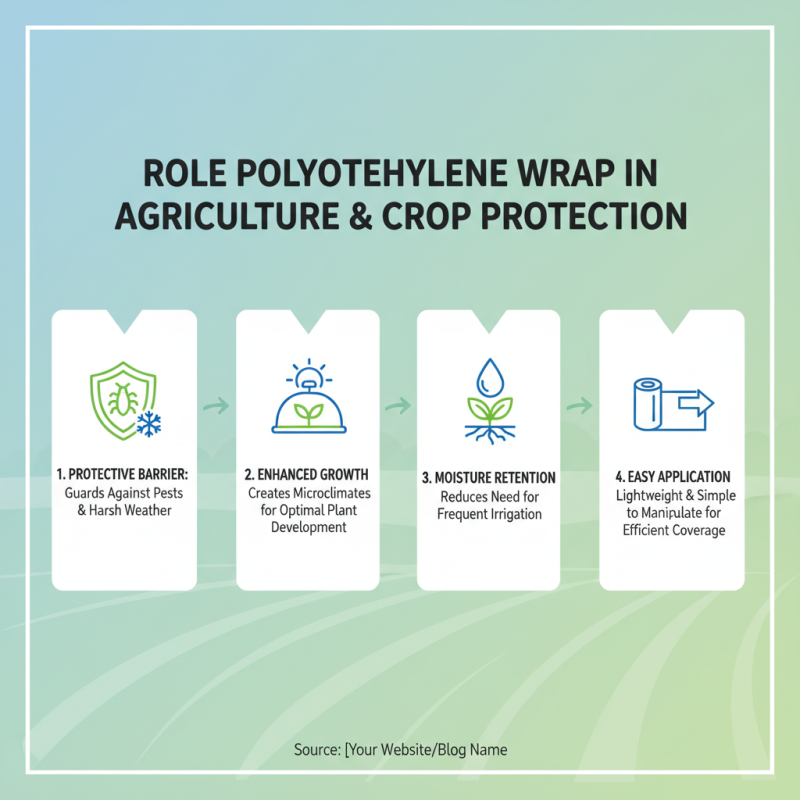
Polyethylene wrap plastic film plays a crucial role in agriculture, especially in crop protection. It provides a protective barrier against pests and harsh weather conditions. By using this film, farmers can create microclimates that enhance plant growth. It retains moisture, reducing the need for frequent irrigation. This type of wrap is lightweight and easy to manipulate, enabling efficient coverage.
Farmers can also use polyethylene film for soil protection. It prevents weeds from thriving, reducing competition for nutrients. However, concerns arise over the environmental impact of plastic waste. Not all farmers dispose of the wrap properly, leading to pollution. Alternatives are being explored, but they may not offer the same effectiveness. The challenge lies in balancing utility and sustainability in agricultural practices.
In dominated regions, polyethylene wrap is essential for crop yield. Farmers notice improved results when using this film. Yet, reliance on plastic can hinder innovation in eco-friendly farming methods. As technology evolves, farmers must adapt, considering new materials that minimize environmental harm. It’s essential to evaluate both the benefits and drawbacks of polyethylene wrap in agricultural settings.
Utilization of Polyethylene Film in Construction and Building Activities
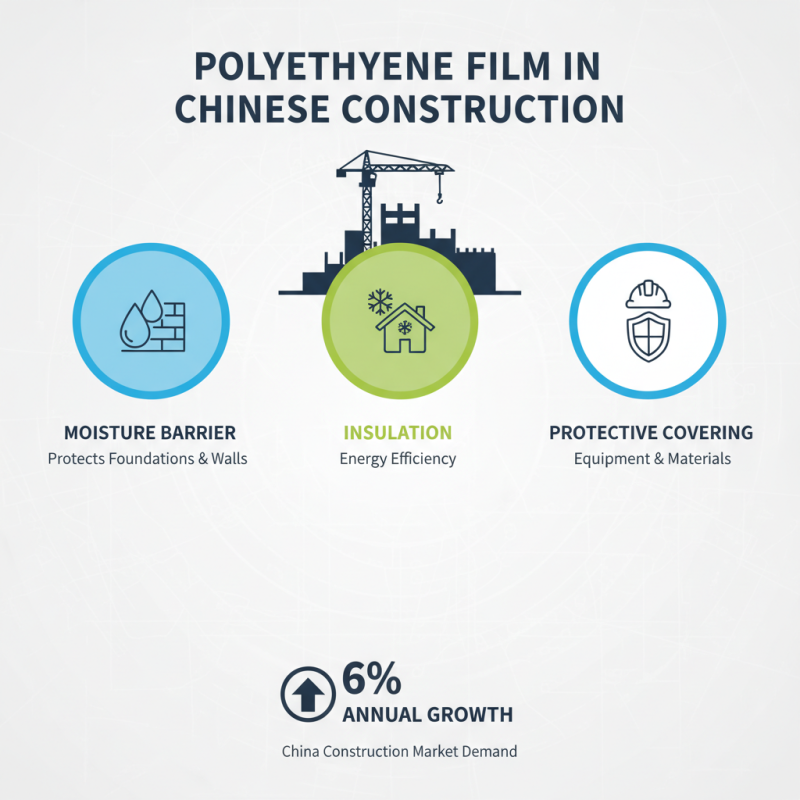
Polyethylene film plays a crucial role in construction and building activities across China. This versatile material is widely used for moisture barriers, insulation, and protective coverings. According to a recent industry report, the demand for polyethylene film in construction is projected to grow by 6% annually.
In construction, the primary use of polyethylene wrap is to protect materials and structures. Builders often cover wood and other materials to prevent moisture damage. This practice helps to reduce rot and mold, contributing to the longevity of structures. Data shows that proper moisture management using polyethylene can enhance a building’s lifespan by up to 30%.
However, challenges remain. Not all projects effectively utilize polyethylene film, leading to waste and inefficiencies. Some contractors overlook proper installation techniques, reducing the material's effectiveness. Industry surveys reveal that 25% of construction projects report issues related to polyethylene film application. As the industry evolves, better training and technology integration are essential for maximizing the benefits of this material.
Innovative Uses of Polyethylene Wrap in Crafts and DIY Projects
Polyethylene wrap, often viewed as a basic tool for food storage, has gained popularity in crafts and DIY projects. This versatile film can be used in unexpected ways. For example, artists can create textured surfaces by crumpling the wrap. Simply lay it over paint on canvas and press. The result? Unique designs emerge, captivating the eye.
In home décor, polyethylene wrap can serve as a fantastic medium for faux finishes. Mixed with paint, it can help achieve distinctive patterns on walls or furniture. Dabbing the wrapped paint onto surfaces allows for creative experimentation. This technique can be messy, and outcomes may vary, but that’s part of the journey. Mistakes often lead to remarkable results.
One innovative method involves using this wrap in floral arrangements. By wrapping stems with a thin layer, you can create a makeshift water source. This keeps flowers fresh for extended periods. However, it requires careful handling. Too much pressure can damage delicate blooms. Learning to balance flexibility with caution is key here. Embracing imperfections can lead to surprising beauty in your DIY endeavors.