How to Choose the Right Pallet Stretch Wrap Film for Your Needs?
Choosing the right Pallet Stretch Wrap Film is crucial for effective product protection and storage. John Smith, a leading expert in packaging solutions, noted, "The right wrap can save businesses money and prevent product damage." Selecting the suitable film isn't as straightforward as it seems. Factors like gauge, stretchability, and adhesion play significant roles.
Understanding your specific needs is vital. A warehouse shipping heavy machinery requires different film properties than one focusing on lightweight consumer goods. Many overlook the importance of film quality, leading to potential inefficiencies. For instance, using a thinner gauge film may save money but could result in product loss during transport.
Reflection is necessary. Are you prioritizing cost over quality? Could choosing the wrong film type compromise your product's integrity? The decision you make regarding Pallet Stretch Wrap Film can have lasting impacts on your operations. Balancing cost, functionality, and durability requires careful consideration and expertise.
Understanding Different Types of Pallet Stretch Wrap Film Available
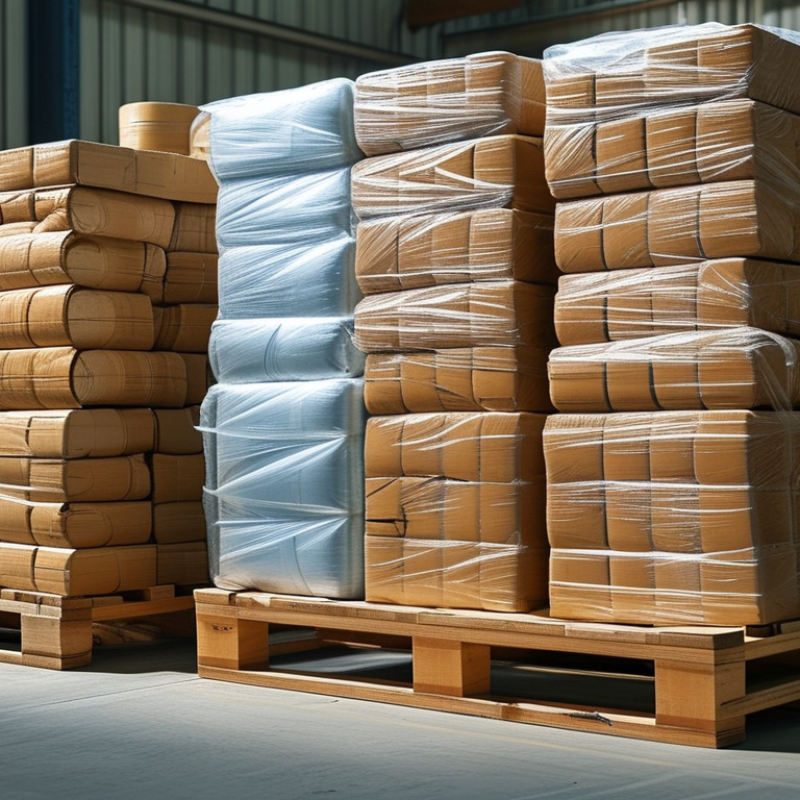
Choosing the right pallet stretch wrap film is crucial for effective packaging and shipment. There are various types available, each designed for specific needs.
Hand stretch film is popular for manual operations. It provides ease of use and flexibility.
Machine stretch film, on the other hand, is ideal for high-volume automation. It allows for faster wrapping speeds, improving efficiency in warehouses.
Another type is pre-stretched film, which offers reduced thickness while maintaining strength. This can lead to savings on material costs.
Recycled stretch film is also gaining popularity for those seeking eco-friendly options. It combines functionality with sustainability, appealing to environmentally conscious businesses.
However, users should be cautious. Sourcing these films can sometimes lead to quality inconsistencies.
When selecting a film, consider the load type and transportation conditions. For fragile items, more cushioning may be required. For heavier loads, thicker films are essential.
While there's plenty of information available, choosing the most suitable option still requires critical thought.
Mistakes can be costly, both financially and operationally. So, take your time to evaluate the options thoroughly.
Evaluating the Thickness and Strength of Stretch Wrap for Your Needs
Choosing the right pallet stretch wrap involves understanding film thickness and strength. The strength of the wrap is critical for securing loads during transport. Studies indicate that thicker films, typically ranging from 80 to 120 gauges, provide better puncture resistance and load stability. This is crucial when dealing with heavy or oddly shaped items.
Thin films, on the other hand, can offer cost savings but at the risk of load failure. For example, a 60-gauge film may save money upfront but could result in product damage during transport. According to industry data, 30% of shipments experience some form of damage due to inadequate packaging. This highlights the importance of selecting a stretch film that meets the specific demands of your load and transportation method.
Consider the environmental conditions too. A film that performs well in dry conditions may not be suitable for humid environments, where adhesives can break down. Evaluating your specific needs is vital. Ignoring these factors can lead to costly mistakes and disruptions. Therefore, investing time in assessing the right thickness and strength of stretch wrap ensures you protect your products effectively.
Considering the Stretchability and Recovery of Film for Optimal Use
Choosing the right pallet stretch wrap film is crucial for ensuring the integrity of your shipments.
Stretchability and recovery of the film significantly influence its performance.
According to industry research, films with higher stretchability tend to provide better load stability.
It is recommended to choose films that can stretch up to 300% to maximize savings and efficiency.
Maintaining the right balance between stretchability and recovery is essential.
Recovery refers to the film's ability to return to its original shape after being stretched.
A film with good recovery ensures that packages remain tightly wrapped, reducing the risk of damage during transit.
Statistically, loads that are tightly wrapped can reduce product damage by up to 30%.
Films with insufficient recovery may lead to loose loads, which can be hazardous.
Tips: Always conduct a test wrap when unsure.
Adjust the wrap tension for optimal results.
Consider environmental factors, such as temperature, which can impact film performance.
Regularly review your film specifications.
Reflect on how pallet sizes might require different film types for effective wrapping.
This practice not only enhances safety but can reduce material costs.
Examining Performance Features: Adhesion, Clarity, and UV Resistance
When selecting the right pallet stretch wrap film, it's crucial to examine performance features such as
adhesion, clarity, and UV resistance.
Adhesion is vital
for preventing the film from slipping during transit. A strong adhesive ensures that the wrap clings tightly
to the pallet and prevents load shifting. Check the film's ability to adhere in varying temperatures and
humidity levels. You may find that some wraps perform well in ideal conditions but fail in extreme environments.
Clarity of the film also plays a significant role. Transparent wraps allow for easy visibility of the contents.
This is important for inventory management and theft reduction.
However, this feature may come with trade-offs, such as decreased tensile strength. Finding the right balance
between clarity and robustness requires careful consideration.
Finally, UV resistance is essential for goods stored outdoors or in
bright environments. UV rays can degrade some films, leading to weakness over time. Consider the duration of exposure
to sunlight when choosing your film. Many options offer varying levels of UV protection, and finding the right
one can greatly impact the longevity of your load. Reflect on these features and how they align with your specific needs.
Determining the Right Size and Roll Length for Efficient Application
Choosing the right size and roll length of pallet stretch wrap film is crucial for efficient application. Consider the dimensions of your pallets. A standard pallet is 48 inches by 40 inches. If your pallet is larger, you may need a wider film. A film that’s too narrow can lead to insufficient coverage and instability during transport.
Roll length is another significant factor. Longer rolls allow for extended usage without frequent changeovers. This can save time during busy operations. However, if the roll is too heavy, it can be cumbersome to manage. A balance is essential. If a roll seems unwieldy, you might reflect on whether a shorter length could offer better control.
Also, think about the thickness of the film. Thicker films are more durable but may be harder to work with. In contrast, thinner films can be easier to apply but may not provide the same level of protection. Assess your specific requirements to find a suitable option. Remember, trial and error can lead to better decisions.