inquiry
Leave Your Message

What Is Polyethylene Wrap Plastic Film Used For?

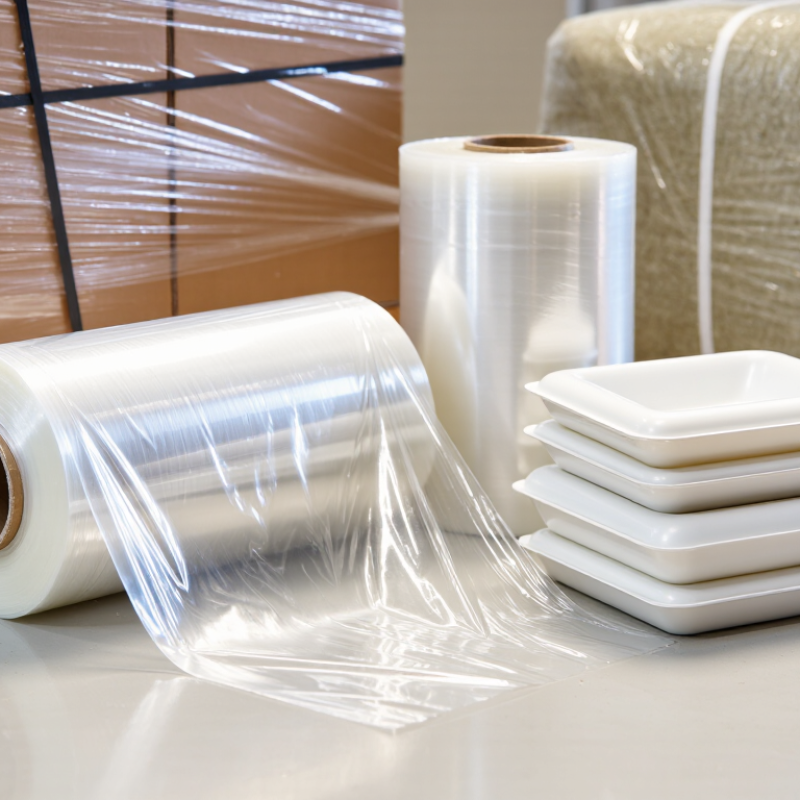
Polyethylene Wrap Plastic Film is a thin, flexible material used to protect, bundle, seal, and stabilize products. It commonly appears as cling film around food trays, stretch film around pallets, and shrink film around retail packaging. Manufacturers select polyethylene because it offers moisture resistance, light weight, sealability, and useful puncture strength. Different grades serve different tasks. Low-density polyethylene provides flexibility, while linear low-density polyethylene often improves stretch and load retention.

The scale of packaging explains its importance. PlasticsEurope’s Plastics—The Fast Facts 2023 reported that packaging represented 39.6% of plastics demand in Europe during 2022. The OECD Global Plastics Outlook also found that packaging created about 40% of global plastic waste in 2019. These figures describe plastics broadly, not polyethylene wrap alone. That distinction matters.

In warehouses, workers pull stretch film around cartons until the load feels tight and stable. In kitchens, thinner film covers bowls and slows moisture loss. In agriculture, specialized polyethylene films can cover silage or protect growing environments. However, performance depends on thickness, temperature, additives, and handling conditions. A film that works well on a warehouse pallet may fail around sharp frozen products.

Some claims need caution. “Recyclable” does not always mean easily recycled in local systems. Collection access, contamination, and film thickness affect the outcome. Industry guidance from the Association of Plastic Recyclers emphasizes design and collection compatibility. Therefore, understanding Polyethylene Wrap Plastic Film requires more than listing its uses. It requires examining practical performance, end-of-life options, and the limits behind sustainability claims.

What Is Polyethylene Wrap Plastic Film Used For?

What Polyethylene Wrap Plastic Film Is

Polyethylene wrap plastic film is a thin, flexible sheet made from polyethylene polymer. It begins as small resin pellets, which are melted and formed into a continuous film. Manufacturers adjust the formulation for softness, strength, clarity, or stretch.

Low-density polyethylene often feels soft and pliable. Linear low-density polyethylene usually provides better puncture resistance and controlled stretching. These differences matter during real use. A cling film may seal a bowl with gentle pressure, while stretch film can hold cartons tightly on a pallet. The material does not automatically adhere like glue. Its surface tension and flexibility create the grip.

Polyethylene film helps protect food, furniture, metal parts, and packaged goods from dust and moisture. In a warehouse, I have seen properly stretched film reduce shifting around sharp-edged boxes. It can also cover surfaces during painting or renovation work. However, thin film tears when pulled across rough corners. That limitation is easy to overlook.

Food-contact film should be labeled for that purpose and used within its stated temperature range. Not every polyethylene film belongs near food. Recycling also depends on local collection systems, cleanliness, and film thickness. Some films are technically recyclable but unavailable through household programs. That distinction needs more attention.

How Polyethylene Wrap Film Is Made and Classified

Polyethylene wrap film begins with polymer resin, heat, and controlled pressure. Manufacturers melt polyethylene pellets and push the melt through a circular die. Air then inflates the tube into a bubble. This is blown-film production. Another method spreads the melt across a flat die and chills it on a roller. This is cast film production. Blown film often offers stronger puncture resistance. Cast film usually provides clearer surfaces and quieter unwinding.

The film is classified mainly by polyethylene structure and density. Low-density polyethylene, or LDPE, is flexible and seals easily. Linear low-density polyethylene, or LLDPE, improves stretch, tear resistance, and load holding. High-density polyethylene, or HDPE, is stiffer and more resistant to moisture. Thickness also matters. A thin food-contact sheet needs different performance from pallet stretch wrap. Testing should check tensile strength, elongation, puncture resistance, seal strength, and haze.

The figures show why classification matters. PlasticsEurope reported global plastics production of 413.8 million tonnes in 2023. The OECD’s Global Plastics Outlook identifies packaging as the largest plastics-use sector, representing about 40% of global demand in 2019. Polyethylene film appears in food wrapping, protective covers, agricultural sheets, transport bundling, and industrial liners. Additives can improve slip, cling, UV resistance, or processing speed. Yet more additives do not automatically create better film. In practical production, a thinner gauge may reduce material use, but it can also increase failure risk. That trade-off deserves closer testing.

Where Polyethylene Wrap Film Is Commonly Used

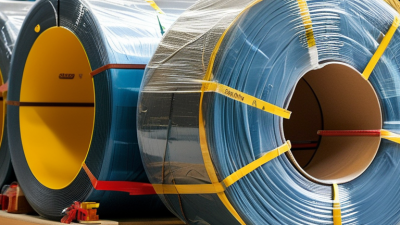
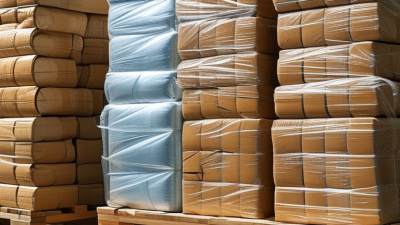
Polyethylene wrap film is used wherever products need clean, flexible protection. In warehouses, workers wrap pallets to reduce shifting, dust, and moisture exposure during transport. Stretch film also holds cartons together without adding much weight. This matters in busy loading areas.

Retailers use thinner polyethylene film for food covers, produce bags, and temporary product protection. Manufacturers place it between metal parts, furniture panels, and finished surfaces to reduce scratches. Farmers use agricultural film for silage, greenhouse covers, and soil protection. Construction crews may cover floors, windows, and stored materials during interior work. E-commerce also relies on film for bundling irregular items and protecting parcels from rain.

The need is significant. The OECD’s 2022 Global Plastics Outlook reports that packaging creates about 40% of global plastic waste. That figure should make users question unnecessary wrapping. More film does not always mean better protection. Film strength, puncture resistance, thickness, and wrapping tension must match the load. A weak film may tear. An oversized film may create waste.

Tips: Choose the lightest film that passes handling tests. Check the load after vibration and corner-impact trials. Keep film away from heat and sharp edges. Store rolls in a dry, shaded area. Recycling access varies widely, so confirm local collection requirements before selecting a film type.

What Is Polyethylene Wrap Plastic Film Used For? — Where Polyethylene Wrap Film Is Commonly Used
Common Application Typical Film Form What It Is Used For Typical Thickness Range Key Performance Requirements Why Polyethylene Is Suitable Important Handling or Recycling Consideration
Pallet and Load Stabilization Stretch wrap film Securing cartons, boxes, bags, and other products on pallets during storage and transportation. Approximately 12–30 micrometres Stretchability, puncture resistance, cling, load retention, and tear resistance. Polyethylene can stretch around irregular loads and helps protect products from dust and moisture. Used film should be kept clean and dry; many recycling systems accept polyethylene film separately from rigid plastics.
Food and Produce Packaging Cling film, overwrap, bags, and lidding film Wrapping fresh produce, meat, baked goods, frozen foods, and prepared food portions. Approximately 8–50 micrometres, depending on the structure and product Food-contact compliance, sealability, transparency, moisture control, and puncture resistance. Polyethylene films can provide moisture barriers and can be produced in flexible, transparent, heat-sealable formats. Only grades designed and approved for the intended food-contact use should be used; local recycling rules vary.
Shrink Packaging Shrink film and shrink bags Bundling products, wrapping retail multipacks, and forming a close-fitting protective layer around goods. Approximately 25–100 micrometres Controlled shrink behavior, sealing performance, clarity, strength, and resistance to handling damage. Polyethylene shrink films can contract when heated and provide economical secondary packaging. Heat-shrink equipment must be operated according to the film specification and workplace safety requirements.
Agricultural Protection Greenhouse film, mulch film, silage film, and bale wrap Covering crops, suppressing weeds, protecting forage, and wrapping silage bales. Approximately 20–200 micrometres Weather resistance, flexibility, light transmission or blocking, puncture resistance, and resistance to moisture. Polyethylene is lightweight, flexible, and suitable for producing large continuous sheets for outdoor applications. Film contaminated with soil or organic matter may require specialized agricultural film collection rather than ordinary recycling.
Construction and Building Protection Polyethylene sheeting and protective film Temporary dust barriers, floor and surface protection, vapor control layers, concrete curing covers, and material wrapping. Approximately 50–250 micrometres Tear resistance, moisture resistance, flexibility, coverage size, and ease of installation. Polyethylene sheeting is water-resistant, lightweight, and available in a wide range of gauges and widths. Performance depends on thickness, installation, exposure conditions, and whether the sheet is intended as a vapor-control product.
Industrial and Warehouse Packaging Heavy-duty film, tubing, bags, and machine stretch wrap Covering machinery, bundling components, lining containers, and protecting products from dust and light moisture. Approximately 50–250 micrometres High tensile strength, puncture resistance, weldability, flexibility, and reliable sealing. Polyethylene can be manufactured as low-density, linear low-density, or high-density film structures to match different strength and flexibility needs. Sharp edges may require additional protection or a heavier-gauge film to prevent punctures.
Medical and Hygiene Packaging Cleanroom bags, protective overwrap, and component packaging film Protecting medical components, hygiene products, and non-sterile items from dust and handling contamination. Approximately 30–150 micrometres Cleanliness, seal integrity, controlled material properties, clarity, and compatibility with the required packaging process. Polyethylene film can be heat-sealed and manufactured with consistent thickness and low moisture permeability. Medical packaging requires application-specific material selection, validated processes, and appropriate cleanliness controls.
Waste and Liner Bags Trash bags, drum liners, and container liners Containing household, commercial, industrial, and non-hazardous waste or lining bins and containers. Approximately 20–150 micrometres Load capacity, puncture resistance, seal strength, flexibility, and resistance to leakage. Polyethylene is moisture-resistant and can be formulated for either flexible handling or increased toughness. Hazardous or regulated waste requires packaging that complies with applicable local safety and disposal requirements.
Electrical and Product Protection Protective film, bags, and temporary surface film Covering finished surfaces, cables, metal parts, furniture, and components during manufacturing, storage, or shipment. Approximately 25–100 micrometres Low surface damage, adequate adhesion or slip, tear resistance, clarity, and clean removal. Polyethylene films can be engineered for flexibility and temporary protection without adding significant weight. Adhesive or cling performance should be tested on the specific surface to avoid residue, staining, or difficult removal.
Frozen and Moisture-Sensitive Products Freezer bags, overwrap, and protective inner liners Wrapping frozen food, ice products, moisture-sensitive materials, and products requiring separation from condensation. Approximately 25–100 micrometres Low-temperature flexibility, moisture resistance, sealability, and resistance to cracking or puncture. Selected polyethylene grades remain flexible at low temperatures and provide an effective moisture barrier. Film thickness and formulation should be matched to storage temperature, handling conditions, and the intended product-contact use.

How to Choose the Right Polyethylene Wrap Film

Polyethylene wrap film protects products from dust, moisture, scuffing, and shifting during storage or transport. Choosing the right film requires more than checking thickness. The package shape, load weight, temperature, and wrapping method all matter. A light film may suit small cartons and short storage periods. Heavier or irregular loads usually need stronger puncture resistance.

Start by matching the film to your equipment. Hand wrapping often benefits from a flexible film with reliable stretch and comfortable handling. Machine wrapping may require consistent thickness and stable performance at higher speeds. For sharp edges, test puncture resistance before ordering large quantities. Clear film helps workers inspect labels and damage without opening the package. Opaque film can provide privacy and reduce light exposure. It is less convenient for visual checks.

Do not assume thicker film is always better. It can increase material use without improving load stability. A practical trial works best: wrap one typical pallet, move it across the floor, and inspect loose corners, tears, and film breaks. Measure the amount used per load. Small details matter. Film performance can change in cold warehouses or humid conditions, so test the real environment. For food or sensitive products, select film approved for the intended contact and storage conditions. Recycling options also vary by location. A film that performs well may still need better disposal planning.

How to Choose Polyethylene Wrap Film

Film thickness is one practical starting point when selecting polyethylene wrap. Thin film is commonly used for food and household wrapping, while thicker film provides greater puncture resistance for pallet stabilization, heavy-duty loads, and agricultural silage. The values shown are typical midpoint estimates from commonly specified thickness ranges and should be confirmed against load weight, sharp edges, temperature, stretch requirements, and food-contact regulations.

Typical thickness ranges represented: food wrap 8–15 µm, pallet stretch film 12–23 µm, heavy-duty industrial film 20–30 µm, and agricultural silage film 25–30 µm.

Safe Handling, Recycling, and Environmental Considerations

Polyethylene wrap plastic film protects food, pallets, furniture, and medical supplies from moisture, dust, and abrasion. Its flexibility makes it useful for irregular shapes. Safe handling starts with a simple check: keep film away from heat, sparks, and sharp edges. Do not microwave or oven-heat it unless the packaging clearly permits that use. Thin film can also create slipping or suffocation hazards, especially around children and pets.

Keep it clean and dry.

Recycling depends on local systems, not the recycling symbol alone. The U.S. Environmental Protection Agency reported about 4.2 million tons of plastic bags, sacks, and wraps were generated in 2018, while only about 0.4 million tons were recycled. That equals roughly 9.5 percent. Collection programs often reject loose film because it tangles sorting equipment. Many retailers and specialist depots accept polyethylene film, but acceptance rules differ. Remove food residue, labels, and mixed materials when required. Never place wet or contaminated film in a collection bin.

The OECD’s Global Plastics Outlook estimated that only 9 percent of global plastic waste was recycled in 2019. This figure exposes a practical weakness: recyclable does not always mean recycled. Reuse film when it remains clean and strong. Store it in a dry container before drop-off. The United Nations Environment Programme also reports that global plastic production exceeds 430 million tonnes annually, with about two-thirds becoming short-lived products. Better material choices help, but careful purchasing and honest disposal decisions matter too. Industry guidance changes, and local instructions should override general advice.