
inquiry
Leave Your Message

2026 Best Types of Stretch Film for Packaging and Shipping

Choosing stretch film is not just a question of price or thickness. The right film must hold a load steady through wrapping, storage, and delivery. A pallet of boxed glass needs different support from a bundle of lightweight cartons. Packaging educator Walter Soroka describes packaging as a blend of “science, art, and technology.” That idea applies here: film choice depends on material properties, wrapping conditions, and the shipment itself.

This guide compares common types of Stretch Film, including hand film, machine film, pre-stretched film, blown film, and cast film. Each has trade-offs. Cast film unwinds quietly and offers clear visibility, while blown film often handles punctures and uneven loads better. Pre-stretched film can reduce the effort needed during hand wrapping, though it may not suit every load or workflow. A shiny, tight wrap can look secure and still fail if the film is mismatched to the pallet.

Details matter. A sharp carton corner may pierce thin film. A cold warehouse can change how a film behaves. Even the wrapper’s technique affects containment. Test a few film options on real loads, then check for shifting after handling. This takes time. It can also reveal problems that a specification sheet misses. The best choice is the one that protects the shipment consistently, without using more material than the job requires. No single film wins every time.

2026 Best Types of Stretch Film for Packaging and Shipping

Stretch Film Basics in 2026: LLDPE Construction and 10–30 μm Thickness

2026 Best Types of Stretch Film for Packaging and Shipping

Stretch Film Basics in 2026: LLDPE Construction and 10–30 μm Thickness

Most stretch film is made from linear low-density polyethylene (LLDPE), valued for its stretch, tear resistance, and ability to cling around pallet loads. Thickness commonly ranges from 10 to 30 μm, but gauge alone does not predict load security. A thin film may suit compact, even cartons; heavier or sharp-edged loads often need more material or a stronger film structure. PlasticsEurope’s Plastics – the Fast Facts 2024 reports 413.8 million tonnes of plastics production worldwide in 2023. That scale makes sensible material use important, though the figure covers all plastics, not stretch film specifically.

ASTM D4649-03(2021), a guide to selecting and using stretch wrap, points users toward performance needs such as load containment and film handling. In practice, check whether corners puncture the wrap, whether the pallet shifts during transit, and how consistently the film stretches. A 10 μm film can be adequate for a light, uniform load, but it is not a universal downgrade from 20 μm. Test the actual load. Small detail. Not magic. One imperfect point: stated thickness may not reflect every spot across a roll, so compare samples under the same wrapping conditions.

Tips: Wrap the base and top securely, then inspect corners for tears. Record film gauge, wraps per pallet, and load movement during a trial shipment. Change one variable at a time.

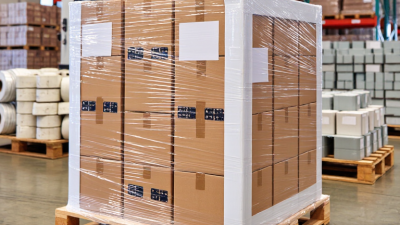
Cast vs. Blown Film: Comparing Clarity, Noise, and Puncture Resistance

Cast stretch film is formed through chilled rollers, which usually give it a smooth surface and clear appearance. Labels and barcodes remain easier to scan through the wrap. On a busy packing line, that visibility can save time. Cast film also unwinds quietly, so repeated wrapping creates less background noise. That matters. Its consistent thickness can help operators apply predictable tension, though poor wrapping technique can still leave loose corners.

Blown film is cooled with air, creating a more textured surface that may look hazier and sound louder as it unwinds. In return, it often offers better puncture resistance, useful when pallet loads have sharp edges or uneven cartons. Not always. Film gauge, resin quality, load shape, and wrapping tension all affect performance, so the production method alone is not a guarantee. A practical comparison is to wrap the same pallet with both films, then check barcode visibility, unwind noise, and damage after handling. It is easy to focus on clarity in a sample roll and overlook how a rough carton corner behaves on the warehouse floor.

Hand, Machine, and Pre-Stretched Film: Elongation Rates Up to 300%

Hand, machine, and pre-stretched films behave differently under load. Hand-applied grades commonly offer about 100–200% elongation, while many machine films are engineered for roughly 200–300%. These are practical ranges, not guarantees: gauge, resin blend, load shape, and wrapper settings all matter. ASTM D882-18(2023) provides a method for measuring tensile properties of thin plastic sheeting, but it does not prescribe one ideal stretch rate. A high number alone can mislead. Too much stretch may thin the film and weaken corners.

Tips: Match film to the wrapping method and load. For hand wrapping, check whether operators can keep tension even around sharp carton edges. On a machine, confirm the pre-stretch setting with a test load, then inspect the pallet after transport simulation. Pre-stretched film is extended during manufacture, so it generally needs less force during application; verify its holding performance against the actual load. Small, rigid cartons need different restraint from tall, shifting cases.

Keep a simple trial record: film thickness, stretch setting, wraps per load, and any loose tails or crushed corners. Compare results after movement, not just at the wrapping station. ASTM D5458 describes a test method for stretch-wrap cling, another useful property when comparing technical specifications. Real loads can be awkward. One trial may not be enough.

2026 Best Types of Stretch Film for Packaging and Shipping

Hand, Machine, and Pre-Stretched Film: Typical Elongation Ranges

Elongation varies by film formulation and product specification. These ranges are illustrative: hand film commonly stretches about 100–200%, machine film about 200–300%, and pre-stretched film about 50–100% during application. Check the film’s technical data sheet for exact performance.

Specialty Stretch Films: UV-Resistant, Vented, Colored, and VCI Options

Specialty stretch films address conditions that standard clear film may not handle well. UV-resistant film can help protect outdoor loads from sunlight during storage or transit. It does not make goods weatherproof, though. For pallets left in a sunny yard, check the film’s stated exposure period and test it under local conditions. Heat and sunlight can still weaken film over time.

Vented stretch film has small openings that let air circulate around produce, firewood, or other loads that may trap moisture. The openings must match the load: too few can limit airflow, while too many may reduce containment. Colored film can help workers identify loads or add visual privacy, but colors may fade outdoors and do not replace secure handling. VCI stretch film releases corrosion-inhibiting compounds inside suitable packaging, helping protect compatible metal parts from rust. Follow the film supplier’s handling guidance, and avoid assuming every metal or storage setup is compatible. Small details matter. In practice, a film that works well on one pallet may perform poorly on another. Test a sample load, check wrap tension and edge coverage, and inspect it after realistic storage and shipping conditions.

How to Select Film: Load Needs, ASTM D4649 Guidance, and D5458 Cling Testing

2026 Best Types of Stretch Film for Packaging and Shipping

How to Select Film: Load Needs, ASTM D4649 Guidance, and D5458 Cling Testing

Film choice should start with the pallet, not the dispenser. Check load weight, sharp edges, shifting cartons, and exposure to cold or heat. ASTM D4649 provides guidance for selecting and using stretch wrap films; it helps frame decisions around film properties and application conditions. A thicker film is not automatically safer. Poor tension can still leave a heavy load loose. Small changes matter.

Cling also needs measurement, not guesswork. ASTM D5458 describes a peel-cling test for stretch wrap, helping compare how strongly film layers adhere. Use consistent samples and record test results alongside film gauge, wrap pattern, and machine settings. PlasticsEurope’s Plastics—The Fast Facts 2024 reports 413.8 million tonnes of global plastics production in 2023. That figure is not specific to stretch film, but it makes careful material use worth examining. Downgauging may reduce plastic use, yet only if loads remain secure through handling and shipping. Not always.

Tips: Test on a representative pallet, including its sharpest corners. Check for slipping, punctures, and loose top layers after wrapping and transit. Record the result. A tidy lab test can miss a messy real load, so revisit the choice when product shapes or shipping routes change.

2026 Best Types of Stretch Film for Packaging and Shipping - How to Select Film: Load Needs, ASTM D4649 Guidance, and D5458 Cling Testing

Use this comparison as a starting point for matching stretch film to the load, wrapping method, and shipping conditions. Thickness ranges are indicative commercial ranges, not ASTM requirements; actual performance depends on resin, film design, equipment, and application.

Film type Typical thickness* Best suited load and use Key benefits Trade-offs and selection checks ASTM D4649 / D5458 considerations
Cast stretch film About 12–30 μm (0.47–1.18 mil) Regular, unitized pallet loads wrapped by hand or machine; useful where quiet unwinding and clear visibility matter. Typically offers consistent thickness, good clarity, and relatively quiet unwinding. Can be more susceptible to puncture or tear than a comparable blown film, depending on formulation and gauge. Check containment force and film damage at load corners. D4649 provides guidance for selecting and using stretch-wrap films; it is not a universal film-rating system. D5458 can be used to measure peel cling under specified test conditions.
Blown stretch film About 15–30+ μm (0.59–1.18+ mil) Irregular or sharp-edged loads, rough handling, and applications where puncture resistance is a priority. Often provides strong puncture and tear resistance and can perform well on uneven loads. May be noisier to unwind and less clear than cast film. Confirm that the film can be applied consistently at the required stretch and tension. Use D4649’s selection and use guidance to consider the complete load and wrapping application. If cling is important, compare D5458 results generated using the same test conditions.
Machine stretch film About 15–30 μm (0.59–1.18 mil) High-volume pallet wrapping with a compatible automatic or semi-automatic wrapper. Supports repeatable application and controlled pre-stretch when the film and machine are correctly matched. Performance depends on wrapper settings, load geometry, and film capability. Verify load containment after wrapping and during transport testing. Apply D4649 guidance to the film-and-load application, not just the nominal thickness. D5458 cling testing may help compare cling, but does not by itself establish load stability.
Hand stretch film About 12–20 μm (0.47–0.79 mil) Low-volume shipping, small operations, and loads wrapped manually without a powered wrapper. Simple to use and does not require wrapping machinery. Results can vary with operator technique, overlap, and applied tension. Check ergonomic needs and ensure the load is adequately contained. D4649’s general selection guidance remains relevant, but actual application varies by user. For cling comparisons using D5458, use consistent specimens and test conditions.
Pre-stretched film About 7–12 μm (0.28–0.47 mil) Manual wrapping where reduced pulling effort and more consistent application are desired. Film is stretched during manufacture, which can make application easier and reduce the effort needed during wrapping. Lower thickness does not automatically mean adequate protection for every load. Evaluate puncture resistance, containment, and handling conditions before changing gauges. Use D4649 to frame the selection around the load and use conditions. D5458 measures peel cling; it does not measure pre-stretch or prove that the wrapped load will remain stable.
Vented stretch film About 15–25 μm (0.59–0.98 mil), before accounting for perforations or openings Loads that need airflow, such as some produce or products requiring ventilation during storage or transit. Openings can improve air circulation and help reduce trapped moisture compared with a continuous film wrap. Open areas reduce coverage and can affect containment and protection from dust or moisture. Match the opening pattern and wrap design to the product and route. Consider ventilation, load restraint, and protection together when applying D4649 guidance. D5458 cling results alone do not represent the performance of a perforated wrap on a pallet.

Testing note: ASTM D4649 is a guide for selecting and using stretch-wrap films; it does not prescribe a single film type or universal pass/fail value for every shipment. ASTM D5458 is a test method for peel cling of stretch-wrap film. Cling results depend on the specified test conditions, so compare results only when the method and conditions are consistent. Confirm film choice with the supplier’s technical data and trials using the actual load, wrapper, and shipping conditions.

*Thickness note: The ranges above are approximate examples for comparison, not limits established by ASTM. Conversion: 1 mil = 25.4 μm.