Choosing the right Polyethylene Wrap Plastic Film in 2026 requires more than comparing thickness and price. Packaging teams now examine performance, product safety, machine compatibility, and environmental impact. A film that works well on a pallet may fail around fresh food or irregular cartons.
This guide introduces the leading polyethylene film types used across logistics, retail, manufacturing, and household packaging. Stretch film provides load stability during transport. Shrink film creates a tight protective layer after controlled heating. Cling film supports short-term food coverage, while polyethylene sheeting offers broader surface protection. Each type has different strength, elasticity, clarity, sealing behavior, and temperature tolerance.
Small details matter. A warehouse may need puncture resistance for sharp carton edges. A food packer may prioritize approved contact materials and clean sealing. Retail packaging often values visibility and presentation. Experienced buyers should request technical data sheets, test samples, and evidence of consistent production quality. They should also confirm whether the film suits hand wrapping, automatic equipment, or specialized sealing systems.
Sustainability remains complicated. Thinner film can reduce material use, but weak packaging may cause product loss. Recycled content can improve resource efficiency, yet supply consistency and performance require careful verification. Not every “eco-friendly” claim is equally reliable. This guide will compare practical strengths, limitations, and common applications, while recognizing that real-world results depend on film design, equipment settings, storage conditions, and operator experience. Some recommendations may need revision after testing. That is normal. Good packaging decisions are measured, observed, and improved over time.
2026 Top Polyethylene Wrap Plastic Film Types?
PE wrap film starts with density, measured in g/cm³. ASTM D1505 defines the standard density-test approach. Low-density grades, around 0.910–0.925, usually offer softness, cling, and strong elongation. They suit stretch wrapping where the film must follow corners without tearing.
Grades near 0.926–0.940 g/cm³ balance stiffness and stretch. These materials can improve load stability while keeping film thickness controlled.
Higher-density PE, from about 0.941 to 0.970, provides greater rigidity and puncture resistance. However, it may feel less forgiving during rapid wrapping.
Density is not the whole story. Not always.
A practical film trial should record density, thickness, tensile strength, tear resistance, and elongation. ASTM D882 supports tensile testing for plastic film. The OECD’s Global Plastics Outlook estimated 353 million tonnes of plastic waste in 2019, highlighting why downgauging and efficient use matter. PlasticsEurope’s Plastics – the Fast Facts 2024 reported global plastics production of 413.8 million tonnes in 2023. Those figures give density choices wider importance: a small material change can affect transport weight and waste volume. Still, thinner film can fail if the application demands sharp-edge protection. Measure it. Real warehouse conditions, including cold temperatures and uneven pallets, deserve more attention than laboratory density alone.
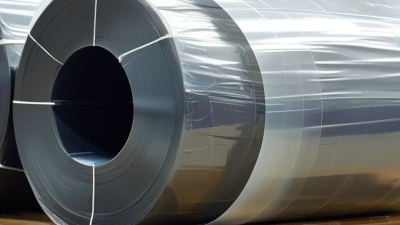
LLDPE stretch film remains a practical choice for pallets, cartons, and irregular loads. Common gauges range from 15 to 30 μm, with elongation typically reaching 120–250%. This flexibility helps operators secure mixed cartons without excessive film consumption. Thin film is not automatically better. Poor prestretch control can create tears, loose edges, and unstable loads.
A 2024 Smithers market assessment identifies downgauging and higher-performance stretch films as major industry directions. Its analysis also connects automation with more consistent tension and reduced material waste. In warehouse trials, a 17 μm film may perform well on uniform boxes, while a 23 μm film offers more tolerance around sharp corners. The actual result depends on puncture resistance, cling, core tension, and wrapping speed.
Small details matter. Film that feels soft may wrap smoothly but lose holding force during transport. A high-elongation grade can also recover unevenly after temperature changes. The Global Plastics Alliance’s 2023 packaging data review reports that transport packaging efficiency increasingly depends on material reduction without sacrificing load security. That balance is difficult. A specification sheet cannot replace testing on the real pallet, especially when recycled content, cold storage, or uneven loads are involved.
LDPE cling film remains a practical polyethylene wrap option in 2026. Its 8–20 μm gauge range supports food-contact packaging, kitchen preparation, and short-term cold storage. Thinner films feel light and flexible, while thicker grades usually resist tearing during handling. The difference is noticeable around sharp container edges.
In practical use, a reliable film should stretch evenly without splitting suddenly. It should cling to clean bowls, trays, and smooth food surfaces. Moisture control matters, especially with cut fruit, vegetables, and prepared meals. A clear surface also helps workers inspect the food without opening the package. However, clarity alone does not prove quality. Resin selection, additives, production control, and storage conditions all affect performance.
Food-contact use requires more than a suitable gauge. Manufacturers should verify migration testing, intended temperature limits, and applicable food-packaging requirements for each market. Do not assume one film suits freezing, reheating, or oily foods equally well. I have found that excessive stretching can create weak spots that are invisible at first. That detail is easy to miss. A thicker film is not always the better answer, either; it may increase material use without improving the application. Real performance depends on the food, surface, temperature, and wrapping method. Testing under actual conditions remains the most dependable choice.
HDPE wrap film is a practical choice for demanding packaging in 2026. Its typical thickness ranges from 10 to 40 μm, balancing material savings with load protection. At 10 μm, the film suits lighter bundles and inner wrapping. At 40 μm, it offers stronger puncture and tear resistance for irregular loads.
High tear resistance does not come from thickness alone. Resin density, molecular structure, cooling speed, and machine direction orientation also matter. In production, I would check tensile strength, elongation, dart impact, and tear results under ASTM D882, ASTM D1709, and ASTM D1922. A film can feel strong by hand yet fail at a sharp pallet corner. That detail is easy to miss.
The OECD reported that global plastic waste reached 353 million tonnes in 2019, with packaging representing about 40% of plastic use. PlasticsEurope reported global plastics production of 413.8 million tonnes in 2023. These figures increase pressure to reduce unnecessary film weight. Still, thinner is not always better. A poorly selected 10 μm film may require extra layers, creating more waste and handling problems. Careful trial runs remain essential. Rescue the load first.
2026 Top Polyethylene Wrap Plastic Film Types?
PE shrink film remains a practical choice for bundling cartons, pallets, and irregular products. Its typical gauge ranges from 40–150 μm, depending on load weight and handling conditions. Thinner film can reduce material use, but it may tear around sharp corners. Thicker film offers stronger puncture resistance. It can also require more heat and careful machine adjustment.
Shrinkage commonly ranges from 30–70%. The final result depends on film structure, heating temperature, shrink direction, and exposure time. A 70% shrinkage rate is not automatically better. Excessive shrinkage may distort lightweight packages or tighten unevenly. In production trials, operators should measure package width before and after heating. Small differences can reveal unstable temperature zones. A perfect setting rarely exists.
Tips: Match 40–80 μm film with lighter bundles and smoother edges. Consider 80–150 μm film for heavy loads or rough surfaces. Test several shrink levels on actual products, not empty samples. Check seals, corners, and film clarity after cooling. Record temperature, conveyor speed, and tension. That record supports repeatable adjustments, although one trial may still miss seasonal humidity changes.
| PE Shrink Film Type | Typical Polymer Structure | Gauge / Thickness | Typical Shrinkage Range | Recommended Shrink Temperature | Key Performance Characteristics | Typical Applications |
|---|---|---|---|---|---|---|
| General-Purpose LDPE Shrink Film | Low-density polyethylene with balanced flexibility and sealability | 50–120 μm | 30–60% | 120–160°C | Good clarity, flexible handling, reliable heat sealing, and moderate puncture resistance | Bundled consumer goods, multipacks, cartons, tissue products, and light industrial packaging |
| LLDPE High-Strength Shrink Film | Linear low-density polyethylene designed for higher toughness | 60–150 μm | 35–65% | 125–165°C | High puncture resistance, strong tear propagation resistance, and improved load retention | Heavy cartons, building materials, household appliances, furniture components, and industrial bundles |
| LDPE/LLDPE Coextruded Shrink Film | Multilayer polyethylene structure combining sealability and mechanical strength | 50–150 μm | 40–70% | 120–165°C | Balanced stiffness, strength, shrink performance, seal integrity, and consistent thickness control | Mixed-size multipacks, beverage cases, food-service products, retail bundles, and pallet-unit packaging |
| High-Clarity PE Shrink Film | Low-gel polyethylene formulation optimized for appearance and transparency | 40–100 μm | 30–55% | 120–155°C | Enhanced product visibility, smooth surface appearance, and clean presentation after shrinking | Retail multipacks, printed cartons, stationery, personal-care packaging, and promotional bundles |
| Heavy-Duty PE Shrink Film | Thicker LDPE/LLDPE film with elevated toughness and load-bearing capability | 100–150 μm | 30–50% | 125–165°C | High impact strength, strong puncture resistance, and greater protection against abrasion during transport | Bricks, pipes, metal parts, timber products, machinery components, and large industrial loads |
| Perforated PE Shrink Film | Micro-perforated LDPE or LLDPE film for controlled air release | 50–120 μm | 30–60% | 120–160°C | Reduced trapped air, improved package conformity, and controlled venting during the shrinking process | Products requiring air evacuation, irregular bundles, horticultural items, and selected food-packaging formats |
| Pre-Stretched PE Wrap Film | Pre-oriented LLDPE or LDPE film supplied with mechanical stretch before final wrapping | 40–80 μm | 30–50% | 120–155°C | Lower wrapping force, efficient material usage, good load containment, and reduced film memory | Light-to-medium retail bundles, logistics units, cartons, and automated wrapping operations |
| Recycled-Content PE Shrink Film | PE film containing a specified proportion of post-consumer or post-industrial recycled polyethylene | 60–150 μm | 30–60% | 125–165°C | Reduced virgin-resin demand; performance depends on recycled-content level, filtration, and formulation consistency | Secondary packaging, transport bundles, non-food industrial products, and sustainability-focused packaging programs |
| White or Opaque PE Shrink Film | Pigmented LDPE/LLDPE film designed to reduce product visibility and light transmission | 60–150 μm | 30–55% | 125–165°C | Concealment, improved light protection, scuff masking, and clear identification when printed | Confidential shipments, branded multipacks, industrial components, and light-sensitive products |
Actual shrinkage, sealing temperature, and package performance vary with resin grade, film orientation, cooling conditions, equipment settings, package geometry, and test method. The ranges shown are typical technical selection ranges for polyethylene shrink films and should be confirmed with supplier data and application trials.