Choosing reliable China Top Polyethylene Wrap Plastic Film Suppliers requires more than comparing online prices. Material consistency, production experience, and communication quality can affect every shipment. A clear evaluation process helps buyers reduce avoidable risks.
This guide introduces practical points for assessing Polyethylene Wrap Plastic Film suppliers in China. It considers film thickness, tensile strength, cling performance, transparency, roll dimensions, and packaging protection. Factory experience matters because small production differences can create uneven wrapping, weak edges, or frequent film breaks. Buyers should request technical datasheets, recent samples, and batch-based inspection records. They should also confirm whether the supplier manages production directly or relies heavily on subcontractors.
Details matter.
A dependable supplier should explain resin selection, additive use, quality controls, and storage conditions. Relevant certifications may support credibility, but certificates should be checked for validity and scope. Product testing should match the intended application, including food packaging, logistics, retail wrapping, or industrial protection. Local and destination-market requirements must also be reviewed before purchasing.
Price remains important, but it rarely tells the whole story. A cheaper roll may contain less material or perform poorly during machine operation. Still, no supplier is perfect, and polished product pages can hide ordinary production problems. Buyers should compare samples under realistic conditions, not only inspect photographs. Lead times, minimum order quantities, replacement policies, and export experience deserve equal attention. This overview offers a balanced starting point for identifying capable Chinese suppliers and asking better questions before signing a purchase agreement.
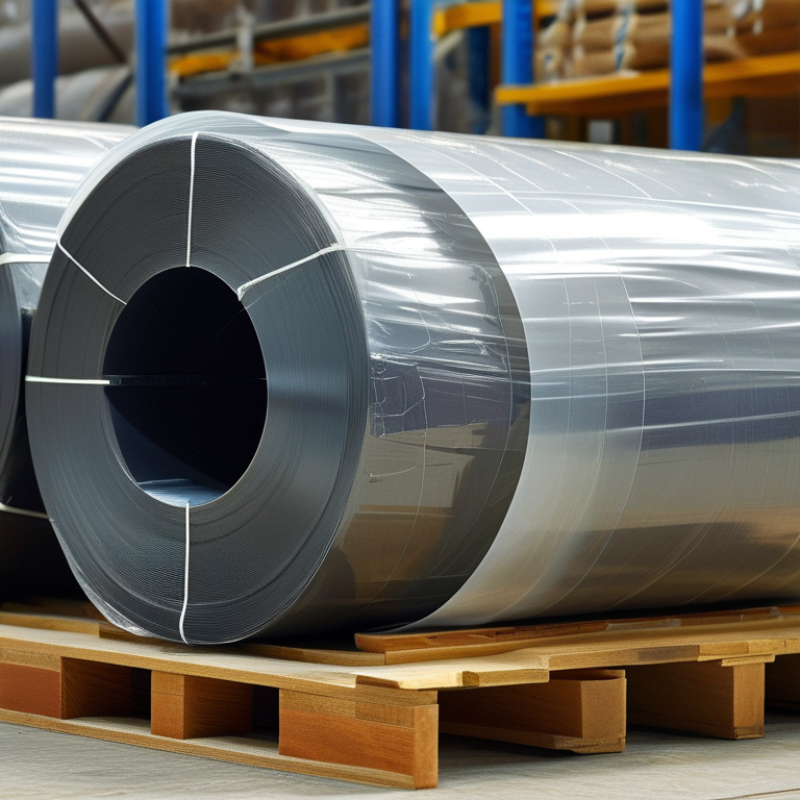
Polyethylene wrap plastic film is a thin, flexible sheet made from polyethylene resin. It stretches around cartons, pallets, food containers, and household items. Its main job is containment and surface protection. The film can resist moisture, dust, and light abrasion during handling. Different grades offer different strength, cling, transparency, and puncture resistance. A thicker film is not always better. Material efficiency matters too.
In practical sourcing, buyers should check film thickness, roll length, tensile strength, elongation, and sealing behavior. These details affect wrapping speed and package stability. For food-contact use, request clear technical documents and applicable compliance evidence. Reliable suppliers should provide batch information, test results, storage guidance, and samples before large orders. I have found that sample testing often reveals problems hidden by attractive specifications. A film may look clear but tear around sharp carton corners. That is easy to miss.
Tips: Compare samples under real warehouse conditions. Test cold and warm temperatures. Check whether the film clings evenly without excessive force. Keep rolls dry, clean, and away from direct sunlight. Ask suppliers in China about production controls, inspection frequency, and packaging protection. Do not judge quality by price alone. This approach is slower, but it reduces waste and unexpected repacking work.

Polyethylene wrap plastic film is a flexible packaging material made mainly from LDPE or LLDPE resin. The chart compares common industry thickness ranges by application; actual specifications vary according to product design, load requirements, and applicable standards.
How to read the chart: Thicker polyethylene films generally provide greater puncture resistance and load protection, while thinner films are commonly selected for lightweight wrapping and food-contact applications.
Chinese polyethylene wrap film suppliers produce several practical film types for packaging, agriculture, food storage, and industrial protection. Stretch film is widely used around cartons and pallets. Hand-grade rolls suit small warehouses, while machine-grade film supports faster, more consistent wrapping. Cling film uses softer polyethylene and adheres to containers without extra adhesive. Shrink film contracts under controlled heat, forming a close cover around products. It needs suitable equipment and careful temperature control.
Agricultural polyethylene films include greenhouse film, mulch film, and silage wrap. Greenhouse grades may contain UV stabilizers, while mulch films help reduce moisture loss and weed growth. Silage wrap requires strong puncture resistance and reliable sealing. Chinese factories also make LDPE, LLDPE, and multilayer coextruded films. Each structure changes clarity, strength, stretch, and tear behavior. In my experience, a thicker roll is not automatically better. Resin quality, winding tension, and storage conditions can matter more. Some specifications look impressive on paper but perform poorly after heat or long storage.
Tips: Ask for thickness tolerance, core size, elongation data, and puncture results. Request samples from the actual production line. Check whether food-contact or agricultural documentation matches your market. Clear film should remain clean and stable, not cloudy after transport. A small trial can reveal slipping, tearing, or uneven stretching early. This step is easy to skip. It should not be.
Evaluating a Chinese polyethylene wrap film supplier requires more than comparing quotations. Experienced buyers examine resin traceability, film thickness, roll length, and production consistency. A reliable supplier should provide clear technical data and recent batch records. Check tensile strength, puncture resistance, elongation, cling, and sealing performance under practical conditions. Small differences matter. A film that stretches unevenly can increase waste on a busy packing line.
Independent samples should be tested before any large order. Measure thickness at several points, not only at the roll edge. Inspect the core, winding tension, odor, surface clarity, and carton protection. During a factory audit, review calibration records, incoming material checks, and finished-roll inspections. Ask how nonconforming products are isolated. Do not accept vague answers. Certificates help, but they are not proof of daily control. Verify their scope, validity, and connection to the actual production site.
Strong suppliers also explain lead times, complaint handling, and packaging options in writing. They should understand food-contact or industrial requirements when relevant and provide suitable compliance documents. Environmental claims deserve careful checking. Recycled content, energy data, and waste controls should be supported by records. No audit is perfect. A polished sample can still hide weak process control. Buyers should repeat tests across different batches and record failures honestly. This slower approach often reveals the supplier’s real capability.
Polyethylene wrap plastic film appears in more workplaces than many buyers expect. In food processing, workers wrap trays, cartons, and prepared ingredients during short storage periods. The film helps reduce dust, moisture exchange, and handling damage. However, it should match the product, temperature, and approved food-contact requirements. No film solves every packaging problem.
Agriculture uses it around seedling trays, harvested produce, and bundled materials. Warehouses apply stretch film to stabilize cartons on pallets before transport. Furniture and appliance factories protect painted panels from scratches during assembly. Construction teams use it to cover doors, windows, insulation packs, and finished surfaces. Small tears matter. They can expose an entire pallet to rain or road dust.
Healthcare and laboratory operations may use polyethylene film for secondary wrapping, waste segregation, or surface protection. Direct medical or pharmaceutical contact requires the correct grade and documented testing. For buyers comparing Chinese suppliers, I would check thickness tolerance, puncture resistance, elongation, roll consistency, and storage conditions. A lower price can hide uneven winding or weak seals. I have also seen teams choose overly thick film, creating waste without improving protection. That choice deserves review. Practical trials, sample measurements, and clear inspection records make comparisons more reliable.
Choosing a reliable Chinese polyethylene film supplier requires more than comparing prices. PlasticsEurope’s Plastics—The Fast Facts 2024 reports that packaging represents about 40% of European plastics demand. That scale makes consistency essential. Ask for recent test reports covering thickness, tensile strength, elongation, puncture resistance, and sealing performance. Request the production lot number. Then match it against the certificate of analysis.
A serious supplier should explain resin grade, recycled content, additives, and extrusion controls without vague language. During an audit, inspect roll storage, moisture protection, calibration records, and rejected-film procedures. ISO 9001 certification can support process discipline, but it cannot replace physical testing. Independent laboratory verification is wiser for food-contact or export applications. Samples reveal truth. Test several rolls, not one perfect sample. Smithers’ market analysis continues to identify downgauging and recyclable structures as major film trends, so ask whether thinner film still meets load and puncture requirements. I would also check lead times, complaint handling, and replacement terms in writing. A polished factory visit can still hide weak batch control. The overlooked detail is often the most expensive one.
| Evaluation Dimension | Relevant Film Types or Requirements | Practical Selection Benchmark | Evidence to Request | Recommended Weight |
|---|---|---|---|---|
| Polymer suitability | LDPE, LLDPE, HDPE, or a documented polyethylene blend selected according to flexibility, puncture resistance, stiffness, and clarity needs. | The supplier should explain the resin selection and provide a technical data sheet for the exact film structure. | Technical data sheet, resin specification, safety data sheet where applicable, and sample identification. | 10% |
| Film thickness | Thickness is normally specified in micrometres (µm). The required value depends on wrapping method, load weight, puncture risk, and required barrier performance. | Agree on nominal thickness, permitted tolerance, measurement points, and test method before production. | Signed specification, calibrated thickness-gauge records, and inspection report for each production lot. | 10% |
| Mechanical strength | Tensile strength and elongation are commonly assessed using ASTM D882 or an equivalent ISO method. Puncture and tear resistance may also be required. | Set minimum values based on the application rather than accepting generic “high strength” claims. | Independent or in-house laboratory results showing test method, direction, specimen conditioning, and results. | 15% |
| Puncture and impact resistance | Important for pallet wrapping, irregular loads, sharp edges, and industrial packaging. Dart impact is commonly tested using ASTM D1709. | Require a defined minimum impact or puncture value that reflects the actual load and wrapping equipment. | ASTM D1709 or equivalent test report, application trial, and retained production samples. | 10% |
| Cling and coefficient of friction | Cling may be created by a formulated surface layer or additive. Coefficient of friction affects feeding, unwinding, and machine handling. | The supplier should define which side clings, the expected cling level, and the target friction range for the packing line. | Surface-treatment or additive information, COF test results such as ASTM D1894, and machine-trial records. | 10% |
| Optical properties | Clarity, haze, gloss, and colour consistency are relevant for retail presentation and visual inspection of wrapped goods. | Use measurable limits for haze, gloss, and colour rather than visual descriptions alone. | Optical test report, approved colour standard, and pre-production sample approval. | 5% |
| Roll dimensions and winding | Specify film width, roll length or net weight, core inside diameter, core length, winding direction, and roll outside diameter. | Roll dimensions must match the customer’s dispenser, wrapper, carton, and storage system. | Approved drawing, packing specification, roll-weight records, and photographs of finished rolls. | 10% |
| Production and quality control | A reliable converter should control incoming resin, extrusion conditions, thickness, appearance, roll winding, packaging, and traceability. | Prefer documented inspection procedures, calibrated equipment, lot traceability, and a formal corrective-action process. | Quality manual, inspection plan, calibration records, sample inspection report, and corrective-action example with confidential data removed. | 15% |
| Compliance and food-contact suitability | For food or pharmaceutical contact, compliance depends on the destination market, polymer, additives, inks, adhesives, and intended conditions of use. | Do not accept a general “food grade” statement; require documentation for the exact structure and destination market. | Declaration of compliance, migration test results, applicable regulatory references, and material composition statement. | 10% |
| Environmental claims | Recyclability, recycled content, downgauging, and post-consumer recycled content are separate claims and require separate evidence. | Verify the percentage, source, chain of custody, and whether the claim applies to the finished film or only the resin. | Third-party certification where applicable, recycled-content records, chain-of-custody documents, and recycling guidance. | 5% |
| Capacity and lead time | Lead time is affected by film structure, width, colour, printing, quantity, raw-material availability, production scheduling, and inspection requirements. | Obtain a written production schedule, sample lead time, repeat-order lead time, and maximum monthly capacity for the required specification. | Capacity statement, production plan, on-time-delivery history, and agreed delay-notification procedure. | 5% |
| Commercial and shipment terms | Compare total landed cost, not only film price. Include packaging, inland transport, export documents, freight, insurance, duties, and inspection costs. | Use the same specification and Incoterms® rule when comparing quotations from different suppliers. | Formal quotation, payment terms, packing list, commercial invoice format, shipping terms, and warranty or claims procedure. | 5% |