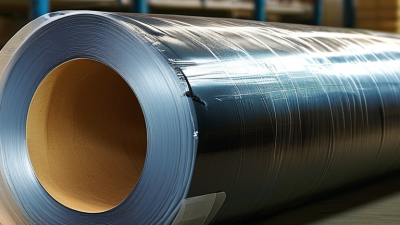
Global buyers need packaging that performs reliably across factories, warehouses, ports, and retail shelves. Heat Wrap Pof Film offers a practical option for protecting grouped products during transport and display. Its balanced clarity, strength, and shrink performance can support cleaner presentation without hiding product details.
Packaging scientist Dr. Susan Selke has stated, “Packaging should protect the product while avoiding unnecessary material.” That principle matters when buyers compare film thickness, sealing quality, shrink temperature, and transport durability. A good film should tighten evenly around cartons, bottles, or multipacks. It should also reduce loose edges and prevent shifting during handling.
Small details matter.
A reliable Heat Wrap Pof Film specification should match the sealing machine, product shape, and distribution environment. Global purchasers often assess roll consistency, odor, transparency, puncture resistance, and supplier documentation. These checks help prevent costly interruptions. They also make supplier comparisons more objective.
Still, no film solves every packaging problem. Thinner material may reduce consumption, but it can demand better machine settings and careful handling. A visually attractive wrap may perform poorly under cold storage or rough logistics. That is where practical testing becomes essential. Buyers should request samples, test actual products, and review technical data before placing large orders.
This guide examines why Heat Wrap Pof Film remains relevant for international buyers. It considers performance, efficiency, quality control, and responsible purchasing. The answer is not simply lower cost. It is dependable protection with fewer unpleasant surprises.
Why Choose POF Heat Wrap Film for Global Buyers?
What Is POF Heat Wrap Film and How Does It Work?
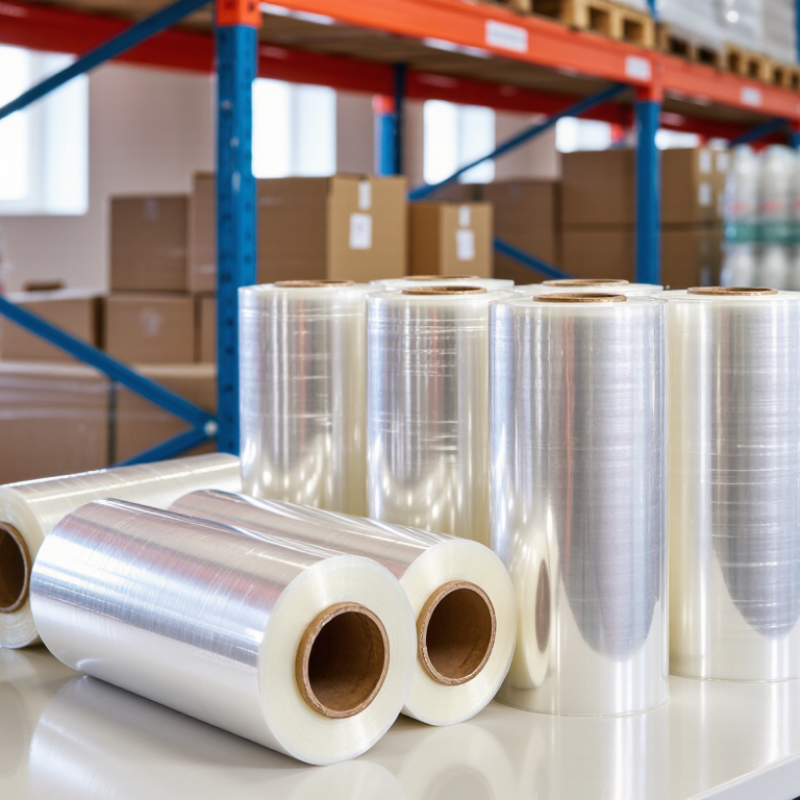
POF heat wrap film is a multilayer polyolefin film used to bundle and protect products. The principle is simple. A sealing bar closes the film around an item. Heated air then softens the film inside a shrink tunnel. As it cools, the film contracts and follows the product’s shape. This creates a clear, tight package around cartons, books, food trays, and household goods.
The process depends on temperature, dwell time, film gauge, and sealing quality. A well-adjusted tunnel can produce smooth corners without excessive wrinkles. According to Grand View Research, the global shrink film market reached about USD 9.49 billion in 2023. It is projected to grow at approximately 6.5% annually through 2030. Smithers’ packaging forecasts also identify downgauging and material efficiency as continuing industry priorities. These trends explain POF’s appeal for international buyers seeking lighter protective packaging.
POF usually offers strong clarity, balanced shrinkage, and reliable tear resistance. It also performs well on automatic packaging lines. However, it is not a magic material. Excessive heat may distort thin products, while weak seals can open during transport. I would not select film by shrink percentage alone. Trial runs should measure seal strength, tunnel energy, package appearance, and storage performance. Humidity and long-distance shipping can reveal problems missed on the production floor. A small test often prevents a costly container-wide mistake.
What Is POF Heat Wrap Film and How Does It Work?
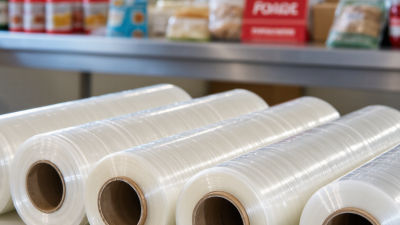
POF heat wrap film is a transparent polyolefin film that becomes flexible when heated and then shrinks tightly around a product. The chart shows the approximate film area available from 1 kilogram at common nominal thicknesses, calculated using a typical polyolefin density of 0.91 g/cm³. Thinner film can provide more wrapping area per kilogram, while thickness selection should also consider product weight, puncture resistance, sealing performance, and transport conditions.
Calculation basis: film area = mass ÷ (density × thickness). Actual yield varies with formulation, manufacturing tolerance, and processing conditions.
POF heat wrap film is usually a multilayer, coextruded polyolefin structure. Its core may combine polyethylene and polypropylene for balanced toughness and sealing. Unlike PVC-based alternatives, it contains no chlorine and produces a clean, low-odor package during normal heating. Typical gauges range from 12 to 25 microns, although demanding loads may need thicker film. That choice is practical, not decorative.
Performance starts with controlled shrinkage. Commercial grades commonly deliver roughly 50–65% shrink in one direction. The other direction may reach 40–60%, depending on grade and test method. Low-temperature sealing helps protect printed surfaces and lightweight contents. Buyers should check seal strength, puncture resistance, haze, gloss, and coefficient of friction. ASTM D2732 measures free shrink, while ASTM D882 helps compare tensile behavior. On a real line, tunnel airflow and dwell time can change results. I have seen visually clear film fail because its seal was weak. Clarity alone is not enough.
Demand is expanding. Grand View Research valued the global shrink film market at about USD 9.2 billion in 2023, with continued growth projected through 2030. Smithers’ packaging-film research highlights downgauging and recyclability as major development directions. Thinner POF can reduce material use, but not when rejected packs increase. Global buyers should request test data at their actual machine speed, temperature, and package geometry. Supplier claims need verification. A small trial often reveals edge tearing, unstable shrink, or poor seal contamination. Those failures are inconvenient, yet useful.
Why Choose POF Heat Wrap Film for Global Buyers?
How Does POF Heat Wrap Film Compare With Other Packaging Films?
POF heat wrap film is often chosen for retail packs because it combines clear presentation with reliable shrinking. In a properly adjusted tunnel, it can form a tight, smooth sleeve around books, food trays, cosmetics, and household goods. Its typical shrink range is about 50–70%, depending on film structure and processing conditions. That performance exceeds ordinary polyethylene film, which usually offers stronger puncture resistance but less clarity and shrink definition.
PVC film can shrink effectively, yet POF avoids chlorine-based chemistry and generally produces fewer concerns during controlled disposal. Smithers’ 2024 flexible packaging outlook values the global market at more than 200 billion US dollars, with demand supported by lightweight film and efficient material use. This trend matters. A thinner POF film may reduce packaging weight without sacrificing visibility. However, thinner is not automatically better.
The Flexible Packaging Association reports that flexible formats can use substantially less packaging material than rigid alternatives. Still, real results depend on sealing temperature, product edges, and machine speed. POF usually offers good seal strength, but sharp corners can expose weak settings quickly. It is not a magic film. Buyers should request shrink tests, puncture tests, and seal-strength records before ordering large volumes. Local recycling access also differs widely, so environmental claims require careful verification.
Why Choose POF Heat Wrap Film for Global Buyers?
What Should Global Buyers Consider Before Selecting POF Heat Wrap Film?
Choosing POF heat wrap film requires more than checking price and appearance. Buyers should match film thickness with product weight, edges, and handling conditions. A lightweight box may need different protection than a sharp-cornered household item. Film that looks clear on a sample roll can still tear during high-speed packing.
Machine compatibility matters greatly. Check sealing temperature, tunnel settings, roll width, and shrink direction before placing a large order. In packaging trials, small adjustments often improve tightness and reduce wrinkles. Ask for production samples, not only laboratory data. Real cartons reveal problems faster.
Performance should be tested under realistic transport conditions. Expose wrapped products to vibration, stacking pressure, humidity, and temperature changes. Measure puncture resistance, seal strength, shrink uniformity, and visual clarity. A thicker film is not always better. It may increase material use and create unnecessary costs. A thinner film may save money, but weak seals can damage the whole shipment.
Global buyers should also review technical datasheets, safety information, batch consistency, and export documentation. Storage conditions deserve attention; heat and direct sunlight can affect film performance before use. Supplier communication is another practical test. If specifications remain vague, quality control becomes difficult. No film is perfect. A careful buyer should record test results, question unexpected failures, and accept that the first trial may need adjustment.
| Evaluation Dimension | Typical POF Heat-Shrink Film Information | Why It Matters to Global Buyers | What Buyers Should Verify |
|---|---|---|---|
| Material structure | Polyolefin-based multilayer film, commonly produced with polyethylene and polypropylene components. Exact structures vary by grade. | The structure affects clarity, puncture resistance, sealing behavior, shrink performance, and packaging-machine compatibility. | Request the technical data sheet, layer structure description, and intended application range. |
| Common thickness range | Approximately 12–30 micrometres for many general-purpose retail and multipack applications; heavier gauges are available for demanding loads. | Thinner film can reduce material consumption, while thicker film may improve load protection and puncture resistance. | Compare nominal thickness, thickness tolerance, roll length, roll weight, and actual consumption per packed unit. |
| Shrink performance | Typical shrink levels are often about 50–70% in the machine direction and 30–50% in the transverse direction, depending on film design and test conditions. | Balanced shrink helps produce a tight, attractive package while reducing wrinkles, distortion, and product damage. | Check shrink percentage by direction, test temperature, exposure time, and the buyer’s actual tunnel settings. |
| Sealing temperature | Many POF films have seal-initiation temperatures roughly in the 90–130°C range, although the effective machine setting depends on film grade and equipment. | Lower sealing requirements can support higher line speeds and may reduce energy use or heat exposure to sensitive products. | Request recommended sealing-window data and conduct trials using the buyer’s sealing jaws, speed, and package dimensions. |
| Shrink-tunnel temperature | A common operating range is approximately 120–180°C, subject to film formulation, tunnel design, conveyor speed, and package geometry. | Correct settings help achieve uniform shrinkage without burn-through, haze, holes, or excessive package deformation. | Confirm recommended tunnel temperature, dwell time, airflow, and acceptable operating range through a production trial. |
| Clarity and gloss | POF film is generally selected for high transparency and good surface gloss compared with many conventional packaging films. | Clear, glossy packaging improves product visibility and can support retail presentation without printed cartons. | Review haze, gloss, transparency, and appearance after shrinking—not only before processing. |
| Mechanical protection | Good puncture and tear resistance are common advantages, but performance depends on thickness, additives, orientation, and package shape. | Adequate strength reduces film breakage during wrapping, transport, pallet handling, and retail display. | Compare tensile strength, elongation, tear resistance, puncture resistance, and package drop-test results. |
| Sealing quality | POF can provide strong, visually clean seals when the film and equipment are correctly matched. | Reliable seals reduce open packages, product contamination risk, film waste, and production stoppages. | Test seal strength, seal appearance, hot tack, contamination tolerance, and seal performance at the target line speed. |
| Packaging-machine compatibility | Suitable for many L-sealers, side-sealers, and automatic shrink-wrapping systems, provided film width, core size, and operating parameters match. | Compatibility affects line efficiency, film consumption, changeover time, and maintenance requirements. | Confirm machine type, maximum film width, roll diameter, core diameter, sealing-bar size, and conveyor speed. |
| Food-contact suitability | Some grades are designed for direct or indirect food contact, but compliance depends on formulation, destination market, and intended use. | Food packaging imports may require documented compliance with applicable national or regional regulations. | Request a current declaration of compliance, migration-test results, and confirmation for each destination market. |
| Regulatory documentation | Typical documentation may include a technical data sheet, safety information, composition statement, compliance declaration, and quality certificate. | Complete documentation supports customs clearance, customer audits, product approval, and internal quality control. | Check document validity, language requirements, test methods, revision dates, and consistency with the supplied grade. |
| Recyclability considerations | POF is polyolefin-based, but practical recyclability depends on local collection, sorting, and film-recycling infrastructure. | A technically recyclable material may not be accepted in every country or municipal recycling program. | Verify local recycling guidance, packaging-label requirements, recycled-content rules, and extended-producer-responsibility obligations. |
| Storage conditions | A commonly recommended storage environment is a clean, dry area around 15–30°C, away from direct sunlight, heaters, moisture, and sharp objects. | Appropriate storage helps preserve shrink performance, roll shape, sealing behavior, and surface quality. | Confirm the supplier’s storage period, conditioning requirements, packaging method, and first-in-first-out procedure. |
| Roll and packing specifications | Important variables include flat width, lay-flat width, roll length, core diameter, roll diameter, winding direction, and roll weight. | Correct specifications prevent machine-feed problems, excess trim, inaccurate packaging calculations, and unexpected freight costs. | Approve a packaging drawing and inspect roll dimensions, labels, pallet configuration, and moisture protection before shipment. |
| International logistics | Film is lightweight but can occupy significant cubic volume; shipping efficiency depends on roll density, pallet height, and container utilization. | Freight, storage, import duties, and delivery reliability can materially affect total landed cost. | Compare total landed cost, incoterms, minimum order quantity, lead time, pallet limits, and customs documentation. |
| Total cost of ownership | The purchase price is only one factor; film usage, line speed, waste, energy, downtime, freight, and compliance costs also contribute. | A lower-priced film may be more expensive if it causes higher breakage, slower production, or greater material consumption. | Calculate cost per finished package and compare production-trial results under identical machine conditions. |
| Quality consistency | Important controls include thickness uniformity, width tolerance, shrink consistency, coefficient of friction, seal strength, and appearance. | Stable quality supports predictable machine settings and reduces defects across repeated international shipments. | Define acceptance criteria, inspection frequency, batch traceability, complaint procedures, and retained-sample policy. |
Note: The technical ranges shown are indicative industry ranges rather than universal specifications. Actual performance varies by film grade, package design, equipment, test method, and destination-market requirements.
Across international markets, POF heat wrap film is used to secure and present packaged goods. Its main role is simple: protect products during handling, storage, and retail display. In food distribution, operators wrap cartons, trays, and multipacks with controlled heat. The film tightens around irregular shapes without hiding essential labels. This matters when goods cross several warehouses. Clear packaging helps workers inspect seals, counts, and visible damage. Still, clear film does not replace proper inspection.
In household goods and light industrial packaging, converters use POF film for bundled items, printed materials, and small components. Heat tunnels create a close fit around products, while perforation and film thickness affect air release and sealing quality. Experienced packers adjust temperature, conveyor speed, and airflow for each product. A setting that works for a rigid box may distort a soft package. Trial runs matter. Small errors become expensive at export scale.
International buyers also consider roll width, folding style, core size, and consistent shrink performance. These details must match local equipment and warehouse conditions. Humid storage, long sea transit, and cold distribution can expose weak packaging choices. Buyers should request technical data, sample rolls, and batch records before ordering. They should also confirm applicable packaging, recycling, and food-contact requirements in each destination. POF film is efficient, but it is not automatically the best option. Some products need stronger puncture resistance or reduced plastic use. Practical testing remains more reliable than a polished specification sheet.