How to Choose the Best Pof Shrink Film for Your Business?
In the fast-evolving packaging industry, choosing the right Pof Shrink Film is crucial for businesses looking to optimize their operations. Industry reports indicate that the demand for shrink films is expected to grow by 5.5% annually through 2025. This increase highlights the necessity for companies to stay informed and adapt to market trends.
Expert Mark Johnson, a leading authority in packaging solutions, emphasizes, "Selecting the right Pof Shrink Film can significantly enhance product presentation and ensure durability." His insights underline the importance of understanding the various types of Pof Shrink Films available. Each offers unique benefits and applications tailored to different business needs.
However, many businesses stumble when assessing their specific requirements. They often overlook factors such as film thickness, shrinkage ratio, and environmental impact. A well-informed choice can lead to improved brand image and customer satisfaction. Yet, the wrong selection can result in wasted resources and loss of market share. Thus, evaluating the right Pof Shrink Film requires careful consideration and a balanced approach to both quality and cost.
Understanding POF Shrink Film: Basics and Benefits
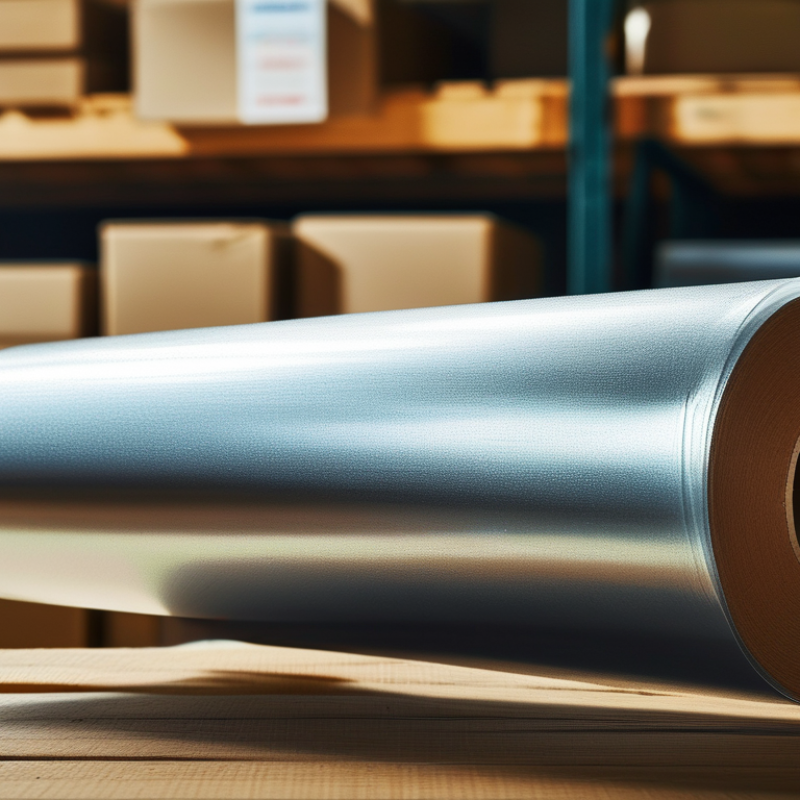
Understanding POF shrink film is essential for businesses seeking effective packaging solutions. POF, or polyolefin, is a versatile material known for its durability and clarity. It provides excellent protection against dust and moisture. This makes it ideal for various products, from food items to electronics.
Tips for choosing POF shrink film include considering your product type. Heavier products may require thicker film. Consider the clarity as well; higher clarity enhances product visibility. Remember to account for the shrink temperature as well. The right temperature ensures secure packaging without damaging the contents.
POF shrink film also boasts environmental benefits. It is recyclable, which appeals to eco-conscious consumers. However, not all POF films are created equal. Some may perform poorly in extreme temperatures. Always test the film before making bulk purchases. This helps avoid costly mistakes and ensures the film meets your specific needs. Exploring different suppliers might reveal better options.
Factors to Consider When Choosing POF Shrink Film
Choosing the right POF shrink film for your business involves several key factors. The thickness of the film is one critical aspect. Thicker films tend to offer better protection but may also come with increased costs. Balancing durability and budget is essential. Additionally, consider the clarity of the film. A crystal-clear finish enhances the package’s visual appeal, which can influence customer perception.
Another important factor is shrinkage rate. Different films offer varying degrees of shrinkage at certain temperatures. Understanding the specific requirements of your packaging process will help you select a suitable film. Testing the film in real-world conditions can reveal issues that might not be apparent in theory. If problems arise during production, it may be necessary to reassess your choice.
Lastly, compatibility with your equipment is crucial. Not all films work well with every shrink wrapper. Ensure the film you select is designed for your machinery to avoid operational disruptions. Reviewing your film options is essential, but it’s also vital to consider how changes might impact your workflow. Regularly reevaluating these factors can lead to improved efficiency over time.
Comparing Different Types of POF Shrink Film
When it comes to choosing POF shrink film, understanding the different types is crucial.
POF, or polyolefin, is known for its impressive clarity and strength. It is often preferred for packaging products that require durability and protection. According to a recent market analysis, the global POF shrink film market is expected to experience a compound annual growth rate (CAGR) of 5.8% from 2021 to 2026. This growth indicates a rising demand in various industries.
There are three main types of POF shrink films: single layer, co-extruded, and multi-layer. Single-layer films offer basic shrink properties and are most cost-effective. However, they may lack the robustness needed for heavy-duty applications.
Co-extruded films, on the other hand, combine different materials to enhance performance. Their barrier properties make them suitable for perishable goods, as they extend shelf life. The multi-layer options provide superior strength and flexibility. Yet, they often come at a higher price point, making them a less appealing choice for some businesses.
Making the right choice requires evaluating your specific needs. For example, if you're packaging fragile items, investing in co-extruded or multi-layer films might be worthwhile. However, businesses must also consider budgeting constraints. Each type of POF shrink film has its advantages and can also present challenges that require careful thought. Choose wisely based on your product requirements and market trends; doing so can significantly impact your business's success.
Evaluating Quality and Durability of POF Shrink Film
When selecting POF shrink film, evaluating its quality and durability is vital. The right film can significantly affect product presentation and protection. According to a recent industry report, 72% of businesses reported improved packaging reliability with high-quality POF films. To make an informed choice, consider the film's thickness and clarity. Thicker films often provide better protection. However, they may come at a higher cost.
Durability is another critical factor. Tests show that POF films with a tensile strength above 100 MPa tend to offer superior performance. This strength ensures that the film can withstand wear during handling and transportation. Additionally, films with good shrink memory can conform to product shapes without compromising aesthetics. This flexibility can reduce breakage in fragile items.
It's essential to recognize that not all POF films are created equal. Some may provide less clarity or film strength than advertised. Therefore, reviewing supplier specifications and certifications can aid in making a better decision. Regulatory compliance and environmental factors also sway many businesses towards sustainable options. Remember, investing in the right quality can save costs in the long run.
Choosing the Right Supplier for POF Shrink Film
Selecting the right supplier for POF shrink film is crucial for your business. A reliable supplier ensures consistent quality and timely delivery. According to industry reports, approximately 30% of businesses face issues related to product quality due to poor supplier selection. This statistic highlights the importance of making informed choices.
When evaluating potential suppliers, consider their experience in the industry. A supplier with over a decade of expertise often has a better understanding of market trends and customer needs. Many manufacturers report that working with experienced suppliers leads to fewer production interruptions. Additionally, ask for samples to assess film quality. Testing their products can reveal significant differences in shrink properties.
Evaluating a supplier's certifications is essential. Look for industry-standard certifications that confirm their adherence to quality practices. According to the Flexible Packaging Association, about 25% of issues arise from non-certified suppliers. Non-compliance can harm your product's integrity. Supplier transparency is also a key factor. Open communication about sourcing and manufacturing processes builds trust. Many companies find that a trustworthy relationship reduces risks and enhances collaboration.