2026 Top Trends in Packaging Film Innovations and Sustainability?
The packaging film industry is evolving rapidly, with sustainability at its core. According to Dr. Emily Carter, a leading expert in packaging innovation, "The future of packaging film lies in balancing functionality and environmental responsibility." As manufacturers strive for eco-friendly solutions, new trends are emerging.
Innovation in packaging film includes biodegradable materials and recyclable designs. These advancements address growing consumer demand for sustainable products. Companies are now investing in research and development to create films that reduce waste and minimize environmental impact. However, achieving this balance is challenging.
Many brands grapple with how to maintain product integrity while prioritizing sustainability. The journey is complex. Each innovation requires careful consideration of materials, production methods, and end-of-life options. As we look to 2026, the need for more sustainable packaging film is clear. There is still much work to do in pursuit of a greener future.
Emerging Technologies in Packaging Film for 2026
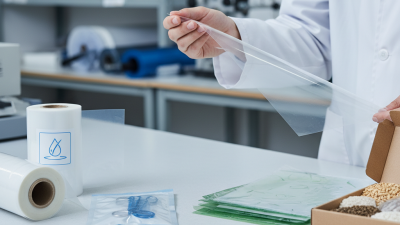
In 2026, the landscape of packaging film is set to undergo significant transformation. Innovations in materials will lead to greater sustainability. Biodegradable and compostable films are gaining traction. These materials reduce environmental impact and help address plastic pollution. Many companies are exploring plant-based options, making films from renewable resources. This shift reflects a growing awareness of ecological responsibility.
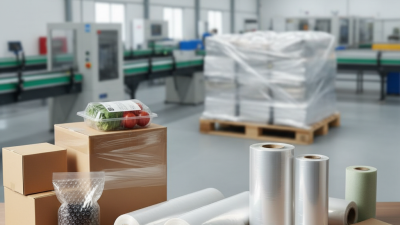
Emerging technologies are also reshaping packaging processes. Advanced coatings improve barrier properties, extending product shelf life. These innovations reduce waste by keeping goods fresh longer. Additionally, smart packaging technologies are on the rise. They allow real-time monitoring, enhancing supply chain efficiency. However, the challenge lies in balancing performance with sustainability in these new materials.
While progress is promising, there are still hurdles. The cost of sustainable materials can be higher. This creates hesitation among manufacturers. Finding the right balance between cost and eco-effectiveness remains essential. Moreover, consumer awareness is not uniform. Some users still prioritize performance over sustainability. Addressing these gaps will be crucial for the future of packaging film innovation.
2026 Top Trends in Packaging Film Innovations and Sustainability
Innovative Materials Driving Sustainable Packaging Solutions
The push for sustainability in packaging is revolutionizing the industry. Innovative materials are at the forefront of this change. Biodegradable films are gaining popularity. These films decompose in natural environments, reducing waste. They provide a significant advantage over traditional plastic. Their ability to offer similar barrier properties makes them an attractive option.
Another trend is the use of recycled content in packaging films. Many companies are exploring how to incorporate post-consumer materials. This approach not only reduces reliance on virgin resources but also promotes a circular economy. However, ensuring the quality and safety of these materials poses challenges. There are ongoing discussions about the effectiveness of recycled films in preserving product integrity.
Firms are also investing in smart packaging solutions. These innovations enable better tracking and user interaction. Yet, the technological advancements often come with complexities. Balancing performance and environmental impact requires careful consideration. The journey towards fully sustainable packaging is ongoing. Each step forward highlights both achievements and areas needing improvement.
Regulatory Trends Shaping Packaging Film Practices by 2026
The regulatory landscape for packaging films is rapidly evolving. By 2026, regulations will likely focus on reducing plastic waste and enhancing recyclability. Many countries are implementing stricter guidelines on single-use plastics. These changes are shaping how companies approach packaging design.
Sustainability is becoming a key driver for innovation. Manufacturers are exploring biodegradable materials and alternative raw materials. However, the transition is fraught with challenges. Not all biodegradable options break down effectively in various environments. Some materials may not meet the strength or barrier properties needed for safe product preservation.
Compliance with these new regulations can be complex. Companies may struggle to adapt their processes to meet these stringent standards. It requires a collaborative effort between stakeholders, from manufacturers to consumers. Embracing change could enhance brand reputation, but the path is not straightforward. Innovation must balance sustainability with practicality.
2026 Top Trends in Packaging Film Innovations and Sustainability
| Trend |
Description |
Impact on Sustainability |
Regulatory Influence |
| Biodegradable Materials |
Use of compostable films made from natural polymers. |
Reduces landfill waste and promotes a circular economy. |
Stricter regulations on plastic waste management. |
| Recyclable Packaging |
Development of films that can be easily recycled. |
Encourages recycling practices and lowers carbon footprint. |
Compliance with upcoming recycling mandates. |
| Active Packaging Solutions |
Incorporation of materials that improve shelf life and reduce spoilage. |
Minimizes food waste and promotes efficient resource use. |
Regulations on food safety and packaging technology standards. |
| Minimalist Packaging |
Focus on reducing material use while maintaining product protection. |
Lowers resource consumption and waste generation. |
Government incentives for reducing packaging waste. |
| Smart Packaging Technologies |
Integration of sensors and QR codes for enhanced tracking and information. |
Improves product lifecycle management and consumer awareness. |
Emerging policies around digital information on packaging. |
Consumer Preferences Impacting Packaging Film Design and Sustainability
The packaging industry is evolving rapidly, with consumer preferences playing a significant role. A recent study indicates that 74% of consumers are willing to pay more for sustainable packaging. This shift reflects a growing awareness of environmental issues. Many consumers now consider packaging waste when making purchasing decisions.
Innovations in packaging film are responding to this trend. Biodegradable films, made from renewable resources, are gaining traction. According to market research, the biodegradable film market is expected to reach $5.3 billion by 2026. This growth highlights the demand for sustainable options and the willingness of brands to adapt. However, questions remain about the effectiveness and performance of these films in all applications.
While sustainable options are essential, not all solutions are perfect. Some biodegradable materials may not decompose effectively in landfill conditions. Furthermore, consumers need better education on proper disposal methods. Balancing performance with sustainability remains a challenge for many manufacturers. Engaging consumers through transparent communication will be key in navigating this complex market landscape.
Case Studies of Successful Sustainable Packaging Film Innovations
The packaging film industry is witnessing remarkable innovations in sustainability. A recent study by Smithers reports that sustainable packaging is expected to grow at a CAGR of 5.7% from 2021 to 2026. This signifies a shift towards eco-friendly materials. Companies are exploring biodegradable films made from plant-based sources, aiming to reduce plastic waste.
One inspiring case study comes from a leading manufacturer that developed a compostable film. This film is made from corn starch and meets strict compost standards. Testing showed that it fully degrades within 90 days in industrial composting facilities. Despite initial production costs being higher, this innovation attracted environmentally conscious customers, demonstrating that sustainability can align with market demands.
Another notable example is the use of recycled materials for packaging films. Firms are incorporating Post-Consumer Recycled (PCR) content into their films. Recent data indicates that 27% of companies have adopted this practice. However, challenges remain. The quality and consistency of recycled materials can vary, complicating production processes. Manufacturers must navigate these hurdles to ensure their sustainable films perform well in the market.