China Best Heat Shrink Film Options for Your Packaging Solutions?
In the ever-evolving packaging industry, "Heat Shrink Film" has emerged as a crucial player. Renowned expert in packaging solutions, John Steele, states, "Heat Shrink Film is transformative for product protection." This material not only enhances the safeguarding of products but also elevates presentation.
With various options available, choosing the right Heat Shrink Film can be daunting. Factors like thickness, shrink ratio, and clarity must be considered. The effectiveness of Heat Shrink Film is not just about aesthetics; it is essential for ensuring product integrity during shipping and storage. Many businesses find themselves grappling with subpar options, leading to product damage and customer dissatisfaction.
Moreover, selecting the best Heat Shrink Film means assessing reliable suppliers and sustainability. Companies often overlook these aspects. A hasty commitment to low-cost solutions can backfire. The packaging world demands constant reflection on choices made. Ultimately, the right Heat Shrink Film can significantly impact the bottom line and the brand's reputation.
Overview of Heat Shrink Film and Its Applications in Packaging
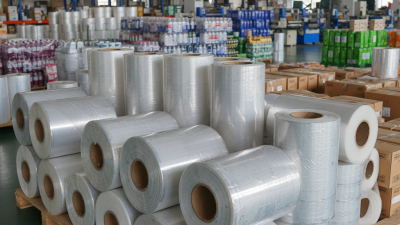
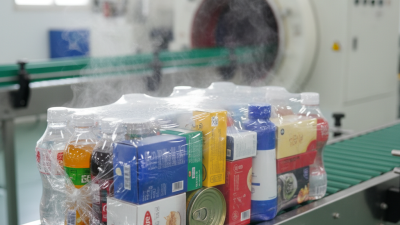
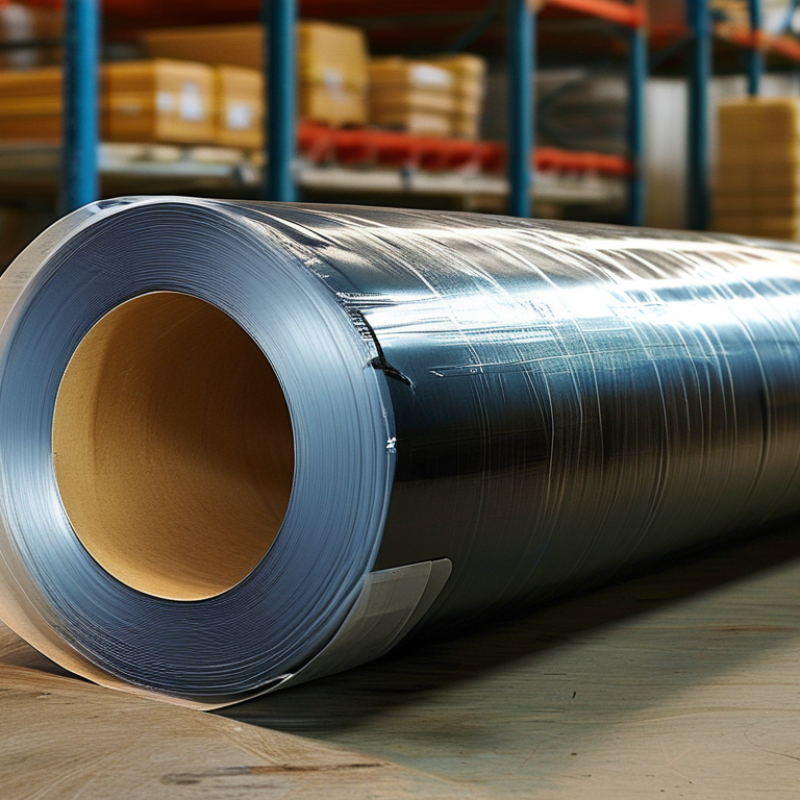
Heat shrink film is a versatile packaging solution widely used across various industries. It is made from polymer materials that shrink tightly over products when heat is applied. This film provides a protective layer, ensuring the safety of items during storage and transportation. The tight fit minimizes movement, reducing the risk of damage. Moreover, it can enhance product visibility while offering tamper evidence, adding a layer of security.
Applications of heat shrink film are vast. Food packaging is one of the most common uses. It preserves freshness and extends shelf life, vital for perishable goods. In retail, shrink film is often employed for bundling multiple products together, making them easier to handle and display. However, challenges exist. Sizing the film correctly is crucial; too tight, and it may damage the item. Too loose, and it won't provide adequate protection.
The environmental impact of heat shrink film is another area for reflection. While many options are recyclable, not all consumers are aware of this. A shift towards more sustainable materials is necessary. Companies must balance performance with eco-friendliness. Consumer awareness is growing, pushing manufacturers towards innovation in this field.
China Best Heat Shrink Film Options for Your Packaging Solutions
| Type of Heat Shrink Film |
Material |
Thickness (microns) |
Width (mm) |
Temperature Resistance (°C) |
Applications |
| PVC Heat Shrink Film |
Polyvinyl Chloride |
30 - 100 |
100 - 1200 |
-40 to 70 |
Food packaging, bottles, and cans |
| PE Heat Shrink Film |
Polyethylene |
30 - 150 |
200 - 1500 |
-40 to 80 |
Bottles, multipacks, and outdoor products |
| PP Heat Shrink Film |
Polypropylene |
30 - 200 |
100 - 800 |
-30 to 90 |
Retail packaging, labeling, and bundling |
| PET Heat Shrink Film |
Polyester |
50 - 200 |
100 - 1500 |
-50 to 120 |
High-end packaging, electronics, and cosmetics |
Key Characteristics to Consider When Choosing Heat Shrink Films
When selecting heat shrink films for packaging, several key characteristics come into play. Thickness is essential. Thicker films offer durability, but may require more heat. Conversely, thinner films tend to shrink faster. Balance is crucial. The correct gauge ensures that your products are well-protected without wasting energy.
Another important aspect is clarity. High clarity films allow visibility of the packaged product. This is vital for retail items. Packaging should attract customers. Consider the film's shrink ratio as well. A higher shrink ratio means a tighter fit around the product. This enhances stability during shipping and minimizes product movement. However, overbearing shrink can damage delicate items.
Temperature resistance is another factor, especially for food products. Films that withstand higher temperatures are often desirable. They ensure that packaging remains intact during production and transportation. Evaluate your specific needs carefully. Not every film suits every product. A mismatch can lead to issues like tearing or poor appearance. Always test a sample before committing to a large order. This step can save both time and resources.
Top Manufacturers of Heat Shrink Films in China
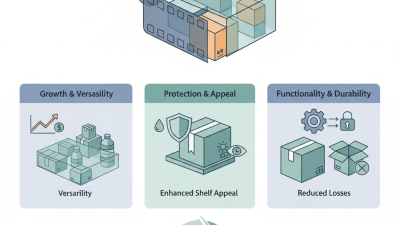
When considering heat shrink film options, manufacturers in China stand out for their innovative solutions. These films are essential for product protection, enhancing shelf appeal, and offering tamper evidence. Choosing the right film can be overwhelming, but understanding the top manufacturers can guide your decision-making.
One notable aspect is the variety of materials used. Polyolefin and PVC are popular, each with unique properties. For example, polyolefin films are versatile and safe for food packaging, while PVC films offer excellent clarity. Depending on your specific needs, selecting the appropriate type is crucial for optimal results.
Tips: Evaluate the thickness of the film for your products. A thicker film can provide better protection but may reduce flexibility. Conduct tests to determine the best fit. Additionally, check the manufacturer's reputation. Reviews from other clients can offer valuable insights into reliability and service quality. Don't hesitate to reach out for samples before finalizing your choice. This ensures the film meets your specific requirements and helps in avoiding costly mistakes.
Environmental Impact of Heat Shrink Films and Sustainable Options
Heat shrink films are widely used in packaging, but their environmental impact warrants attention. According to a report by Smithers Pira, around 320 million tons of plastic are produced annually, much of which ends up as waste. Conventional heat shrink films, often made from non-biodegradable materials, contribute significantly to plastic pollution. These films can take hundreds of years to decompose, placing immense strain on our planet.
Sustainable options are emerging, including bio-based and biodegradable films. Industry leaders have reported a growing shift towards these eco-friendly alternatives. These films, made from renewable resources, can break down more rapidly than their conventional counterparts. For instance, a recent study highlighted that biodegradable films could decompose in just 90 days under composting conditions. This shift is not just about meeting regulations; it’s about changing consumer preferences for environmentally responsible packaging.
Tips: When selecting heat shrink films, consider the end-of-life impact. Opt for suppliers offering sustainable solutions. Choosing the right material is crucial for reducing your carbon footprint. Reflect on the balance between packaging performance and environmental responsibility. What can you do to minimize waste in your operations?
Innovations in Heat Shrink Film Technology for Packaging Solutions
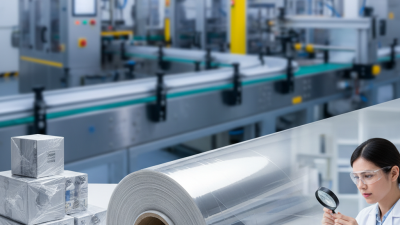
In recent years, innovations in heat shrink film technology have transformed packaging solutions in China. New materials offer improved durability and clarity. These advancements ensure better protection during transportation and enhance product visibility on retail shelves. The latest films are thinner yet stronger, reducing waste and costs.
Biodegradable options are gaining traction, appealing to environmentally conscious consumers. However, the performance of these materials can vary, necessitating careful testing. Some businesses encounter challenges with shrinkage consistency and adhesion. Continuous innovation in the industry often leads to unforeseen issues that require adaptation.
As the market evolves, it's crucial to stay informed about emerging trends. Collaborating with packaging experts can guide you in selecting the most effective solutions. Be aware of the balance between cost and functionality as you explore new options. The landscape of heat shrink film is dynamic, with potential for both triumphs and pitfalls.