inquiry
Leave Your Message

What Is Shrinkwrap Packaging and How Does It Work?

Shrinkwrap is a thin plastic film that forms a close-fitting layer around a product. It protects goods from dust, moisture, scuffs, and handling damage. You may see it around retail boxes, food trays, books, and bundled industrial parts. The process looks simple, but reliable results depend on film selection, temperature, and machine settings.

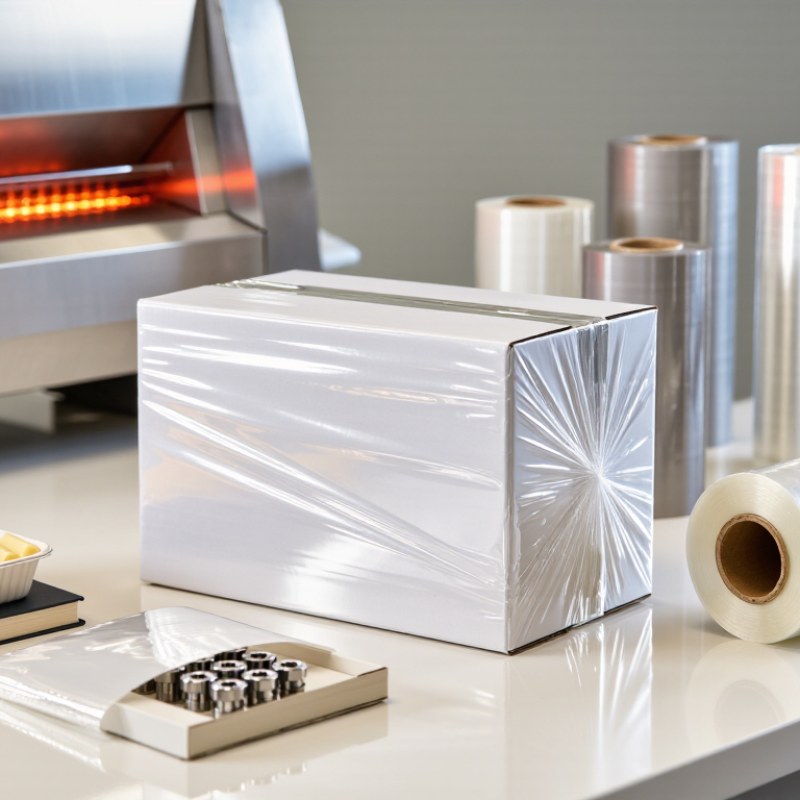
A packaging operator places the product inside or beneath the film. Heat then causes the material to contract around its shape. This heat may come from a handheld gun or a controlled shrink tunnel. Common films include polyethylene, polyolefin, and PVC, each serving different packaging needs. A clear polyolefin film can make a gift box look polished, while thicker polyethylene film can hold several cartons together. The seal must remain strong without scorching the edges.

Good Shrinkwrap packaging requires practical judgment, not heat alone. Excessive temperature can create holes, wrinkles, or unpleasant odors. Insufficient heat leaves loose sections that may catch during transport. Product corners, ventilation, and label visibility also matter. In real workplaces, results can vary between machines, film batches, and operator experience. That is easy to overlook.

This guide explains how Shrinkwrap works, where it performs well, and what can go wrong. It also considers equipment choices, material efficiency, workplace safety, and waste reduction. Shrinkwrap is useful, but it is not a perfect solution. Better packaging decisions begin with the product’s size, sensitivity, journey, and end-of-life requirements.
What Is Shrinkwrap Packaging and How Does It Work?

What Is Shrinkwrap Packaging?

Shrinkwrap packaging is a thin polymer film that tightens around a product when heated. It creates a close-fitting layer for protection, grouping, and presentation. Unlike stretch wrap, shrink film contracts after controlled heat exposure. Common materials include polyethylene, polyolefin, and PVC. Each material offers different clarity, strength, sealing behavior, and disposal considerations.

The process is practical. A product is placed inside a film sleeve or bag. Heat then passes over the film through a tunnel or handheld tool. The polymer chains respond by contracting, pulling the film tightly around the item. A sealed pack may resist dust, light moisture, scuffing, and minor movement during handling. The fit is not always perfect. Sharp corners can puncture the film, while excessive heat can cause wrinkles or weak seals.

US$9.6 billion A 2024 global shrink-film market forecast valued the sector at approximately US$9.6 billion and projected growth near 5.5% annually through 2029. This expansion reflects demand for lightweight secondary packaging and compact product bundling. However, market growth does not automatically mean better sustainability. A single-material design can simplify recovery, while mixed layers may complicate it. I would also question claims based only on reduced weight. Less material helps, but recyclability, energy use, and actual collection systems matter too.
How Shrinkwrap Film Is Made and Prepared

Shrinkwrap film begins as small polymer pellets, usually polyethylene or polyolefin. Manufacturers melt these pellets inside a heated extruder. The softened material passes through a narrow die and forms a thin tube or sheet. Cooling air quickly stabilizes its shape. Some films use a cast process, while others use blown-film production. Both methods require careful control of temperature, speed, and thickness.

The film gains its shrinking ability during orientation. Machines stretch the hot film in one or two directions, then cool it under tension. Later, heat releases that stored memory. The film contracts around a product and creates a close, protective layer. Operators inspect thickness, clarity, sealing strength, and shrink performance before winding large rolls. Preparation also matters. Rolls must stay dry, clean, and protected from sharp edges. Poor storage can cause wrinkles or uneven shrinking. That detail is easy to underestimate.

Tips: Match film thickness to the product’s weight and shape. Test a small sample before full production. Use steady heat, not excessive heat. Watch corners carefully. They often reveal weak settings first. Keep records of temperature and shrink time; small adjustments can improve consistency. Still, no setting works perfectly for every package. Film type, equipment, and product geometry always interact.

How the Shrinkwrapping Process Works Step by Step

Shrinkwrap packaging uses heat to tighten a polymer film around a product, carton, or grouped load. The method is common in retail, food, electronics, and industrial distribution. The Flexible Packaging Association reported US flexible packaging sales of about US$39.5 billion in 2022, showing the scale of this packaging sector. Yet shrink film is not a universal solution. Film type, thickness, product shape, and recycling conditions all affect performance.

The shrinkwrapping process starts with film selection. Operators measure the product and leave enough material for sealing and contraction. The film is then folded around the item, and a heated blade or sealing bar closes the open edges. A weak seal can split during transport. The sealed package enters a heat tunnel, where controlled hot air contracts the film evenly. Typical tunnel temperatures vary by film and equipment, often around 120–180°C. The package then cools, allowing the film to stabilize around corners and surfaces.

Operators should inspect seal strength, wrinkles, holes, and exposed edges after cooling. Uneven shrinking may indicate poor airflow, excessive speed, or incorrect temperature. Smithers’ The Future of Global Shrink Films to 2028 estimates that the global shrink film market could approach US$12 billion by 2028. That growth encourages faster lines, but speed can hide defects. A practical quality check remains essential. The process looks simple. It is not always forgiving.

What Is Shrinkwrap Packaging and How Does It Work? - How the Shrinkwrapping Process Works Step by Step

Process Stage What Happens Typical Materials or Settings Main Quality Check
1. Product Preparation Products are cleaned, grouped, and positioned so that the film can cover the required surfaces without sharp edges causing damage. Product bundles, trays, cartons, or individual items; corner protection may be used for fragile products. Stable product arrangement and no exposed points likely to puncture the film.
2. Film Selection A suitable polymer film is selected according to product size, required strength, appearance, sealing method, and shrink performance. Polyolefin for clear retail packaging; polyethylene for heavier bundles and transport packs; PVC is used in some applications but requires appropriate ventilation and handling. Correct film width, thickness, clarity, puncture resistance, and compatibility with the equipment.
3. Film Measurement and Wrapping The film is drawn from a roll and placed around the product. In center-folded film systems, the product is inserted between two connected layers. Film overlap is normally provided at the seal area; the exact allowance depends on product geometry and machine design. Film is centered, wrinkle-free where possible, and not excessively loose or tight before sealing.
4. Sealing and Cutting A heated sealing bar, constant-heat knife, or rotary sealing system joins the film and cuts away excess material. Sealing temperature, dwell time, and pressure are adjusted for the film type and thickness. Equipment settings vary by machine and film. Continuous seal, clean cut, no holes, no burnt edges, and adequate seal strength.
5. Heat Application The wrapped product passes through a heat tunnel or receives controlled hot air. Heat activates the film's stored shrink properties, causing it to contract around the product. Many systems operate with tunnel air temperatures approximately between 120°C and 200°C, depending on film, line speed, package size, and equipment. Even shrink, controlled film tension, and no excessive distortion, melting, or product damage.
6. Cooling and Stabilization The package cools after leaving the heat zone. Cooling helps the film retain its final shape and improves handling stability. Ambient cooling is common; some high-speed systems use directed airflow or a dedicated cooling section. Package remains tight after cooling, with no loose panels, open seals, or trapped excessive air.
7. Final Inspection The finished pack is checked for appearance, protection, seal integrity, correct labeling, and suitability for storage or transport. Visual inspection, seal testing, dimensional checks, and occasional drop or compression testing according to the packaging requirement. Uniform appearance, secure closure, readable information, and no film tears or exposed product areas.
Typical Benefits Shrinkwrap can provide a transparent protective layer, help group multiple items, reduce exposure to dust and moisture, and improve package tamper visibility. Best results depend on correct film selection, accurate sealing, and controlled heat exposure. Protection and presentation must be balanced against film consumption, energy use, recyclability, and product heat sensitivity.

Common Types and Applications of Shrinkwrap Packaging

What Is Shrinkwrap Packaging and How Does It Work?

Shrinkwrap packaging uses heat to tighten plastic film around a product or grouped items. The process usually involves wrapping, sealing, and controlled heating. Heat makes the film contract, forming a close, protective layer. Polyolefin, polyethylene, and PVC films are common choices. Polyolefin suits retail packs because it offers clarity and balanced strength. Polyethylene works better for heavier bundles and transport protection. PVC can provide strong visual presentation, but environmental and handling concerns require careful evaluation.

Common applications include beverage multipacks, food trays, printed materials, hardware, and household products. A single product may use centerfold film, while large cartons often need polyethylene shrink film. Tamper evidence is another practical benefit. Damaged film becomes visible quickly. According to Grand View Research’s 2024 Shrink Packaging Market report, the global market was estimated at approximately USD 8.9 billion in 2023. The report also projects continued growth through 2030, supported by retail and logistics demand.

Machine settings matter more than many buyers expect. Excessive heat can distort labels, weaken seals, or create holes. Insufficient heat leaves wrinkles and loose corners. Packaging technicians often adjust temperature, conveyor speed, and airflow together. The correct setting depends on film thickness and product shape. It is not always obvious. A clear pack may look attractive, yet it can increase material exposure and disposal concerns. Smithers’ packaging research continues to identify material efficiency and recyclability as important development pressures. Shrinkwrap saves space, but it still needs thoughtful film selection and process testing.

Key Benefits and Limitations of Shrinkwrap Packaging

Shrinkwrap packaging uses a thin plastic film that tightens around a product after controlled heat is applied. The film first covers the item loosely. A heat tunnel or handheld heat tool then contracts it evenly. The result is a tight, transparent layer. It can hold multiple items together and reduce movement during transport. Clear film also lets customers inspect labels, colors, and surface condition without opening the package.

Its main benefit is practical protection. Shrinkwrap helps block dust, light moisture, and minor scratches. It can improve shelf appearance while using less material than some rigid packages. The film also adapts to irregular shapes, from small cartons to bundled household goods. In busy packing areas, automated systems can deliver consistent results and reduce manual wrapping time. However, consistency depends on temperature, airflow, and film selection. Small settings matter.

Shrinkwrap has real limitations. Excessive heat may distort sensitive products, soften printed surfaces, or create uneven wrinkles. A sharp corner can puncture the film during handling. The package may also become difficult to open without a cutting tool. Plastic film recycling depends on local collection systems, and many facilities do not accept every film type. This point is often overlooked. Condensation can form when warm products are sealed too quickly. Careful cooling and testing are necessary. Shrinkwrap is useful, but it is not a universal solution.