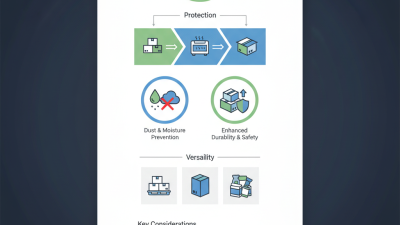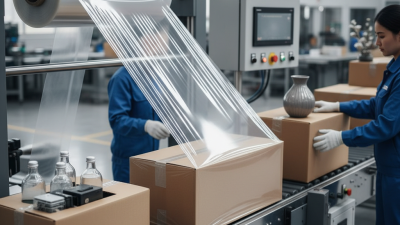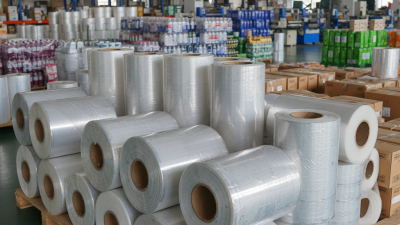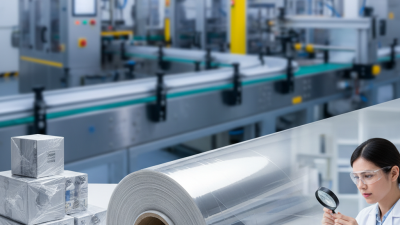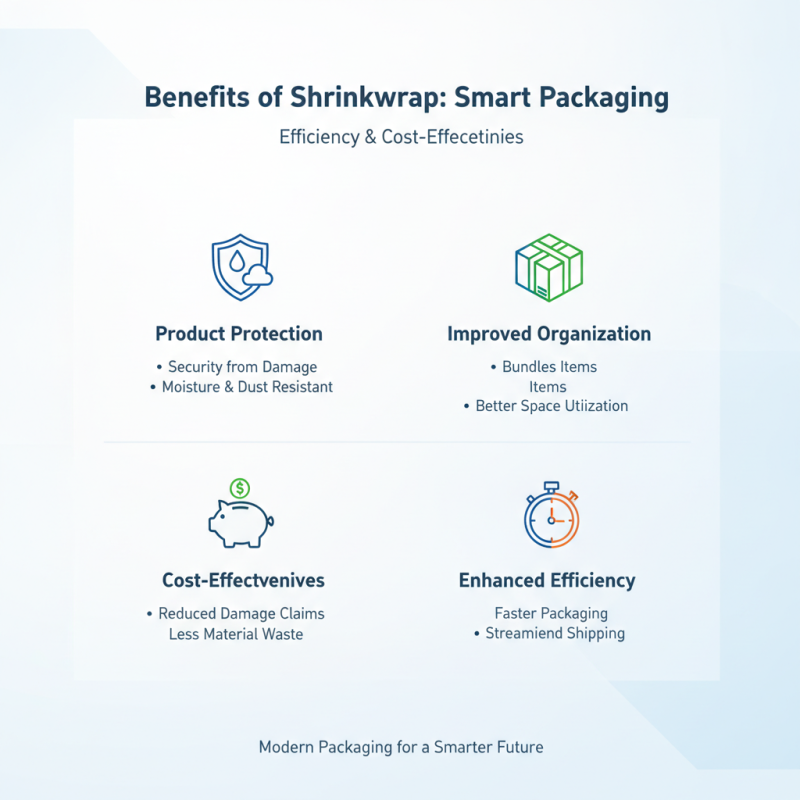
Shrinkwrap plays a vital role in packaging and shipping products. This versatile material provides excellent protection during transit. It tightly encases items, shielding them from dust, moisture, and impact. Businesses rely on shrinkwrap for efficient packaging solutions.
Using shrinkwrap can also enhance product presentation. The sleek appearance showcases items attractively. However, not every shrinkwrap application is flawless. Inconsistent heat settings may lead to uneven sealing. This can compromise the protective qualities intended.
Moreover, some environmental concerns arise with shrinkwrap use. While it offers many benefits, it contributes to plastic waste. Companies must balance efficiency with sustainability. The future of shrinkwrap hinges on finding eco-friendly alternatives that maintain its protective capabilities.

Shrinkwrap plays a vital role in packaging and shipping products safely. It acts as a protective layer that secures items during transit. The ability of shrinkwrap to conform to the shape of the product provides a snug fit. This tight seal helps prevent damage from impacts or moisture. When products shift during transport, shrinkwrap keeps everything intact.
In addition to physical protection, shrinkwrap offers visibility for product inspection. Customers can quickly see the contents without unwrapping. This transparency can lower the risk of tampering. However, not all shrinkwrap is created equal. Some films may not withstand extreme conditions. It’s essential to select high-quality materials for effective use.
Transporting delicate items demands careful consideration. Misapplication of shrinkwrap can lead to issues, such as insufficient protection. Should the wrap tear or weaken, products could be exposed to external elements. Regular reassessment of shrinkwrap performance is necessary to ensure reliability. Every shipment presents unique challenges, and a faulty wrap can result in losses.
| Dimension | Description |
|---|---|
| Protection from Damage | Shrinkwrap provides a barrier against physical damage during transit, ensuring that products arrive intact. |
| Moisture Resistance | It protects products from moisture and environmental factors that could lead to spoilage or degradation. |
| Tamper Evidence | Shrinkwrap acts as a tamper-evident seal, alerting customers if a product has been opened or compromised. |
| Cost-Effectiveness | Using shrinkwrap can be a cost-effective method to package and protect products without adding significant weight. |
| Visual Appeal | Shrinkwrap gives products a polished and professional appearance, which can enhance shelf appeal. |
| Sustainability | Many shrinkwrap materials are recyclable or made from recycled content, contributing to environmental sustainability. |
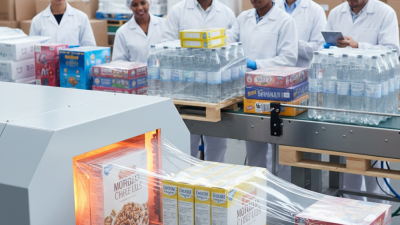
Shrinkwrap is a crucial element in modern packaging and shipping. It offers various benefits that enhance efficiency and reduce costs. This method ensures that products remain secure and free from damage during their journey. The tight fit of shrinkwrap protects items from moisture, dust, and other potential contaminants. Additionally, it enables better organization since multiple items can be bundled together, making space utilization in transportation more effective.
When considering shrinkwrap, keep a few tips in mind. Choose the right thickness based on the product's weight and fragility. A suitable thickness can prevent tears and ensure the wrap holds during transit. Testing different heat settings is also essential. Inconsistent heat can lead to uneven wrapping, which might compromise protection.
Another consideration is recycling. Many people overlook this aspect. After unwrapping, think about how to dispose of or recycle the shrinkwrap. Reducing environmental impact can be challenging in packaging. Yet, taking small steps makes a difference. Exploring biodegradable alternatives may be worthwhile, although they often require careful handling and specific conditions for effectiveness.
Shrinkwrap plays a crucial role in packaging and shipping, but its environmental impact deserves attention. Many shrinkwrap materials are derived from fossil fuels, raising concerns about sustainability. As consumers demand greener options, manufacturers are beginning to explore alternatives. Biodegradable and recyclable materials are gaining popularity. They offer environmental benefits while maintaining functionality.
However, the transition to eco-friendly shrinkwrap is challenging. Not all alternatives provide the same level of protection. Some biodegradable options may compromise the integrity of products during transit. This presents a dilemma for businesses, balancing ecological responsibility with product safety. More research is necessary to improve these materials without sacrificing performance.
Educating consumers is essential. Many are unaware of the environmental implications of shrinkwrap. The packaging industry must increase transparency. Sharing information about material sourcing and disposal can foster informed choices. Embracing sustainability in shrinkwrap selection is a step toward reducing the industry's carbon footprint. Exploring innovative solutions can lead to better practices in packaging and shipping.
Shrinkwrap has gained popularity in packaging due to its unique benefits. When compared to traditional packaging methods such as boxing or bubble wrap, shrinkwrap offers a more efficient solution. A report from the Packaging Association indicates that shrinkwrap reduces packaging waste by up to 30%. This efficiency is crucial for businesses aiming to minimize their environmental footprint.
Shrinkwrap provides a tight, protective seal around products. This reduces movement during transport, a common issue leading to damage. In contrast, alternatives like bubble wrap can shift and tear, exposing items to potential harm. According to a recent study, products wrapped in shrinkwrap are 50% less likely to suffer damage compared to those using older methods. Despite these advantages, some businesses still hesitate. They may find it challenging to adapt to new equipment or processes.
Yet, the versatility of shrinkwrap should not be overlooked. It accommodates odd-shaped items better than rigid boxes. Shrinkwrap also offers visibility, allowing customers to see the product without unboxing. However, reliance on shrinkwrap does raise questions about recycling and long-term sustainability. Many companies are exploring biodegradable films to address these concerns. Balancing protection and sustainability remains a pressing issue in the industry.
Shrinkwrap is a vital component of effective packaging and shipping. It provides a protective layer that keeps items secure during transport. Using shrinkwrap properly can prevent damage from moisture, dust, and other environmental factors. It is especially important in industries like food service and manufacturing, where product integrity is crucial.
Applying shrinkwrap requires attention to detail. Ensure that the packaging is clean before sealing. The shrinkwrap should fit snugly around the product, leaving no gaps. A common mistake is using too much or too little heat when shrinking. Overheating can cause damage, while underheating may result in loose wrapping. Learning the optimal temperature is key.
Storage conditions also matter. Excessive humidity can affect the performance of shrinkwrap. Testing a small batch before a large shipment helps identify any issues. Regular training for staff on best practices in shrinkwrap application can minimize errors. Reflecting on the packaging process allows for continuous improvement in shipping operations.