How to Use Shrinkwrap for Packaging and Protection?
Shrinkwrap has become an essential tool in the packaging industry, known for its ability to protect products during shipping and storage. According to Alex Thompson, a prominent expert in the shrinkwrap sector, “Using shrinkwrap enhances the durability and safety of packaged goods.” This technique creates a tight seal around various items, preventing damage from dust and moisture.
Industries ranging from retail to manufacturing rely on shrinkwrap for its efficiency and versatility. It can secure everything from pallets to individual items. However, not all shrinkwrap applications are perfect. For instance, improper sealing can lead to air pockets, compromising the intended protection. Continuous learning and adaptation are key in mastering the use of shrinkwrap.
The importance of choosing the right type of shrinkwrap cannot be overstated. Factors like thickness and material composition matter greatly. A thoughtful approach can lead to significant improvements in product safety. In a world where every detail counts, mastering shrinkwrap use is crucial for success.

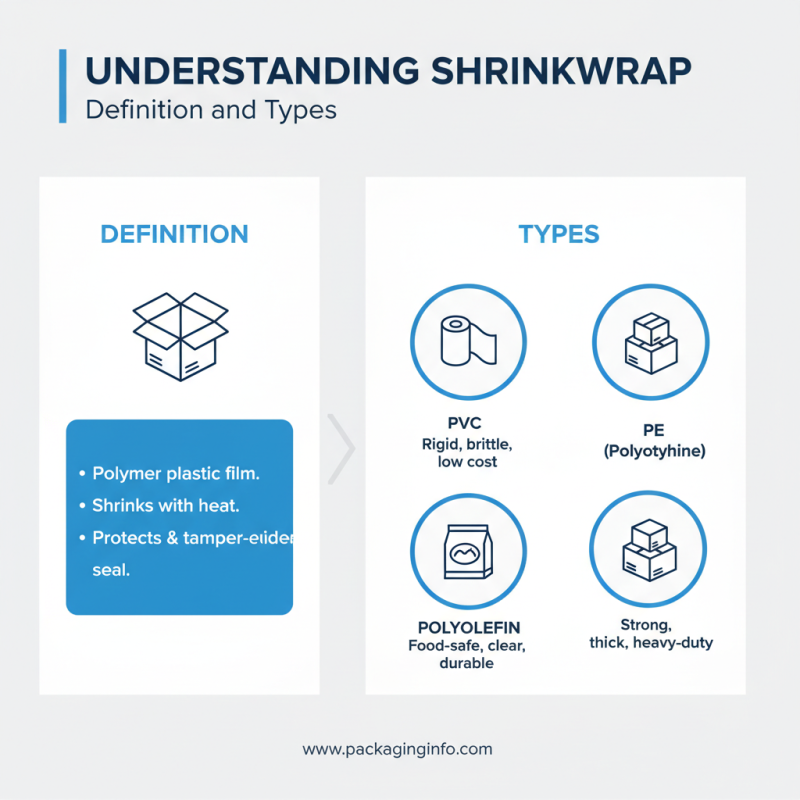
Understanding Shrinkwrap: Definition and Types
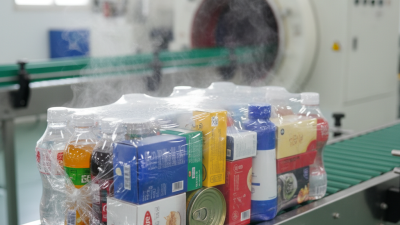
Shrinkwrap is a versatile packaging material widely used across various industries. It is a polymer plastic film that shrinks tightly over an object when heat is applied. This method provides not only protection but also a tamper-evident seal. There are several types of shrinkwrap, including PVC, Polyolefin, and PE. Each type has distinct properties, offering flexibility based on the specific requirements of the product.
In 2021, the global shrink wrap market size was valued at approximately $4.5 billion, with projections to grow significantly by 2028. This growth is driven by increased demand for packaging solutions that offer durability and cost-effectiveness. Industries ranging from food and beverage to consumer goods favor shrinkwrap for its efficiency and ability to maintain product quality during transportation.
Tips: Ensure that the temperature settings on your shrink machine are optimal. This prevents damage to the product while achieving a snug fit. Testing different types of shrinkwrap can reveal which ones meet your needs best. Don't overlook the potential for waste; consider how much material you actually need.
Benefits of Using Shrinkwrap for Packaging and Protection
Shrinkwrap offers a unique solution for packaging and protection in various industries. This versatile material provides a robust barrier against dust, moisture, and physical damage. Using heat, the shrinkwrap clings tightly around products, ensuring they stay in pristine condition during storage and shipping. Products like electronics, furniture, and food items benefit significantly from this method.
The benefits of shrinkwrap are significant. It enhances product visibility while maintaining a secure seal. Customers appreciate the clean and professional presentation of shrinkwrapped items. Additionally, it deters tampering, giving extra peace of mind. However, there might be challenges in achieving the perfect shrinkwrap application. Improper sealing could lead to damage or reduced effectiveness. Understanding how to use the equipment properly is crucial.
Sustainability is another concern. Some might question if shrinkwrap is environmentally friendly. While there are recyclable options, finding the right balance between protection and eco-friendliness can be tough. Discussing these aspects can lead to better practices in packaging. Overall, the advantages of using shrinkwrap are evident, but it is essential to address the imperfections and challenges it brings.
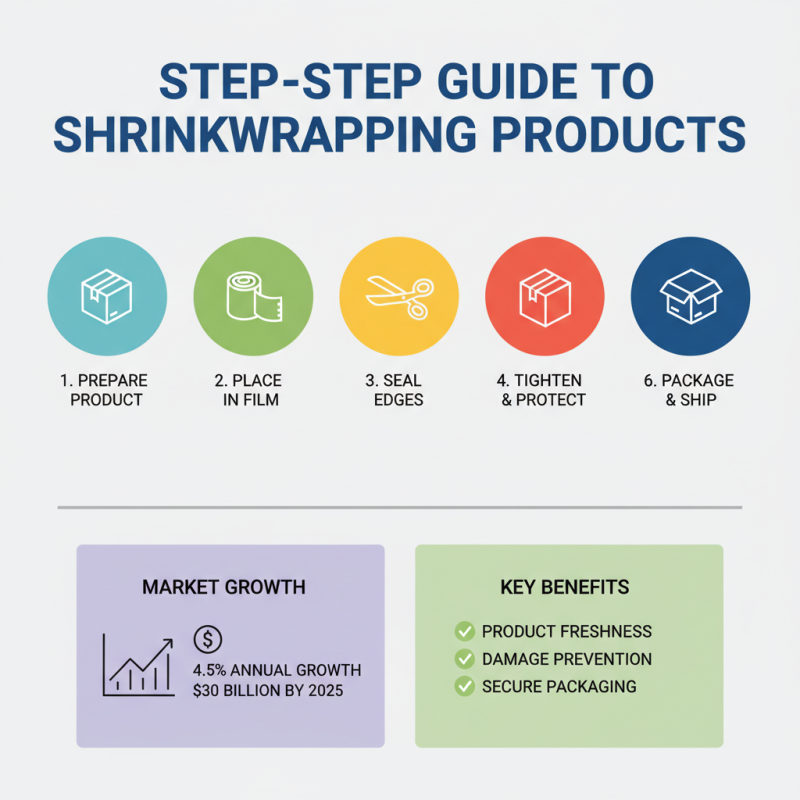
Step-by-Step Guide to Shrinkwrapping Products
Shrinkwrapping is an effective method for packaging and protecting products. It creates a tight seal around items, ensuring freshness and preventing damage. In fact, research indicates that the shrinkwrap market is expected to grow by approximately 4.5% annually, reaching a value of around $30 billion by 2025. This growth highlights the increasing importance of efficient packaging in various industries.
To start shrinkwrapping products, gather essential materials: shrink film, a heat source, and a suitable work surface. Make sure you choose the right film type, as it comes in different thicknesses. Thinner films are more flexible but less durable. Begin by placing the item on the work surface. Cut a piece of shrink film that is large enough to cover the item completely. Wrap the film around the product, ensuring there are no gaps. Secure the ends tightly with tape or adhesive.
Next, use a heat gun or shrink wrap machine to apply heat evenly. While the film shrinks, it may not adhere perfectly to all surfaces. This imperfection can sometimes leave air pockets or loose areas. These flaws may compromise the packaging's integrity, making it essential to practice and refine your technique. Regular assessments of your process can lead to better outcomes. Ultimately, shrinkwrapping, despite its challenges, remains a valuable tool in product protection.
Tips for Selecting the Right Shrinkwrap Material
Choosing the right shrinkwrap material is crucial for effective packaging and protection. Various materials have distinct properties that influence durability, clarity, and shrink characteristics. For instance, polyethylene is sturdy and offers good resistance to moisture. It is ideal for heavy items or outdoor applications. On the other hand, polyolefin is more versatile, providing a professional look while being softer and more flexible.
When selecting shrinkwrap, consider the size and shape of your products. A larger item might require thicker material to withstand the rigors of transportation. Think about how you want the package to appear. Clear shrinkwrap showcases your products well, while colored options can enhance branding. Don’t overlook the shrink temperature as well. Different materials require specific heating for optimal shrinkage. Improper temperatures can lead to inadequate seals or damaged products.
Always test a few samples. This approach helps you evaluate how the shrinkwrap interacts with your items. Reflect on the performance after trial runs. Did it hold up? Did the wrap tear? Actual usage provides critical insights that pre-purchase research cannot. Remember, the right choice might come from experimentation rather than immediate judgment.
How to Use Shrinkwrap for Packaging and Protection? - Tips for Selecting the Right Shrinkwrap Material
| Material Type |
Thickness (microns) |
Application |
Temperature Range (°C) |
UV Resistance |
| PVC |
50-300 |
General Packaging |
-30 to 70 |
Low |
| PE |
75-200 |
Food Packaging |
-40 to 90 |
Medium |
| Polyolefin |
100-300 |
Consumer Goods |
-20 to 80 |
High |
| PLA |
50-150 |
Eco-Friendly Packaging |
-5 to 60 |
Medium |
Common Applications of Shrinkwrap in Various Industries
Shrinkwrap is widely used across different industries for packaging and protection. In the food industry, shrinkwrap helps preserve freshness. It seals products tightly, preventing contamination. This method extends the shelf life of perishable goods like fruits, meats, and dairy. Shrinkwrap also provides a clear view of the product, enhancing customer appeal.
In the electronics sector, shrinkwrap protects delicate components. It safeguards against dust, moisture, and physical damage. Many manufacturers choose this method for its versatility and cost-effectiveness. However, improper application can lead to sealing issues, resulting in damaged goods.
The construction industry utilizes shrinkwrap for protective barriers. It shields equipment and materials from harsh weather. While it is effective, the installation process requires training. Mistakes can result in tears or dislodgment. Therefore, professionals must pay close attention during installation to ensure optimal protection.