2026 Top Trends in Packaging Using Grandyick PVC Shrink Film?
In the ever-evolving world of packaging, the significance of effective solutions like Grandyick PVC Shrink Film cannot be overstated. According to a recent report by Smithers Pira, the global shrink film market is projected to reach $10.37 billion by 2026, with a compound annual growth rate (CAGR) of 4.2%. This growth highlights the increasing demand for versatile and efficient packaging options.
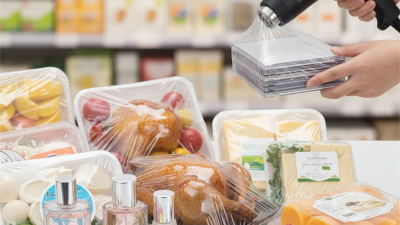
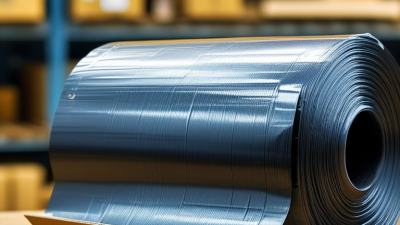
Grandyick PVC Shrink Film stands out for its reliability and adaptability. It provides protection against environmental factors while enhancing product visibility. This film is ideal for various applications, including food, beverages, and consumer goods. Industry analysts suggest that brands utilizing high-quality shrink film can see an improvement in shelf appeal, driving consumer choice. However, many companies still struggle to leverage this potential fully.
As the industry embraces sustainability, challenges arise. The reliance on PVC films has come under scrutiny due to environmental concerns. Balancing functionality with sustainability is crucial. While Grandyick PVC Shrink Film offers many advantages, brands must also consider alternatives and improvements. This reflection on packaging practices is essential for future innovations in the sector, ensuring both performance and environmental integrity.
2026 Packaging Trends: An Overview of Grandyick PVC Shrink Film
In 2026, the evolution of packaging will be significantly influenced by innovations in PVC shrink film.
This material offers a range of advantages, including durability and flexibility.
Brands are shifting towards eco-friendly options while maintaining product safety.
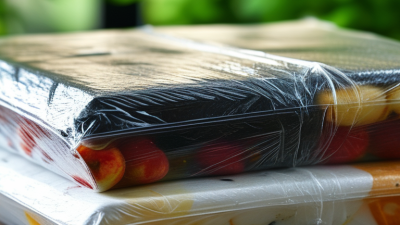
The Grandyick PVC shrink film stands out with its ability to protect products while being visually appealing.
It is lightweight and efficient, which reduces shipping costs.
The trend focuses on sustainability and consumer experience.
Shrink film can be printed with vibrant designs, attracting shoppers’ attention on crowded shelves.
However, there are challenges to consider. Not all films are recyclable, and manufacturers must address this shortcoming.
Consumers are increasingly aware of their choices. They prefer packaging that aligns with environmental values.
In addition, the application of shrink film will diversify in 2026.
From food packaging to electronic devices, its versatility is unmatched.
But, there’s a need for constant innovation. Ensuring that the film is not only effective but also environmentally responsible is crucial.
This balance will shape the future of packaging in an ever-evolving market.
Innovative Designs in PVC Shrink Film for Packaging Solutions
Innovative designs in PVC shrink film are transforming how products are packaged. This material allows for a sleek, protective layer that enhances the visual appeal of goods. The versatility of the film facilitates unique shapes and sizes. Brands are leveraging this potential to stand out on crowded shelves.
One exciting trend is eco-consciousness. Many designers are exploring how to reduce plastic waste while maintaining quality. Biodegradable options are carving a niche in the market, though challenges remain. Not all manufacturers have embraced this change, indicating room for improvement.
Additionally, incorporating vivid graphics and textures is gaining traction. Custom designs can communicate brand stories effectively. However, achieving consistency across products can be difficult. Brands must invest in quality control to ensure that every package tells the same story. Balancing aesthetics with practicality remains a crucial challenge in the industry.
Sustainability Advancements: Eco-Friendly Options in Packaging
Sustainability has become a key consideration in packaging design, particularly for industries relying on PVC shrink film. Recent data shows that over 50% of consumers prefer eco-friendly packaging options. Brands are increasingly looking for materials that not only provide durability but also minimize their environmental impact.
One promising approach involves using bio-based or recycled materials in packaging. Research indicates that packaging made from recycled content can reduce carbon footprints by up to 30%. Moreover, advancements in technology allow for the development of thinner films that maintain performance while reducing material usage. However, companies still face challenges in ensuring that these sustainable options meet the rigorous standards required for food safety and product protection.
Despite the positive trends, there's much room for improvement. Many eco-friendly packaging solutions still aren’t widely adopted due to cost and availability. The complexity of recycling processes also hinders consumer participation. Addressing these issues requires collaboration across the supply chain, ensuring that both consumers and manufacturers are informed and engaged in the transition toward sustainable packaging. Industry leaders must prioritize education and innovation, fostering an environment where sustainable practices flourish.
2026 Top Trends in Packaging Using Grandyick PVC Shrink Film
| Trend |
Description |
Sustainability Impact |
Market Adoption |
| Biodegradable Films |
Use of biodegradable materials in shrink film to reduce plastic waste. |
Significantly reduces environmental impact, promoting a circular economy. |
Growing rapidly in sectors like food and consumer goods. |
| Lightweight Packaging |
Adoption of lighter materials that decrease overall material usage. |
Reduces carbon footprint during transport and handling. |
Increasingly favored by logistics and distribution companies. |
| Recyclable Shrink Films |
Implementation of fully recyclable PVC shrink films. |
Supports recycling initiatives and reduces landfill waste. |
Adoption rate is expected to increase as recycling infrastructure improves. |
| Smart Packaging |
Incorporation of technology that tracks freshness and quality. |
Reduces food waste by ensuring better product monitoring. |
Increasingly used in high-value food products and pharmaceuticals. |
| Minimalist Design |
Focus on simple, eco-friendly designs that use less material. |
Promotes sustainability through less resource consumption. |
Widely embraced in various retail sectors for aesthetic appeal. |
The Role of Technology in Enhancing PVC Shrink Film Efficiency
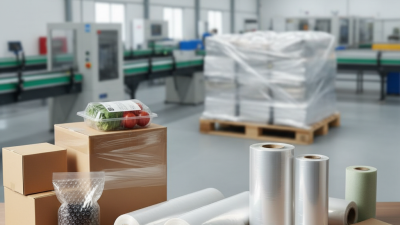
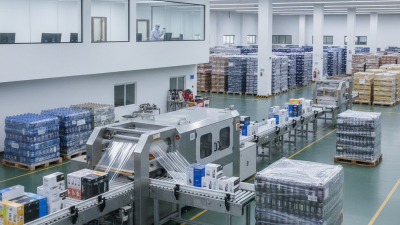
The evolution of packaging technology significantly enhances the efficiency of PVC shrink film. Advanced machinery now optimizes the shrink wrapping process. Automated systems reduce labor costs and increase packaging speed. These machines can quickly apply heat to shrink film, improving consistency. Operators often notice fewer errors during the packing process, though an adjustment period is necessary.
Moreover, innovations in film materials contribute to performance upgrades. New formulations provide better clarity and strength. This enhancement allows products to be displayed more attractively on shelves. Eco-friendly options are emerging, yet they may cost more initially. The balance between sustainability and cost-effectiveness remains a challenge. Companies must evaluate the long-term benefits against immediate expenses.
While technology plays a crucial role, it is not flawless. Technical malfunctions can disrupt production lines. Regular maintenance ensures that machines operate smoothly. Training for staff is vital, though sometimes overlooked. Understanding equipment limitations helps mitigate downtime. Embracing technology in PVC shrink film packaging brings substantial benefits but requires continual adaptation and learning.
2026 Top Trends in Packaging Using Grandyick PVC Shrink Film
Consumer Preferences: How Trends Shape Packaging Choices in 2026
In 2026, packaging trends will reflect consumer values more than ever. As we move toward sustainability, many consumers prefer eco-friendly materials. The demand for recyclable and biodegradable options has surged. This shift impacts design decisions among manufacturers. Brands are now reconsidering their strategies to appeal to environmentally conscious shoppers.
Customization will also dominate packaging choices. Consumers appreciate unique, tailored experiences. Packaging that reflects individual preferences will attract more attention on retail shelves. Vibrant colors, distinct shapes, and interactive features can enhance engagement. However, balancing creativity with functionality poses challenges. Brands must ensure that innovative designs do not compromise product protection.
Transparency is becoming crucial in the packaging dialogue. Consumers want to know what they are buying. Clear labels and responsible sourcing information are essential. This trend may mean additional investments for brands. While evolving consumer preferences bring opportunities, they also require reflection on production processes. Sustainability and transparency need to go hand in hand to build trust in a competitive market.