How to Use Grandyick Pvc Shrink Film for Packaging and Preservation?
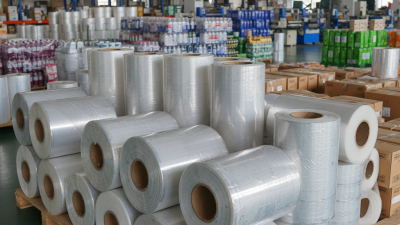
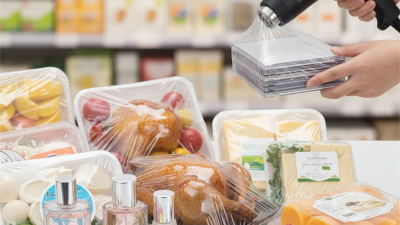
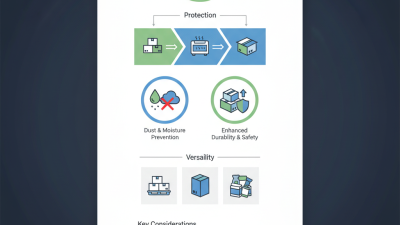
In the world of packaging, the right materials can make a significant difference. The Grandyick PVC Shrink Film stands out for its versatility and reliability. Whether for food preservation or product packaging, this film offers robust protection against dust and moisture. Users often appreciate its ability to create a tight seal, enhancing the shelf-life of various products.
However, not every attempt to use Grandyick PVC Shrink Film is seamless. Common challenges include incorrect heat application, which can lead to imperfect seals and wrinkles. It’s essential to understand the specific requirements for heating, as temperatures too high or too low may compromise the film's effectiveness. Proper experimentation can yield better results and improve skills.
Incorporating Grandyick PVC Shrink Film into your packaging process can elevate your product's presentation. It not only showcases quality but also assures customers that they are purchasing a well-preserved item. The learning curve can be steep, but with attention to detail and practice, the desired outcome becomes achievable. Understanding these nuances can transform how products are packaged and preserved in a competitive market.
Understanding Grandyick PVC Shrink Film and Its Advantages
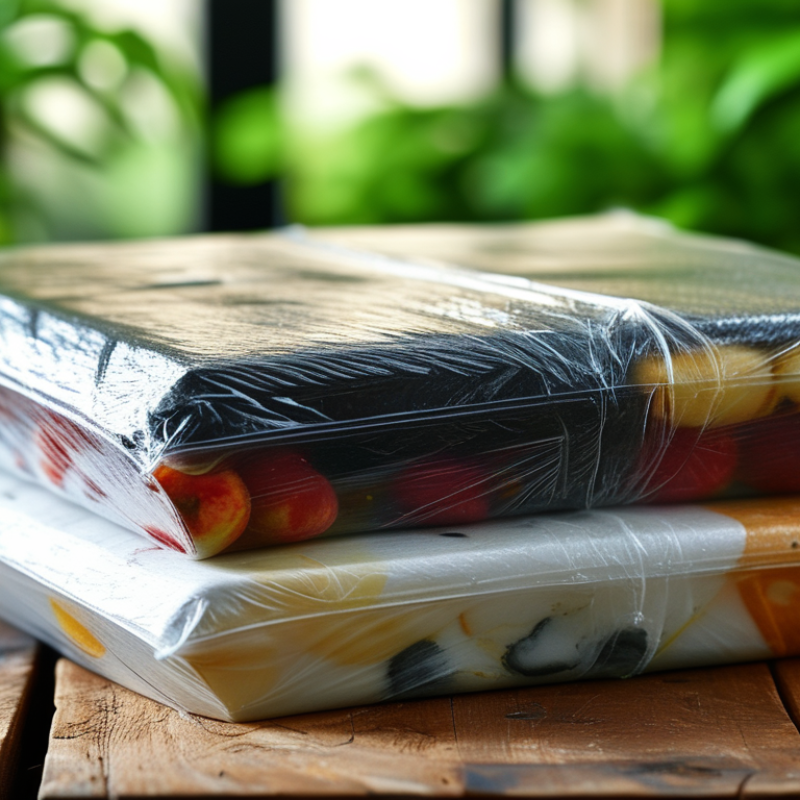
Grandyick PVC shrink film is a popular choice for packaging and preservation. This material provides a tight fit around products, ensuring they are secure and protected. Its flexibility allows it to conform to various shapes and sizes, making it suitable for different packaging needs. The durability of this film helps extend the shelf life of items, reducing waste and potential loss.
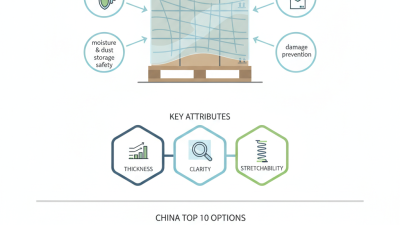
One of the key advantages of using PVC shrink film is its clarity. This transparency enhances product visibility, attracting consumers. The film also provides a barrier against dust and moisture. These properties help maintain quality, keeping products fresh for longer. However, improper application can lead to wrinkles or uneven shrinking, making it essential to practice and perfect the technique.
Tips: Make sure to select the right thickness of film for your products. Thicker films may offer more protection but can be challenging to work with. Always preheat the shrink tunnel carefully; this helps avoid scorching. Experiment with different temperatures and times to find what works best. When you minimize waste and maximize efficiency, it improves the overall packaging process.
Advantages of Grandyick PVC Shrink Film
This chart illustrates the various advantages of using Grandyick PVC Shrink Film for packaging and preservation. Each metric represents the strengths of the film, assessed on a scale from 0 to 100, showcasing its durability, clarity, sealing strength, shrink ratio, and cost-effectiveness.
Preparing Products for Packaging with PVC Shrink Film
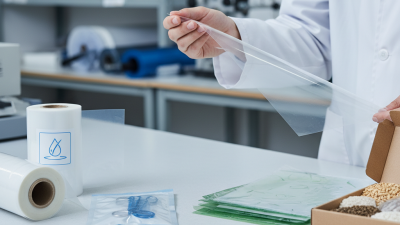
Preparing products for packaging with PVC shrink film involves several key steps. Start by ensuring that the products are clean and dry. Contaminants can affect seal quality, leading to spoilage. Data from the Flexible Packaging Association indicates that 80% of packaging failures stem from improper surface preparation.
Next, choose the correct thickness of shrink film. A thickness of 50 to 75 microns is common for light to medium products. Ensure you have reliable heat sources for the shrinking process. Inconsistent heat can cause uneven shrinking, which may lead to loose or damaged packages. Consider temperature control, as improper heating can reduce the film's effectiveness and give inconsistent results, with up to 30% of shrink film packages reported to have issues in temperature variance.
After packaging, regularly monitor the finished products. Evaluate the appearance and integrity of seals. Thinner films often require tighter supervision, especially under varying conditions. Reflecting on these practices is crucial. It's easy to overlook simple checks that can save resources and avoid waste. Regular reviews and adjustments based on observed outcomes will lead to improvements in packaging efficiency and product longevity.
Step-by-Step Instructions for Using PVC Shrink Film
Using PVC shrink film for packaging requires careful attention to detail. This film is known for its versatility and effectiveness. According to industry reports, over 1.8 million tons of shrink film were utilized worldwide in 2022, highlighting its popularity. Proper application techniques can ensure tighter seals and better product preservation.
Start by preparing the products. Ensure they are clean and dry. Imperfections on the surface might lead to inadequate sealing. Choosing the right gauge of shrink film is essential. A thickness between 75 and 100 microns is commonly recommended for most applications.
Once products are ready, cut the shrink film appropriately. Leave enough material to encase the item completely. After wrapping, use a heat source carefully. Aim for an even temperature distribution to prevent bubbling or uneven shrinkage. Aim for a snug fit, but allow a slight airflow to avoid overheating. Always monitor the process, as mistakes can result in wasted materials or damaged products. This method showcases the need for practice and attention to detail in achieving optimal results.
How to Use Grandyick Pvc Shrink Film for Packaging and Preservation
| Step |
Description |
Materials Needed |
Tips |
| 1 |
Prepare the items to be wrapped. |
PVC Shrink Film, Scissors |
Ensure items are clean and dry. |
| 2 |
Cut the shrink film to the appropriate size. |
Measuring Tape, Scissors |
Leave extra film for shrinkage. |
| 3 |
Wrap the items tightly with the film. |
PVC Shrink Film |
Avoid any wrinkles for better results. |
| 4 |
Use a heat source to shrink the film. |
Heat Gun, Oven |
Maintain a consistent distance from the film. |
| 5 |
Allow the wrapped items to cool. |
None |
Inspect for tightness and integrity. |
| 6 |
Store or ship the finished products. |
Boxes, Bubble Wrap |
Keep in a cool, dry place for preservation. |
Best Practices for Heating and Shrinking Film Effectively
When using PVC shrink film for packaging, effective heating is crucial. The ideal temperature range for shrinkage typically falls between 250°F to 300°F (121°C to 149°C). Overheating can cause the film to bubble or become damaged. This means maintaining a close watch on the heating process during production. Many operators overlook calibration, which can lead to inconsistency in shrinkage rates.
In terms of equipment, a heat gun provides precision. However, a shrinking tunnel can offer more uniform results over time. According to industry data, improper or uneven application of heat may result in a 30% increase in material wastage. Therefore, understanding the machinery is essential. Operators should test their equipment and ensure it consistently reaches the target temperatures.
It’s also important to choose the right shrink film thickness. A common choice is 2 mil, which strikes a balance between durability and flexibility. But using thicker films may sometimes cause challenges with heat penetration. This can lead to shrinkage issues. Regular training of operators on these nuances contributes to better outcomes. Engaging with professional training programs is beneficial for enhancing skills and knowledge in handling PVC shrink films effectively.
Storage and Preservation Tips for Shrink-Wrapped Items
When using shrink film for packaging, proper storage and preservation are essential. After sealing items with shrink film, ensure they are kept in a cool, dry place. This prevents moisture accumulation, which can lead to mold and degradation. Regular checks for any signs of damage, like tears or punctures, can help maintain the integrity of the packaging.
Keep shrink-wrapped items away from direct sunlight. Prolonged exposure to UV rays can weaken the film, reducing its protective qualities. It’s wise to avoid stacking heavy items on top of wrapped products. This might compress the film and compromise its seal. Remember, flaws in packaging can lead to spoilage or contamination.
Sometimes, even with care, imperfections occur. Identify the common pitfalls in your storage methods. Rethink your approach if items have shown signs of wear or spoilage. Take notes on what works best for your specific items. Understanding your environment is crucial for maximizing the benefits of shrink wrapping.