China Top 10 POF Shrink Film Suppliers for Global Buyers
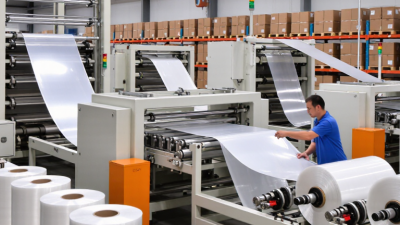
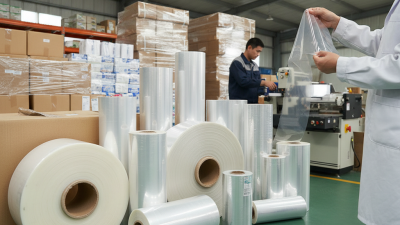
China has become a major production base for Pof Shrink Film used in beverage, food, printing, and consumer packaging. Global buyers often compare suppliers by more than price. Film clarity, shrink ratio, sealing performance, roll consistency, and delivery reliability can affect an entire packaging line.
This guide introduces ten Chinese suppliers serving international markets. It focuses on practical buying evidence, including product specifications, factory capabilities, export experience, quality controls, and customer support. Typical evaluation points include film thickness, width tolerance, shrinkage at controlled temperatures, tensile strength, coefficient of friction, and sealing behavior. Details matter. A film that looks clear under showroom lighting may still wrinkle around a sharp carton edge. Samples reveal flaws.
Supplier claims should be checked against technical data sheets, sample trials, audit records, and independent communication. Buyers should also confirm whether the producer manufactures POF film directly or relies on outside processing. That difference can influence traceability, customization, and response time when defects appear. No ranking is perfect. The most suitable partner depends on equipment, packaging format, order volume, and destination requirements.
The companies discussed here are presented for informed comparison, not automatic approval. Responsible sourcing includes checking certifications, packaging hygiene controls, production capacity, payment terms, and shipping documentation. Attention to these details can reduce costly interruptions after a container leaves China. This overview aims to give purchasing teams a clearer starting point, while recognizing that real performance must be proven on the buyer’s own machines.

POF Shrink Film: Definition, Features, and Main Applications
When comparing Chinese suppliers, global buyers often examine POF shrink film for clarity, strength, and consistent shrinking. POF means polyolefin shrink film, a multilayer packaging material designed to tighten around products when heated. Made from polyolefin resins, it usually offers balanced toughness and clean appearance. Under controlled heat, the film contracts evenly around boxes, bottles, trays, and irregular shapes. Clear and smooth.
POF film resists tearing better than many basic packaging films and produces fewer unpleasant odors during normal sealing. It also supports attractive retail presentation, because printed labels remain visible through the transparent surface. Yet performance depends on thickness, shrink ratio, sealing temperature, and machine settings. A specification can look right on paper and still disappoint on a fast packaging line. That deserves testing.
Common applications include food trays, household goods, stationery, cosmetics, toys, and bundled consumer products. It can protect surfaces from dust, light moisture, and handling marks during storage or transport. For industrial packaging, stronger grades may secure multiple small items into one stable pack. Global buyers should request technical data, production samples, and seal-strength results from Chinese manufacturers. Ask about roll width, core size, thickness tolerance, shrink direction, and recommended heating conditions. Samples matter. Poorly matched film may wrinkle, split at corners, or shrink unevenly. Real production trials often reveal problems that laboratory figures miss.
How to Evaluate Chinese POF Shrink Film Suppliers
China Top 10 POF Shrink Film Suppliers for Global Buyers
How to Evaluate Chinese POF Shrink Film Suppliers
Supplier evaluation should begin with measurable evidence, not attractive catalogs. A 2024 market assessment by Mordor Intelligence projects steady growth in the global shrink film market through 2030. This growth increases pressure on thickness control and delivery reliability. Ask for recent test reports covering thickness tolerance, tensile strength, shrink percentage, sealing strength, and haze. Confirm whether testing follows ASTM D2732 or equivalent methods. A practical trial matters more than a perfect specification sheet. Run the film on your own machine, at your actual temperature and speed.
Review production depth carefully. Check extrusion lines, clean-room controls, resin traceability, and inspection frequency. Request three months of quality records, not one selected report. Suppliers should explain how they handle roll telescoping, blocking, wrinkles, and inconsistent shrinkage. ISO 9001 certification supports process discipline, but it does not guarantee stable film performance. According to Smithers’ flexible packaging research, material efficiency and downgauging remain important industry priorities. Thinner film can reduce costs, yet poor strength may increase waste. That trade-off deserves real testing.
Tips: Compare samples from at least three factories. Record roll width, net weight, core size, and carton condition. Check whether quoted prices include testing, pallets, and export packaging. Ask for a written claim procedure and response time. Do not judge reliability from one successful shipment. I have seen good samples hide weak production controls. That possibility should shape your audit.
China’s Top 10 POF Shrink Film Suppliers for Global Buyers
China’s Top 10 POF Shrink Film Suppliers for Global Buyers
China’s top 10 POF shrink film suppliers serve food, household, printing, and retail packaging markets. This guide compares them through practical buying criteria, not advertising claims. Experience shows that stable film thickness matters more than a low quotation. Buyers should check seal strength, shrink ratios, clarity, and roll consistency before placing large orders.
The ten suppliers reviewed generally offer center-fold and single-wound films, with common thicknesses from 10 to 25 microns. Several support custom widths, printed cores, and carton labels for container loading. Reliable factories can provide technical data sheets, sample rolls, production photos, and batch inspection records. Ask for testing at your actual packaging speed. A film may perform well in a sample machine but wrinkle on another line.
Factory audits should examine extrusion equipment, clean storage, moisture control, and defect handling. Some suppliers offer competitive prices, yet communication can become slow after payment. That risk deserves attention. No ranking is perfect, because capacity and service quality can change during busy seasons. I would also question impressive claims without recent test data. Small details matter: a damaged core, uneven winding, or unclear carton markings can delay an entire shipment.
Supplier Comparison: Products, Certifications, Capacity, and Export Reach
China Top 10 POF Shrink Film Suppliers for Global Buyers
A serious comparison should begin with film performance, not catalogue language. The shortlisted suppliers should disclose thickness tolerance, shrinkage at 120–140°C, sealing strength, haze, and puncture resistance. A 2024 Smithers review identifies downgauging and packaging efficiency as major flexible-film market drivers. That makes stable thin-gauge production commercially important.
Certifications separate documented capability from sales claims.
Check ISO 9001 for quality systems, ISO 14001 for environmental management, and BRCGS or equivalent food-packaging controls where applicable. Suppliers should also provide batch-level test reports and evidence of compliance with destination-market food-contact requirements. The OECD’s Global Plastics Outlook reports 353 million tonnes of plastic waste in 2019, with packaging representing about 40%. Material reduction therefore deserves more attention than attractive certificates alone. Claims need checking.
Capacity data should show active lines, annual output, lead times, and backup equipment. A stated capacity is not the same as available capacity during peak seasons. Export reach can be tested through shipment records, port options, Incoterms, pallet specifications, and customs-document accuracy. Ask whether technical support covers trial runs and machine adjustments after arrival. This matters when shrink tunnels, film width, or sealing temperatures differ. A spreadsheet can still mislead. I would score the ten suppliers using weighted evidence: product consistency, certification validity, usable capacity, export reliability, and response quality. The weakest area is often after-sales troubleshooting, which many comparisons overlook.
How Global Buyers Can Select and Purchase from the Right Supplier
Choosing among China’s POF shrink film suppliers requires more than comparing price per kilogram. Grand View Research estimated the global shrink films market at about US$9.2 billion in 2023, with continued growth through 2030. That growth attracts new converters, but capacity alone proves little. Buyers should request recent COAs, thickness-tolerance records, and independent test results for shrinkage, haze, tensile strength, and seal performance. Samples reveal more.
A practical trial should match the buyer’s real packaging line. Test the film at actual tunnel temperature, speed, and product shape. Record wrinkles, fish-eyes, seal breaks, and roll telescoping. Ask whether resin batches are traceable and whether production dates appear on cartons. The supplier should explain lead time, minimum order quantity, packing protection, and Incoterms in writing. A factory audit can check laboratory equipment, storage humidity, and corrective-action records.
Grand View’s data supports market demand, not supplier quality. That distinction matters. My first supplier shortlist would remain a hypothesis until trial results and shipment consistency agree. A low quotation may hide uneven thickness or weak technical support. I would also verify claims through retained samples and third-party testing, rather than trusting polished presentations. No checklist is perfect. Unexpected customs delays, seasonal capacity pressure, or changing resin costs can still disrupt purchasing. A reliable supplier is therefore measured by transparent evidence, responsive problem-solving, and repeatable film performance—not by catalog language alone.