How to Choose the Best Heat Wrap Pof Film for Your Needs?
In the packaging industry, selecting the right materials is crucial. Heat Wrap Pof Film has gained popularity for its adaptability and durability. According to a recent report by MarketsandMarkets, the global shrink wrap film market is projected to grow significantly, reaching $4.8 billion by 2025. This growth highlights the increasing demand for effective packaging solutions.
Choosing the best Heat Wrap Pof Film involves understanding its characteristics. Factors like thickness, clarity, and seal strength play vital roles. Studies show that proper film selection impacts not only product protection but also aesthetics and shelf life. However, many users overlook key aspects, leading to suboptimal choices.
Evaluating various options requires expertise. The diversity in film types can be overwhelming. Consumers often face challenges in finding the ideal product for their needs. Misjudging the specifications can result in increased costs and wasted resources. Therefore, an informed decision is essential to ensure both functionality and value in packaging.

Factors to Consider When Selecting Heat Wrap POF Film
When selecting heat wrap POF film, various factors demand your attention. The thickness of the film is a critical point. Generally, a thickness of 20 to 30 microns is ideal for everyday packaging needs. Thicker films can offer more durability but may reduce sealing efficiency. It’s essential to strike a balance between strength and flexibility based on your specific application.
Temperature resistance also plays a significant role in the selection process. POF films can typically withstand temperatures up to 80 degrees Celsius. For applications that involve heat sensitivity, understanding the thermal properties of the film is vital. Conducting tests on the film’s performance under various conditions could yield insights into potential pitfalls. Many users report issues with insufficient sealing or film shrinkage, leading to packaging integrity concerns.
Finally, clarity and appearance are also essential factors. Clear films provide visibility, which is crucial for retail items. Research suggests that over 70% of customers prefer visually appealing packaging. Thin films may appear more transparent, but they could compromise strength. Assessing visual quality alongside functional performance will help ensure the right choice. Remember, evaluating these factors can lead to errors if not approached thoughtfully. Balancing them results in effective and reliable packaging solutions.
Different Types of Heat Wrap POF Films Available on the Market
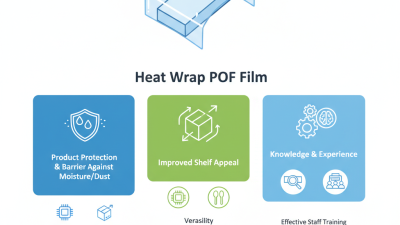
When selecting a heat wrap POF film, understanding the various types available on the market is essential. There are clear advantages to using each type, depending on your specific needs. For instance, shrink films are commonly used for packaging due to their ability to conform tightly around products. They offer excellent protection against dust, moisture, and other environmental factors. However, they may lack the elasticity some users desire.
Another type is the cross-linked POF film. This variant provides enhanced strength and durability, making it suitable for heavier items. It ensures that larger products stay securely wrapped during transport. Yet, consider that cross-linked films can sometimes be less flexible, making application a bit more challenging.
There are also biodegradable options emerging that cater to environmental concerns. These films are designed to break down over time, reducing landfill waste. However, the durability may not match traditional options, which is a trade-off some users might need to reflect on. Identifying the right type involves weighing protection and convenience against environmental impact and usability. Knowing these details equips you better to choose the best heat wrap film for your needs.
Evaluating the Quality and Durability of POF Films
When selecting the right POF film, evaluating its quality and durability is crucial. High-quality POF films are generally more reliable for various applications. Look for films that boast strong seals and resistance to punctures. This can save you from costly damages in your packaging process. Durability is paramount; it ensures your products remain protected during transport and storage.
Consider conducting a simple tear test. This can give you a quick assessment of the film's strength. Testing the film's heat seal integrity with controlled conditions can also reveal its reliability. Remember, a film that seals well under different environments often indicates superior quality.
Don’t overlook user feedback. Reviews can provide insights into long-term performance and common issues users face. Not all films are created equal, and experiences differ. Take note of any recurring complaints about durability. They might reflect underlying issues worth considering. Prioritizing these evaluations helps in making informed choices tailored to your specific needs.
Comparing Cost vs. Performance in Heat Wrap POF Films
When selecting the best heat wrap POF film, understanding the balance between cost and performance is crucial. According to industry reports, the average market price for heat wrap films typically ranges from $1.00 to $3.00 per square meter. However, this price varies based on the film's specifications, thickness, and clarity. While lower-cost options may appeal to budget-conscious buyers, they often compromise on durability or sealing properties. Buyers should consider potential costs of product spoilage or damage due to inferior wrapping.
Performance metrics play a significant role in determining value. Films with higher tensile strength provide better protection and are essential for fragile items. A leading industry study indicates that films with a thickness of 50-70 microns not only perform better but also improve packaging efficiency by up to 20%. This means that investing in a quality film could save operational costs over time through enhanced protection and reduced waste.
Additionally, some users may discover that their needs change over time. Initial choices based on short-term savings might require reevaluation. It’s not uncommon to hear feedback about films that fail under pressure or temperature fluctuations. Regular assessments can help in making better choices that align with evolving demands. Understanding these dynamics is key to making informed purchasing decisions in the heat wrap POF film market.
How to Choose the Best Heat Wrap Pof Film for Your Needs? - Comparing Cost vs. Performance in Heat Wrap POF Films
| Film Type |
Cost per Roll |
Film Thickness (microns) |
Shrinkage Rate (%) |
Performance Rating (1-5) |
| Standard POF Film |
$50 |
15 |
40 |
4 |
| Heavy-Duty POF Film |
$70 |
25 |
30 |
5 |
| Ultra Clear POF Film |
$65 |
20 |
35 |
4.5 |
| Eco-Friendly POF Film |
$75 |
18 |
38 |
4.2 |
| Colored POF Film |
$60 |
16 |
42 |
3.9 |
Applications and Usages of Heat Wrap POF Films in Various Industries
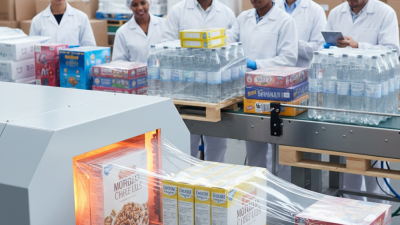
Heat wrap POF films have become vital across diverse industries due to their versatility and effectiveness. In food packaging, these films enhance freshness. They create a barrier against moisture and air. This is especially important for perishable goods. The clarity of the films allows consumers to see the product's quality. However, not all POF films are suitable for every application. Selecting the right thickness and seal strength can be challenging for newcomers.
In the pharmaceutical sector, heat wrap films provide crucial protection. They keep medications safe from environmental factors. Ensuring that these films comply with health regulations is essential. Yet, achieving the perfect balance between protection and visibility can be tough. Some companies struggle with choosing the right specifications, often leading to waste. In retail, the aesthetic appeal of packaging can influence purchasing decisions. A well-wrapped product looks more enticing. Still, achieving both functionality and appearance requires careful consideration.
Challenges exist in the printing and labeling processes too. Not every POF film accepts ink or adhesives well. This can lead to issues with branding and product information. Producers need to test their films with different inks to find the best match. While there are many advantages to heat wrap POF films, selecting the best one remains a task that requires careful thought and experimentation.
Applications of Heat Wrap POF Films in Various Industries