2026 How to Choose the Best PE Shrink Film for Packaging?
In the packaging industry, the choice of materials can significantly impact product safety and aesthetics. PE shrink film has emerged as a favored option due to its versatility and effectiveness. According to a 2022 market report by Smithers Pira, the global demand for shrink film is projected to reach 3.5 million tons by 2026, indicating a growing reliance on this material.
Selecting the best PE shrink film for packaging requires understanding various factors. The film's thickness, clarity, and shrinking characteristics can influence not just appearance but also product protection. Recent studies suggest that high-quality PE shrink film can reduce packaging waste by up to 30%, contributing to sustainability goals in manufacturing. Despite its advantages, not all PE films perform equally. Some may not provide optimal sealing or may degrade under certain conditions.
Expert insights reveal that businesses often overlook the importance of supplier reputation and film certification. Aligning with reputable manufacturers can provide better quality assurance. As the market evolves, it is crucial for companies to stay informed about innovations in PE shrink film technology and sustainability practices, ensuring that their packaging solutions are both effective and responsible. Understanding these nuances will lead to better choices that support both product integrity and corporate values.
Understanding PE Shrink Film: Types and Properties
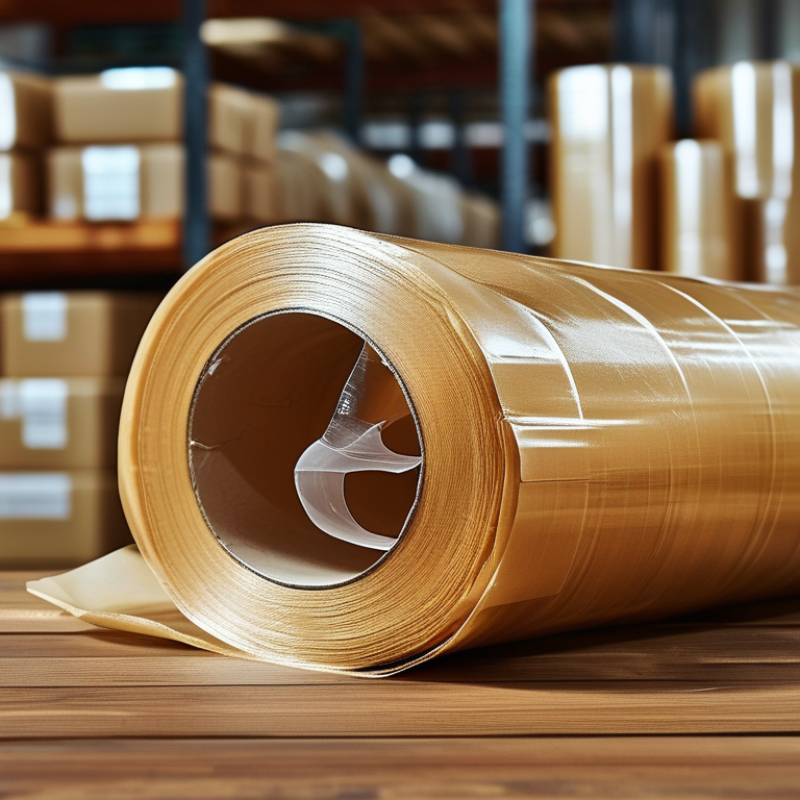
PE shrink film is widely used in packaging due to its versatility and strength. It comes in various types, each tailored for specific applications. The most common types include PVC, polyolefin, and polyethylene. Polyethylene (PE) shrink film is particularly known for its durability and low cost, making it a popular choice for many businesses.
Understanding the properties of these films is crucial for optimal usage. For instance, PE shrink film offers excellent clarity, enhancing product visibility. In 2021, data revealed that the demand for PE films in the packaging sector had grown by 4.3% annually. This trend continues as manufacturers seek sustainable solutions. Films with superior shrink ratios provide a tighter wrap, which minimizes product damage during transportation. However, not all PE films have the same thermal properties, making it essential to choose the right type for specific heating applications.
Adapting to evolving market needs can be challenging. The industry faces ongoing pressure to innovate while remaining cost-effective. Some films may not shrink uniformly, which can lead to packaging inconsistencies. It's vital to partner with suppliers who understand these nuances and can offer guidance based on empirical data. The right choice in PE shrink film not only enhances your product appeal but also contributes to lower overall costs.
Key Factors to Consider When Selecting PE Shrink Film
When selecting PE shrink film for packaging, key factors greatly affect your choice. The thickness of the film plays a crucial role. Thinner films tend to be more cost-effective but may lack durability. A study by Smithers Pira indicates that films thinner than 40 microns are often less reliable for heavy products.
Consider clarity as well. A high-clarity film enhances product visibility. This is vital for marketing and consumer appeal. Also, gauge your product's heat sensitivity. Some shrink films require higher temperatures to activate, potentially damaging sensitive items.
**Tip:** Always test a sample of the film under your specific conditions. This ensures optimal performance.
Evaluate your required shrink rate. Different films offer various shrink percentages. Films with higher shrink ratios can better conform to product shapes. Even slight variations in shrink rate can lead to packaging failures.
**Tip:** Consult technical data sheets for accurate shrinkage info.
Lastly, consider environmental impact. Many industries now demand eco-friendly options. Films made from recycled materials or those that are recyclable themselves are becoming more prominent in the market. Balancing performance and sustainability is essential for modern packaging choices.
Assessing Compatibility with Packaging Products and Equipment
When choosing PE shrink film for packaging, assessing compatibility with packaging products is essential. Not all shrink films are created equal. Each film type has unique properties that may affect the overall packaging performance. Research indicates that films with high clarity levels enhance product visibility, increasing consumer interest. According to a study by the Flexible Packaging Association, nearly 70% of consumers prefer clear packaging due to its perceived quality.
Compatibility with packaging equipment is equally critical. Not all machinery can handle the same materials effectively. A comprehensive industry report highlights that improper film selection can lead to a 25% increase in downtime during operations. This can disrupt production schedules and increase costs significantly. Regular testing on equipment is needed. Variations in temperature settings and sealing methods may change how films react, impacting productivity.
Environmental considerations are becoming more significant in film selection. Some films may not be suitable for recycling, and companies might face backlash over sustainability issues. A survey found that 58% of consumers are willing to pay more for eco-friendly packaging. This data suggests that businesses should reflect on their material choices carefully, not just for effectiveness but also for their environmental impact. Finding the right balance between performance and sustainability is a complex yet crucial task.
Analyzing Cost-Effectiveness and Environmental Impact
When evaluating PE shrink film for packaging, cost-effectiveness and environmental impact are crucial factors. According to a 2022 market analysis by Smithers, the global demand for polyethylene films is projected to reach 12 million tons by 2026. This surge raises concerns about sustainability. While PE films are affordable, their production contributes to significant plastic waste.
Transitioning to recyclable or biodegradable options can create long-term savings. Research indicates that biodegradable films can reduce landfill waste by 30%. However, they often come at a higher initial cost. Companies face a dilemma: invest in sustainable materials or stick to cheaper, traditional PE films. Each choice has environmental ramifications.
End-of-life disposal must also be considered. A recent study found that only 9% of plastics are recycled globally. Consumers increasingly prefer eco-friendly brands. This consumer pressure can influence companies to rethink their packaging strategies. Ultimately, making an informed choice requires balancing budget constraints with environmental responsibility. The need for accountability in packaging choices cannot be overstated.
2026 How to Choose the Best PE Shrink Film for Packaging?
Evaluating Performance: Durability and Aesthetics in Use
When selecting PE shrink film for packaging, performance evaluation is crucial. Durability plays a vital role. A strong film resists tears and punctures during transit. Industries face challenges with fragile items, requiring robust solutions. Testing various thicknesses can reveal how well they withstand stress. An average thickness of 75 to 100 microns is common, but this may not fit every need.
Aesthetics also matter in packaging. The appearance can impact customer perception. A shiny, clear film enhances visual appeal. Meanwhile, a dull finish may not attract attention. Achieving a balance between strength and look is essential. It is important to analyze whether durability sacrifices aesthetics. Some films show signs of wear after minimal use, risking your product's presentation. This reflection helps you find suitable options without unnecessary trade-offs.
Consider the environmental impact too. Some films may provide exceptional performance but are not eco-friendly. Weighing the benefits against sustainable practices is crucial. Valuable insight can be gained from market trends about consumer preferences for eco-friendly materials. Striking the right balance is a nuanced task. The pursuit of the ideal PE shrink film requires thoughtful analysis and consideration of multiple factors.