2026 Best Shrinkwrap Options for Global Buyers to Consider?
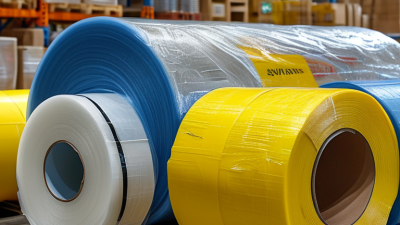
Shrinkwrap has become a crucial packaging solution in various industries, from shipping to retail. According to a recent market study, the global shrink wrap market is projected to grow at a CAGR of 4.5% through 2026. This growth is driven by increasing demand for efficient packaging and product protection.
In choosing the best shrinkwrap options, buyers must consider several factors, including material type, thickness, and environmental impact. Notably, PVC and polyolefin films are popular for their durability and clarity. However, recent shifts toward eco-friendly materials indicate a need for more sustainable options. Consumers and businesses alike are ending their reliance on traditional packaging solutions that contribute to waste.
As the market evolves, challenges remain. Many buyers struggle with balancing cost and quality. Additionally, not all shrinkwrap products are created equal, leading to potential issues in performance and environmental safety. Consequently, selecting the right shrinkwrap is a significant decision that demands careful consideration and reflection on one's packaging needs.

Overview of Shrinkwrap and Its Applications in Various Industries
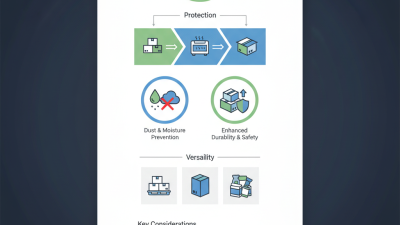
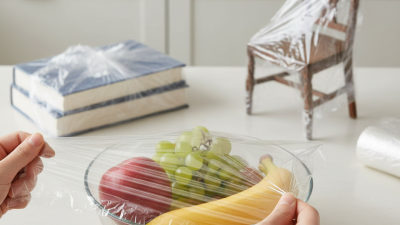
Shrinkwrap is a flexible plastic film widely used across various industries. It provides a secure packaging solution that conforms to the product’s shape, offering protection from dust, moisture, and physical damage. In 2022, the global shrink wrap market reached USD 10.5 billion, with a projected growth rate of 3.6% annually through 2030. This steady growth reflects its essential role in packaging for both industrial and consumer goods.
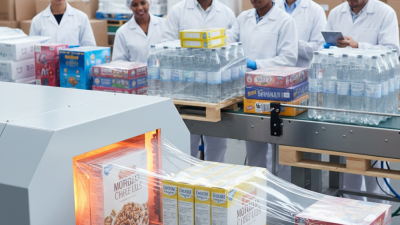
In the food sector, shrinkwrap plays a crucial role. It not only extends shelf life but also enhances product visibility. According to industry reports, about 60% of food products now utilize shrink-wrapping technology. This method is particularly valuable for ready-to-eat meals, providing freshness and hygiene. However, challenges remain in the use of certain plastic materials that may not be environmentally friendly.
The electronics industry also benefits from shrinkwrap. This method protects sensitive devices during transport and storage. However, there is an ongoing concern about the recyclability of these materials. Many manufacturers are exploring bio-based shrink films to address sustainability issues. This shift highlights the industry's recognition of environmental impact, though implementation remains inconsistent. The transition to sustainable options requires continuous research and innovation.
Key Factors to Consider When Selecting Shrinkwrap Types
When choosing shrinkwrap, consider the material's durability. Various options exist, from polyethylene to PVC. Each type offers unique advantages and limitations. A robust material enhances protection during shipping, especially in harsh conditions. Thicker films tend to provide better resistance to punctures. However, they can be more challenging to handle.
Temperature tolerance is another crucial factor. Different shrinkwraps perform differently under extreme heat or cold. Selecting the right type helps maintain product integrity. Assess the environment where the shrinkwrap will be used. For instance, freezing temperatures may require specialized films. Reflect on the specific needs of your products, as mismatched selections can lead to damage.
Don't overlook the shrinkage ratio. This defines how much the film shrinks when heated. A higher ratio ensures a snug fit around irregular shapes but may complicate application. Learning from experiences with different ratios can guide future selections. Balancing performance and ease of use is vital. Ultimately, thoughtful consideration of these factors leads to better shrinkwrap choices.
Top Shrinkwrap Materials for Durability and Cost-Effectiveness
When selecting shrinkwrap materials, durability and cost-effectiveness are key factors. Many buyers face challenges in balancing these attributes. Polyolefin is a popular option for its excellent strength and flexibility. It easily conforms to products, providing a tight seal. Another choice is PVC shrinkwrap, known for its clarity and good puncture resistance. This material is widely used in various industries for its reliable performance.
Choosing the right thickness can be a game-changer. Thicker films often offer better protection but may increase costs. Consider the specifics of your products. Lightweight items may not require heavy-duty materials. Testing different options can lead to better budgeting and efficiency. It’s not uncommon to find that the best fit is a compromise between durability and expense.
Pay attention to environmental impacts too. Some materials are more recyclable than others. Not all shrinkwrap is created equal in terms of sustainability. Engaging with suppliers can provide clarity on eco-friendly options. Be open to learning about the latest advancements in materials—innovation is ongoing.
Sustainable Shrinkwrap Options and Their Environmental Impact
The growing demand for sustainable shrinkwrap options reflects a shift towards eco-friendly packaging solutions. Consumers increasingly seek products that minimize environmental impact. Traditional shrinkwrap often relies on petroleum-based plastics, which contribute to pollution and waste. In contrast, biodegradable or compostable shrinkwrap options offer a more responsible choice. These materials break down naturally, reducing landfill contributions.
However, the transition to sustainable alternatives poses challenges. Not all biodegradable options perform as effectively as conventional wraps. There may be concerns about durability and shelf-life. Educating businesses on these alternatives is crucial. Industry professionals must assess the balance between sustainability and functionality in packaging. Investing in research can help develop materials that meet both needs.
As the market evolves, collaboration between manufacturers, suppliers, and consumers becomes vital. Transparency in sourcing and production processes is essential for building trust. Buyers must remain informed about the true environmental impact of their choices. Engaging in continuous dialogue and reflection on packaging practices will shape a sustainable future. Embracing innovation while remaining aware of limitations can lead to improved outcomes for both businesses and the planet.
Global Suppliers and Market Trends forShrinking Solutions in 2026
As we approach 2026, the landscape for shrinkwrap solutions is evolving rapidly. Buyers are now more focused on eco-friendly materials and sustainable practices. Suppliers are responding by offering biodegradable shrinkwrap options. This trend reflects a growing awareness of environmental impact. However, not all suppliers can guarantee quality in these materials. It’s essential for buyers to conduct thorough research before committing.
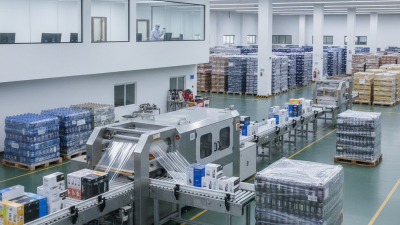
Market trends indicate a shift towards automation in shrinkwrapping processes. High-tech machinery is making packaging faster and more efficient. Yet, this transition may pose challenges for smaller suppliers. They might struggle to afford the latest technology. It's crucial for them to find reliable partners or explore shared resources to remain competitive.
Innovation continues to shape shrinkwrap solutions. Advanced technologies are enhancing durability and user-friendliness. However, with these developments come new complexities. Buyers must stay informed about the effectiveness and practicality of these innovations in real-world applications. Community feedback and expert consultations are invaluable in this decision-making process.