2026 Top Trends in Pe Shrink Film What You Need to Know
In the ever-evolving world of packaging, 2026 promises to bring significant innovations in PE shrink film. This material is widely used across industries for its versatility and durability. Manufacturers are continuously seeking ways to enhance PE shrink film properties, focusing on sustainability and efficiency. As consumer demands shift, solutions must adapt.
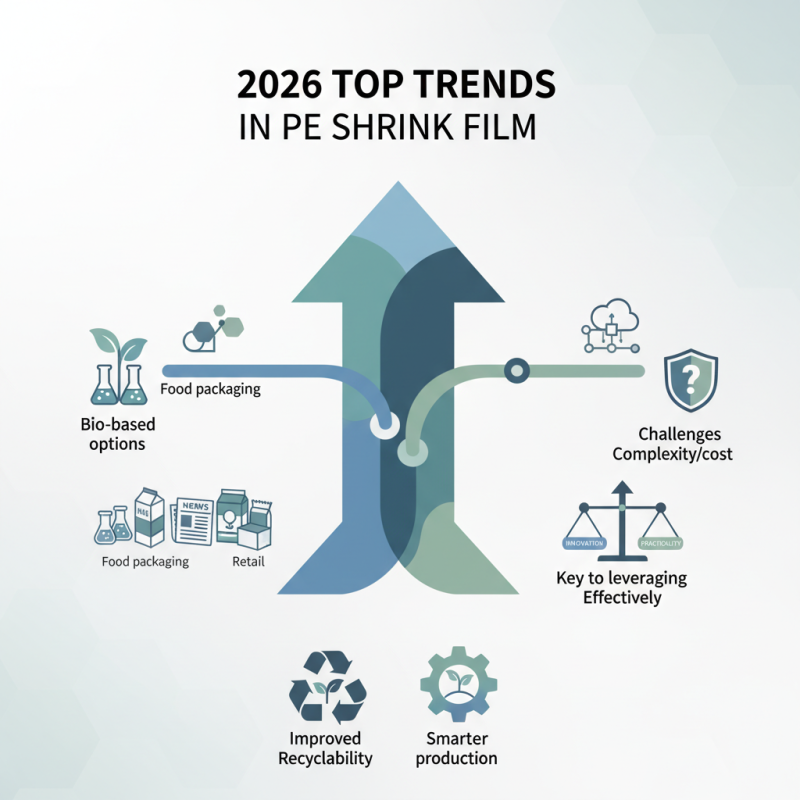
Trends in PE shrink film will revolve around improved recyclability and reduced environmental impact. Companies need to understand these changes to remain competitive. Experts foresee a surge in bio-based options and smarter production techniques. This shift will affect industries from food packaging to retail.
However, challenges remain in this dynamic landscape. Not every new trend will prove successful. Some may lead to increased costs or complexity. It is essential for businesses to evaluate these developments critically. Understanding the balance between innovation and practicality is crucial for leveraging PE shrink film effectively.
2026 PE Shrink Film Market Overview: Key Statistics and Insights
The PE shrink film market is projected to grow significantly over the next few years. Key statistics indicate an increasing demand driven by its versatile applications in packaging. Many industries recognize the benefits of using PE shrink film, ranging from food to electronics. The film is favored for its durability and efficient sealing capabilities.
When evaluating the PE shrink film landscape, consider the importance of sustainability. Many manufacturers are exploring eco-friendly alternatives. This trend reflects a growing awareness of environmental responsibilities. However, the transition can be challenging. Some traditional materials still dominate the market.
Tips: Always assess the specific requirements of your packaging needs. Test different types of films to find the most suitable one. A thorough understanding can help avoid future setbacks. Don't overlook the necessity for proper storage conditions. Improperly stored films can lead to degradation. This degradation impacts performance, resulting in a waste of resources. Choose wisely to minimize long-term costs.
Environmental Sustainability Trends in PE Shrink Film Production
Environmental sustainability is becoming crucial in the production of PE shrink film. Many manufacturers are now prioritizing eco-friendly practices. They aim to reduce plastic waste and improve recycling rates. The use of renewable resources is on the rise. New technologies are emerging to create biodegradable alternatives.
These advancements help diminish environmental impact. However, challenges remain. Not all biodegradable materials break down efficiently in all conditions. The understanding of their lifecycle is still developing. Companies need thorough testing to ensure performance and safety. Awareness and education about these materials are equally important. Even with progress, the packaging industry has a long way to go.
Ultimately, achieving environmental sustainability in PE shrink film is complex. Collaboration among manufacturers, customers, and regulators is vital. Everyone must participate in creating a greener future. This collective effort can drive innovations that benefit both the industry and the planet. Balancing environmental responsibility with functionality presents a continuous challenge. As the demand for sustainable solutions grows, so does the need for reliable information and practices.
2026 Top Trends in PE Shrink Film - Environmental Sustainability Trends
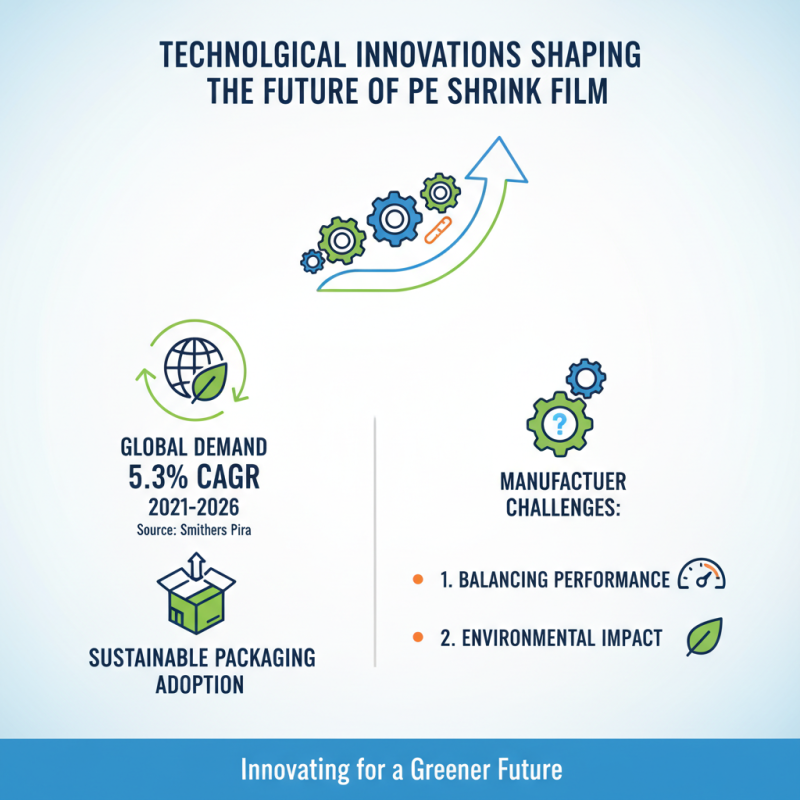
Technological Innovations Shaping the Future of PE Shrink Film
The landscape of PE shrink film is shifting due to rapid technological innovations. As reported by Smithers Pira, the global demand for PE shrink film is projected to grow at a CAGR of 5.3% from 2021 to 2026. This growth reflects the increasing adoption of sustainable packaging solutions. However, many manufacturers face challenges in balancing performance with environmental impact.
Recent advancements have introduced biodegradable options that meet industry standards without sacrificing quality. A study by Market Research Future highlights that the demand for eco-friendly materials is set to rise, accounting for over 30% of the total market share by 2026. These innovations not only cater to consumer preferences but also align with stricter regulations aimed at reducing plastic waste.
Yet, the transition to sustainable options is not without hurdles. Some biodegradable films still exhibit limitations in strength and shelf-life. Additionally, the cost associated with these materials remains higher than conventional films. As the market evolves, continuous research and development will be crucial in addressing these issues, ensuring that PE shrink film remains both functional and sustainable for future applications.
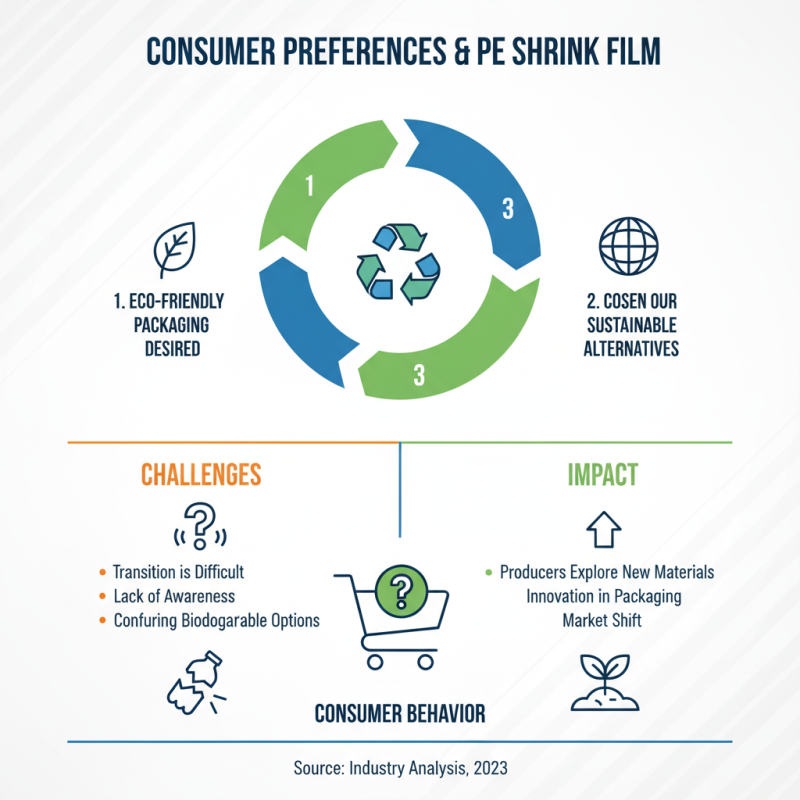
Consumer Preferences and Behavior Impacting PE Shrink Film Usage
Consumer preferences play a significant role in the usage of PE shrink film. Many consumers are now prioritizing eco-friendly packaging solutions. They are concerned about plastic waste and its environmental impact. This shift in mindset encourages producers to explore sustainable alternatives. However, the transition can be challenging. Not all consumers fully understand biodegradable options available in the market.
Behavioral patterns also shift how PE shrink film is utilized in retail. Shoppers seek products that are secure and visually appealing. PE shrink film provides excellent clarity and strength. Yet, its aesthetic values may sometimes take precedence over functionality. This disconnect can lead to waste if products are not properly designed for reuse. Companies must navigate these complexities to stay relevant.
Additionally, trends indicate consumers crave convenience. They prefer easy-to-open packages that maintain product freshness. This demand could create pressure on manufacturers to innovate. While focusing on user-friendly designs, it's important not to compromise on quality. Balancing these needs can be a tricky endeavor, and brands must remain vigilant.
Global Regulatory Changes Affecting PE Shrink Film Industry Dynamics
The global landscape for PE shrink film is shifting significantly due to regulatory changes. The European Union has initiated several policies aimed at reducing plastic waste. These regulations demand greater sustainability in packaging materials, impacting how PE shrink films are produced and utilized.
According to a recent market analysis by Smithers, a consultancy firm for the packaging industry, global demand for PE shrink film is projected to grow at a CAGR of 4.2% through 2026. However, companies face challenges in adapting to new eco-friendly materials. This transition might hinder growth in the short term, as producers must navigate both compliance and innovation.
In addition, the United States is also tightening regulations. New mandates will impact the import and export of plastic materials. Analysts warn the industry may experience disruptions in supply chains. This uncertainty calls for strategic planning and increased collaboration among manufacturers, suppliers, and regulatory bodies to ensure compliance and maintain market stability.
2026 Top Trends in Pe Shrink Film What You Need to Know
| Trend |
Description |
Impact of Regulatory Changes |
Market Growth Rate (%) |
| Sustainability Focus |
Increasing demand for eco-friendly materials and biodegradable films. |
Stricter regulations on plastic use lead to innovation in sustainable options. |
8.5% |
| Technological Advancements |
Improved manufacturing techniques enhancing product performance. |
Regulatory compliance drives investment in cutting-edge technology. |
7.2% |
| Consumer Awareness |
Growing consumer demand for transparent and ethical packaging options. |
Enhanced regulatory frameworks to protect consumer rights shift market dynamics. |
9.0% |
| Customization Trends |
Increased demand for tailored packaging solutions for specific products. |
Regulatory guidelines encourage innovation in product design. |
6.8% |
| Supply Chain Transparency |
Demand for clearer supply chains to ensure quality and ethical sourcing. |
Regulations mandate greater disclosure and reporting from manufacturers. |
5.5% |