inquiry
Leave Your Message

2026 Best Heat Shrink Film Types for Global Buyers

Global packaging buyers enter 2026 with tighter cost targets, changing sustainability expectations, and more demanding retail standards. Heat Shrink Film remains a practical solution for bundling, labeling, protecting, and presenting products. Yet the right choice depends on the package, machine, climate, and distribution route. That assumption deserves challenge. No single film wins every application.

This guide examines common types, including PE, PVC, polyolefin, and PETG shrink films. Each grade behaves differently during heating, sealing, storage, and transport. In production trials, film thickness often affects more than material cost. It can influence puncture resistance, shrinking force, package appearance, and sealing stability. A clear bottle multipack may need different performance from a heavy carton bundle. Humidity and temperature changes can also expose weak film selection.

Real purchasing decisions require measurable evidence. Buyers should review shrink ratios, gauge tolerance, tensile strength, seal performance, clarity, and available widths. Supplier samples should be tested on the actual packaging line, not only in laboratory conditions. Certification documents, traceability records, and quality-control procedures also deserve careful review. Claims about recyclability or reduced material use must be verified against the finished package and local requirements. Some recommendations may appear obvious, but practical results can still vary. That is why experienced buyers compare several samples before approving a long-term supply contract. This 2026 overview connects technical details with real sourcing concerns, helping global buyers select Heat Shrink Film with greater confidence and fewer costly surprises.
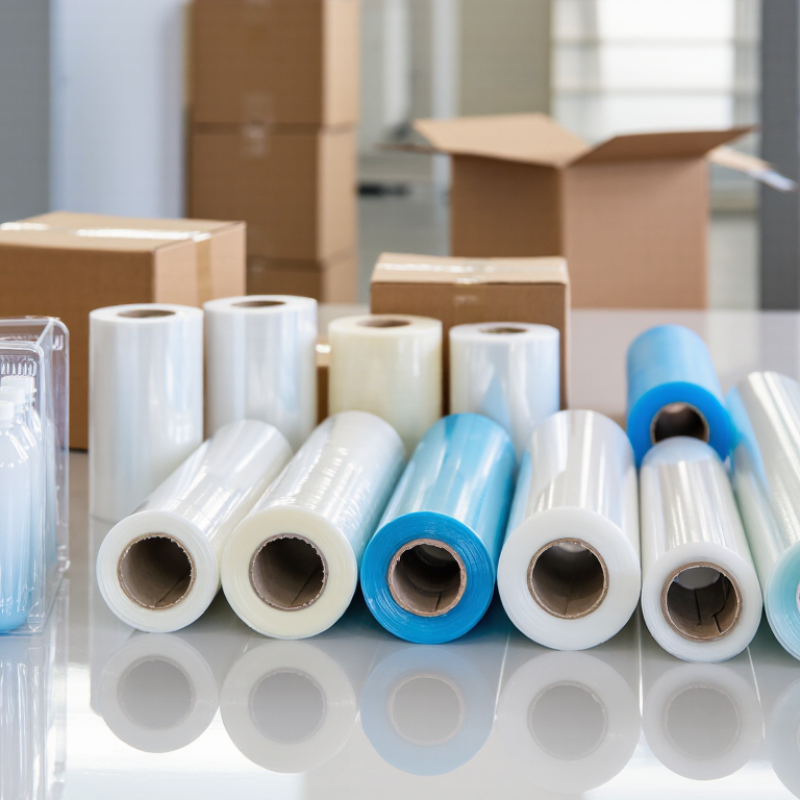
2026 Best Heat Shrink Film Types for Global Buyers

What Heat Shrink Film Is and How It Works

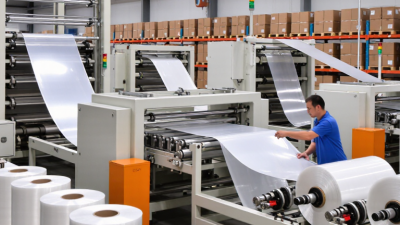
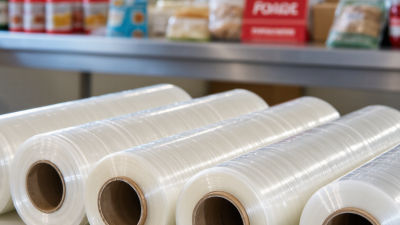
Heat shrink film is a thermoplastic polymer film designed to contract when heated. During manufacturing, the film is stretched in machine or transverse directions, then cooled. Heat releases this stored orientation. The film tightens around a product, tray, or bundle. Most systems use polyethylene, polyolefin, PVC, or PETG, depending on strength, clarity, and application. PE suits heavy transport packs. Polyolefin offers clearer presentation and balanced sealing. PETG is commonly selected for shrink labels.

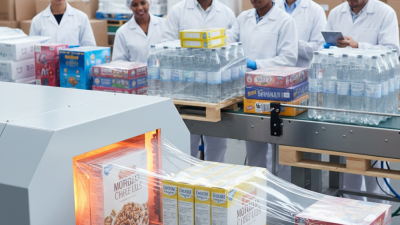
The process is simple, but temperature control matters. A sealing jaw closes the film, while a shrink tunnel usually applies controlled hot air. Typical tunnel temperatures range from 120°C to 200°C, depending on polymer thickness and line speed. Excess heat can create holes, wrinkles, or weak seals. Insufficient heat leaves loose panels. It happens often. Film thickness, shrink ratio, package shape, and humidity must be tested together. The International Trade Centre reports that plastics and articles made from plastics remain a major global traded category, increasing demand for consistent packaging materials.

Global buyers should also examine material efficiency and recovery options. The OECD’s Global Plastics Outlook reported that global plastic waste reached 353 million tonnes in 2019. That figure makes lightweighting important, but thinner film is not automatically better. Smithers’ 2024 packaging forecast identifies flexible packaging as a large and expanding global segment through 2028. Buyers should request shrink-force data, seal-strength results, and recycled-content documentation. Laboratory performance may differ from factory performance. That gap deserves attention.


Main Heat Shrink Film Types and Their Material Differences

Heat shrink film selection starts with polymer chemistry, not appearance. Polyolefin film, usually PE or POF, offers balanced clarity, toughness, and reliable sealing. POF is often thinner and clearer, while PE provides stronger bundling for heavier cartons. Both can shrink evenly when temperature and airflow are controlled. Small settings matter.

PVC film can produce strong shrink and good shelf visibility, but it may become brittle in cold storage. Its processing conditions also need careful control. PETG film delivers high shrink force and excellent clarity, making it useful for contoured containers and tamper sleeves. It requires more precise heating than many polyolefin grades. PET film is not always a direct substitute; it offers strength and dimensional stability, but limited shrink performance in some packaging designs. That difference is easy to miss.

For global buyers, compare thickness, shrink ratio, sealing range, puncture resistance, and recyclability claims. Ask for technical data, then test actual products on the intended machine. A film that works on a laboratory sample may wrinkle on a fast production line. We have seen humidity, tunnel temperature, and film storage change results. Do not trust one trial. Review packaging weight, transport distance, and local disposal expectations before approving a material. There is no universal best type. Sometimes the cheaper film creates more waste through failed seals, although this must be measured rather than assumed.

2026 Best Heat Shrink Film Types for Global Buyers - Main Heat Shrink Film Types and Their Material Differences

Film Type Base Polymer Typical Shrink Direction Typical Shrinkage Range Typical Sealing or Shrink Temperature Main Material Characteristics Common Applications Key Buyer Advantages Important Limitations Recycling and Compliance Considerations
Polyolefin (POF) Cross-linked or non-cross-linked polyolefin, commonly based on polyethylene and polypropylene structures Usually balanced or controlled cross-directional shrinkage; available in center-folded and single-wound formats Approximately 40%–70%, depending on grade, thickness, and orientation Typically shrinks in the range of 120–180°C; exact settings depend on equipment and film construction Clear, strong, flexible, low odor, good puncture resistance, and suitable for direct contact with many packaged products Food multipacks, bakery items, cosmetics, toys, books, household goods, and retail bundles High clarity Good toughness Wide equipment compatibility Good presentation Requires correct heat control; some structures are difficult to recycle when multilayered or combined with incompatible materials Polyolefin structures may be compatible with polyethylene or polypropylene recycling streams only when the exact film composition and local collection rules permit it. Food-contact compliance must be verified for the destination market.
Polyethylene (PE) Low-density polyethylene (LDPE), linear low-density polyethylene (LLDPE), or related polyethylene grades Commonly used in machine-direction or cross-direction shrink film; orientation varies by product design Approximately 20%–70%, with heavy-duty grades often using lower shrink levels Typically shrinks or seals around 120–180°C, depending on grade, gauge, and packaging line Flexible, moisture-resistant, impact-resistant, and suitable for larger or heavier loads; generally less glossy than POF Industrial pallet wrapping, construction materials, lumber, beverage bundles, large cartons, and heavy products High impact resistance Good moisture barrier Suitable for heavy loads Flexible gauge options Lower clarity and stiffness than many POF films; may require stronger sealing equipment and careful control of film tension Monomaterial PE films can be suitable for polyethylene recycling streams where collection and film-recycling infrastructure exists. Additives, inks, laminations, and contamination may affect recyclability.
PVC Shrink Film Polyvinyl chloride (PVC), normally plasticized or modified for shrink-film processing Frequently designed for strong cross-directional shrinkage Approximately 40%–65% Typically processed at approximately 100–160°C, depending on film grade and application Good clarity, strong shrink response, relatively low cost, and good surface appearance for small packages Overwrap for boxes, stationery, small consumer products, gift packaging, and some non-food retail packaging Good clarity Strong shrink effect Low equipment investment Can release corrosive hydrogen chloride during thermal decomposition or overheating; less favored for many food and sustainability-sensitive applications PVC requires separate handling from polyolefin films. Local regulations, waste infrastructure, plasticizer requirements, and food-contact rules should be checked before purchase.
PETG Shrink Film Polyethylene terephthalate glycol-modified (PETG) Usually high cross-directional shrinkage, often used for sleeve labels Approximately 60%–80%; high shrink grades can exceed this range Typically activated at approximately 70–100°C, with exact conditions depending on label design and tunnel performance High clarity, high stiffness, excellent printability, and strong shrink performance around contoured containers Full-body labels, tamper-evident sleeves, shaped bottles, personal-care containers, and household-product packaging Very high shrinkage Excellent graphics Good dimensional accuracy Suitable for complex shapes Can interfere with bottle recycling if not removed or separated; higher material cost than basic PE or PVC options PETG sleeves are different from PET bottle material and may disrupt PET recycling when mixed into the bottle stream. Perforations, wash-off designs, or approved separation systems may improve compatibility.
OPS Shrink Film Oriented polystyrene (OPS) Primarily high cross-directional shrinkage for sleeve-label applications Approximately 50%–75% Typically activated at approximately 70–100°C, depending on grade and processing conditions Low density, good transparency, good printability, and relatively low stiffness after shrinking Wrap-around or full-body labels for beverage, food, personal-care, and household-product containers Low density Good print surface Suitable for contoured packs More brittle than many polyolefin films; limited heat resistance and possible recycling-stream incompatibility with PET containers OPS should not be treated as PET simply because it is used on PET bottles. Recycling acceptance depends on local sorting technology and the complete label construction.
PLA Shrink Film Polylactic acid (PLA), a bio-based polyester produced from fermented plant-derived feedstocks Usually designed for cross-directional shrinkage in sleeve-label applications Approximately 50%–70%, depending on orientation and grade Commonly activated at approximately 70–100°C; processing windows vary by formulation High transparency, good printability, and bio-based content; industrial compostability is possible for selected certified structures Short-life labels, specialty packaging, event packaging, and applications with suitable composting infrastructure Bio-based feedstock Good appearance Good graphics Can be brittle, has limited heat resistance, and is not automatically compostable in normal outdoor or home conditions Compostability applies only when the complete product is certified and processed in the required industrial composting system. PLA should not be mixed into conventional PET or PE recycling streams without local approval.
POF Multi-Layer Film Multi-layer polyolefin structure, often combining different polyethylene and polypropylene-based layers Balanced or controlled biaxial orientation Approximately 40%–70% Typically processed at approximately 120–180°C Combines sealing performance, clarity, puncture resistance, and controlled shrink behavior through layer design High-speed automatic bundling, food packs, promotional multipacks, and irregularly shaped products Strong seals High-speed performance Good puncture resistance Consistent shrink Different polymer layers and additives can complicate recycling; performance depends heavily on the exact construction Buyers should request the full layer structure, additive information, thickness tolerance, and destination-market compliance documents before selecting a multi-layer grade.
Buyer note: Shrink percentage, activation temperature, sealing temperature, and film performance vary by resin grade, thickness, orientation, printing, equipment, and package geometry. Global buyers should confirm the technical data sheet, food-contact status, applicable packaging regulations, and local recycling requirements before placing an order.

How to Match Film Properties With Product and Packaging Needs

2026 Best Heat Shrink Film Types for Global Buyers

How to Match Film Properties With Product and Packaging Needs

Choosing shrink film begins with the product, not the machine. Polyolefin film suits food, cosmetics, and retail goods requiring clarity and clean sealing. It offers balanced puncture resistance and controlled shrinkage. Polyethylene film fits heavier cartons, bundled bottles, and industrial loads. Its softer structure absorbs handling shocks better. PVC can provide strong visual shrinkage, but environmental and recycling requirements may limit its use.

Film thickness must follow product weight, edges, and transport conditions. A 45-micron film may protect smooth cartons, while sharp corners often need 60 microns or more. High shrink force can improve tightness around irregular shapes. Excessive force may crush lightweight packs. Test it.

Smithers’ 2024 global shrink-film market assessment forecasts continued growth through 2029, supported by retail consolidation and transport packaging demand. Grand View Research also identifies polyolefin as a major growth segment, driven by clarity and application flexibility. These findings support broader material selection, not automatic substitution.

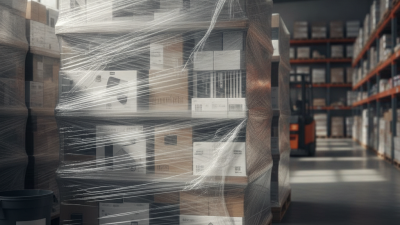
For export packaging, check seal strength after temperature cycling. Humidity can alter film behavior. Warehouse trials should include vibration, stacking, and drop testing. I have found that a film performing well on a warm production line may fail after cold storage. That assumption can be costly. Ask suppliers for shrink-ratio data, gauge tolerance, recyclability information, and food-contact documentation when relevant. No film wins every case.

2026 Best Heat Shrink Film Types for Global Buyers

How to Match Film Properties With Product and Packaging Needs

How to read this chart: Polyolefin and PE films provide broad shrinkage capability for general retail packs, bundles, and heavier products. PVC is commonly selected for economical, visually clear packaging, while PETG is preferred when very high shrinkage and strong contour conformity are required.

Values show indicative commercial shrinkage ranges. Actual performance varies by film grade, thickness, machine direction, sealing conditions, and tunnel temperature.

Key Selection Criteria for Global Buyers in 2026

2026 Best Heat Shrink Film Types for Global Buyers

Key Selection Criteria for Global Buyers in 2026

For global buyers in 2026, selecting heat shrink film starts with the product, not the lowest quoted price. Film thickness should match load weight, sharp edges, and handling distance. A 45-micron film may suit light cartons, while heavier bundles often need 60 microns or more. Measure the required shrink ratio carefully. An oversized ratio can distort labels and waste energy. Test samples on the actual sealing and shrinking equipment. Small machine differences matter.

Polyolefin, PVC, and polyethylene films serve different purchasing needs. Polyolefin usually offers clear presentation and balanced strength for retail packs. PVC can shrink sharply, but buyers should review environmental rules and end-use requirements. Polyethylene supports stronger bundling for transport, although its thicker structure may reduce display clarity. Ask for tensile, tear, haze, seal-strength, and shrink-temperature data. Do not rely on a sales sheet alone. Independent testing is safer.

Global supply adds another layer of risk. Confirm roll width, core size, winding direction, packaging protection, and storage limits before ordering. Humidity and heat can change film performance during long transit. Request batch traceability and a practical certificate package. Recycled content or recyclability claims need clear definitions, not vague wording. I have seen a film pass a laboratory test yet fail on a fast packing line. That result is uncomfortable, but useful. Buyers should compare total cost, including downtime, rejected packs, energy use, and local compliance. A perfect film rarely exists. The best choice is the one proven under real conditions.

International Standards, Sourcing Risks, and Supplier Evaluation

2026 Best Heat Shrink Film Types for Global Buyers

International buyers should match film structure with product shape, transport climate, and sealing equipment. Polyolefin film suits retail packaging, while polyethylene film supports heavier loads and industrial bundling. PVC may offer strong shrink performance, but buyers should review regional environmental rules before approval.

The OECD’s Global Plastics Outlook reports that packaging created about 40% of global plastic waste in 2019. That figure makes material selection a sourcing decision, not merely a packaging preference.

International standards provide a useful baseline. ASTM D882 measures tensile properties, ASTM D1709 evaluates impact strength, and ASTM D1894 tests friction. ISO 4892-3 helps assess light exposure for plastics used in demanding environments.

ASTM D882 Measures tensile properties
ASTM D1709 Evaluates impact strength
ASTM D1894 Tests friction
ISO 4892-3 Helps assess light exposure

Ask suppliers for recent laboratory reports, not only certificates. Test values should match the delivered film grade, thickness, and production lot. One missing detail can change the risk.

Supplier evaluation needs physical evidence.

Review thickness variation across the roll, shrink percentage at stated temperatures, seal strength, and odor after heating. Request three production samples from different lots. Compare them under identical tunnel settings.

In my experience, attractive sample rolls can hide unstable gauges. Numbers can mislead. Audit resin traceability, storage humidity, complaint records, and backup production capacity.

The OECD data shows why recycled content deserves careful verification, but recycled resin can reduce clarity or sealing consistency. Buyers should record these trade-offs openly.

A low price may simply transfer risk to the warehouse, operator, or final customer.