How to Use Shrinkwrap for Packaging and Protection Tips?
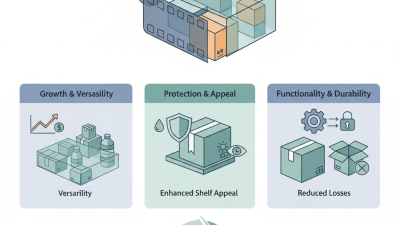
Shrinkwrap is a versatile packaging solution widely used for various products. It provides a tight seal that protects items from dust, moisture, and handling damage. This covering is not just functional; it enhances product presentation and increases shelf appeal. However, understanding how to use shrinkwrap properly can make a significant difference in the effectiveness of your packaging.
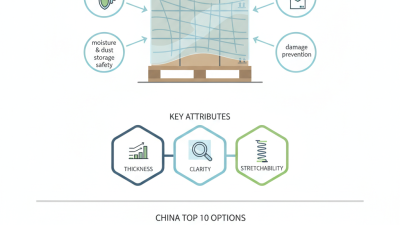
When applying shrinkwrap, choosing the right type of film is crucial. Different products require different thicknesses and materials. For example, delicate items may need thinner wrap to prevent crushing. Additionally, ensuring the film is correctly heated is essential to achieve a secure seal. Improper sealing can lead to product exposure and customer dissatisfaction. Avoid using shrinkwrap as a quick fix without proper technique. It can backfire if not done right.
To master shrinkwrap usage, consider experimenting with various methods. Every product has unique characteristics that affect the wrapping outcome. Track results and make adjustments as necessary. With patience, experience will guide you toward optimal shrinkwrap application. This skill can enhance packaging quality and boost your brand's reliability.

Understanding Shrinkwrap: What It Is and How It Works
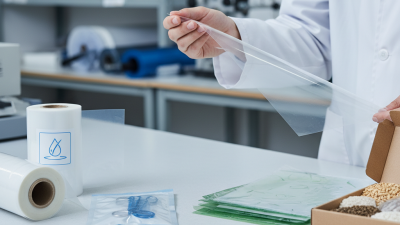
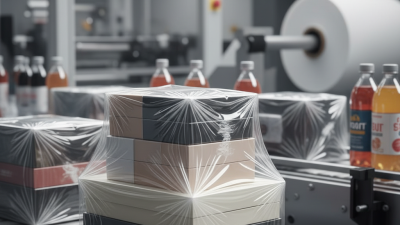
Shrinkwrap is a versatile material used for various packaging needs. It consists of a plastic film that shrinks tightly over an object when heat is applied. This unique process helps create a protective layer, safeguarding products from dust and damage. It also provides an organized and professional appearance, which is vital for retail settings.
Understanding how shrinkwrap works is crucial for effective usage. When heated, the film contracts, forming a snug fit around the item. This ensures that even irregular shapes are securely covered. Users often rely on heat guns or specialized shrink wrap machines for the best results. Proper temperature control during application is key; too much heat can damage the product, while too little can lead to loose wraps.
Despite its advantages, challenges can arise. Not all shrinkwrap materials are created equal. Some may not be suitable for high-temperature items or items with sharp edges. It’s essential to choose the right type based on the object being wrapped. Reflect on past experiences to avoid mishaps in your packaging process. Remember, mastering shrinkwrap takes practice and experimentation.
Types of Shrinkwrap Materials: Choosing the Right One for Your Needs
When selecting shrinkwrap materials for your packaging needs, consider the main types available. Polyolefin is popular for its versatility and durability. It provides excellent clarity and a professional look. PVC shrinkwrap, on the other hand, is economically friendly and widely used for products that don’t require long-term storage.
Each material has its unique properties. For instance, if you need something that can withstand high temperatures, consider using a specialized polyolefin. This material is ideal for heat-sensitive items. Understanding these details can help you make informed choices.
Here are some helpful tips. Always test the shrinkwrap with your product to ensure compatibility. Poor fit can lead to damage during transport. Pay attention to the thickness of the film; a thicker film offers better protection but can be harder to handle. Finally, ensure that your sealing equipment is appropriate for the chosen material. Different films may require different sealing temperatures or techniques.
Shrinkwrap Material Comparison
Step-by-Step Guide to Shrinkwrapping Items for Packaging
Shrinkwrapping is an effective way to package items securely. It provides protection against dust, moisture, and physical damage. To get started, gather your materials: shrink wrap film, a heat source, and scissors. Measure the items to ensure you cut the right size of shrink wrap. It’s crucial to leave some extra margin around the items for proper sealing.
After wrapping the item in shrink wrap, use a heat gun to activate the film. Move the heat source evenly over the surface until the wrap tightens securely around the item. Watch for any bubbles or folds—these can weaken the seal. If you encounter problems, don’t hesitate to reheat and adjust the film.
**Tip:** Ensure proper ventilation during the process. The heat gun can produce fumes. Take breaks if you feel overwhelmed. **Tip:** Invest in a quality heat gun. A reliable tool can make a difference in results. Lastly, practice makes perfect. Experiment with smaller items to refine your technique before tackling larger projects.
How to Use Shrinkwrap for Packaging and Protection Tips? - Step-by-Step Guide to Shrinkwrapping Items for Packaging
| Step |
Description |
Materials Needed |
Tips |
| 1 |
Choose the items to be wrapped. |
Items you want to package |
Ensure items are clean and dry. |
| 2 |
Select the appropriate shrinkwrap size. |
Shrinkwrap film |
Choose film that fits the size of your items. |
| 3 |
Cut the shrinkwrap to size. |
Scissors or cutting tool |
Leave extra material for sealing. |
| 4 |
Wrap the items with the cut shrinkwrap. |
Shrinkwrap |
Overlap edges for a secure hold. |
| 5 |
Use a heat source to shrink the wrap. |
Heat gun or shrink wrap machine |
Move heat source evenly to avoid burns. |
| 6 |
Check for tightness and completeness of wrap. |
Completed package |
Ensure no openings left for dust. |
Tips for Properly Applying Shrinkwrap for Maximum Protection
When applying shrinkwrap, the right technique is crucial for optimum protection. Begin by selecting the appropriate shrinkwrap material based on the item size and shape. A study by Packaging Strategies indicates that properly chosen shrinkwrap can reduce damage during shipping by up to 60%. This statistic highlights the importance of understanding your specific packaging needs.
Ensure the items you plan to wrap are clean and dry. Any residue can weaken the seal, risking protection. Overheating the shrinkwrap during application can also cause weaknesses. An industry report showed that around 30% of damage claims arise from improper shrinkwrap use. Take care to apply consistent heat, allowing for even shrinking.
Pay attention to seams—these are often vulnerable areas. Overlap them adequately and ensure a tight seal. Consider using a heat gun instead of a heat tunnel for better control and precision. Check for any loose areas after application. They can compromise the entire packing process. Sometimes, even experienced packagers overlook this aspect, leading to potential damages that could have been avoided.
Common Mistakes to Avoid When Using Shrinkwrap for Packaging
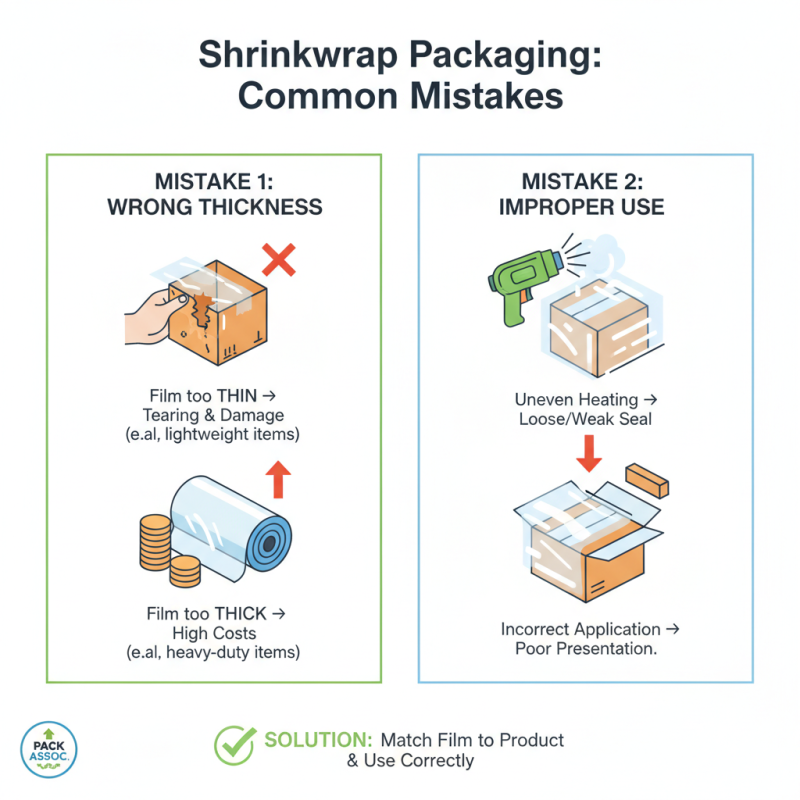
When using shrinkwrap for packaging, avoiding common mistakes is crucial. Many users overlook the importance of selecting the right film thickness. According to the Packaging Association, choosing the wrong thickness can lead to product damage. A film that is too thin might tear easily during handling, while a film that is too thick can increase costs substantially. Understand the specific requirements of your products to make the best choice.
Another frequent error lies in the sealing process. Inadequate heat sealing can result in loose wraps. A report from the International Journal of Packaging Technology indicates that nearly 30% of product returns are due to improper sealing techniques. Ensure that your heat guns or sealers are calibrated correctly. Test a few wraps to determine the ideal temperature for your materials.
Lastly, many overlook the importance of proper storage conditions. Shrinkwrap should be stored away from extreme temperatures and humidity. High humidity can affect film integrity. Conversely, excessive heat can make the film too pliable. Regularly review your storage practices and adjust as necessary to maintain quality. By addressing these issues, businesses can reduce waste and improve product protection.