Why is Pallet Stretch Wrap Film Essential for Shipping and Storage?
Pallet Stretch Wrap Film plays a crucial role in modern shipping and storage. This film is designed to secure products on pallets, preventing them from shifting during transport. Research indicates that improper packaging accounts for over 30% of product damage during shipping. The use of Pallet Stretch Wrap Film reduces this risk significantly.
In the warehousing sector, 40% of companies report that packaging concerns heavily impact their efficiency. A reliable stretch wrap ensures that goods remain intact, reducing waste and loss. With the global logistics market expected to reach $12 trillion by 2025, efficient packaging solutions like Pallet Stretch Wrap Film are becoming increasingly essential.
However, not all stretch films are created equal. The varying quality can affect performance. Some companies overlook the importance of selecting the right film type for their needs. A poor choice may lead to compromised product security. As industries evolve, a deeper understanding of Pallet Stretch Wrap Film's benefits is vital for optimizing shipping and storage processes.
Importance of Pallet Stretch Wrap Film in Shipping and Storage
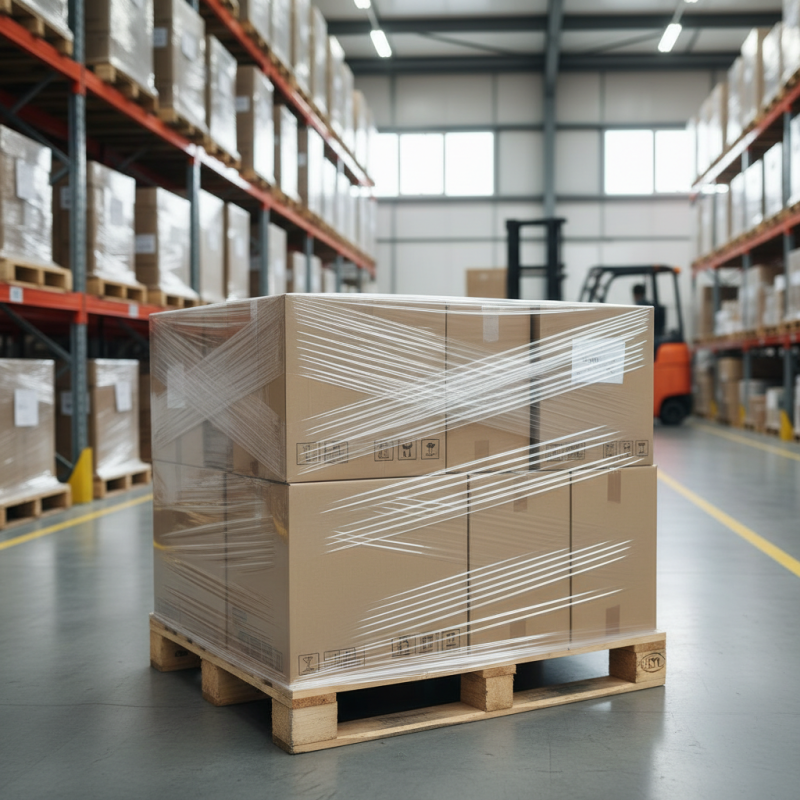
Pallet stretch wrap film plays a critical role in shipping and storage. According to industry reports, up to 30% of products can be damaged during transport. The right stretch wrap helps secure items on a pallet, reducing movement. This prevents damage and ensures products arrive safely.
Using stretch wrap enhances stability. It offers a shield against humidity, dust, and potential contaminants. A study shows that companies using high-quality stretch film can reduce costs by over 20% in product losses. However, the benefits go beyond cost savings. Proper use of stretch wrap boosts efficiency in loading and unloading.
Tip: When wrapping pallets, overlap the film by at least 50% for better protection. This simple technique ensures your products stay in place.
Be mindful of film thickness. Thin films may save costs but can compromise safety. Evaluate your shipping needs carefully. Consider factors like weight and type of products being wrapped. The choice of stretch wrap matters more than many realize.
Importance of Pallet Stretch Wrap Film in Shipping and Storage
Key Benefits of Using Stretch Wrap Film for Palletizing
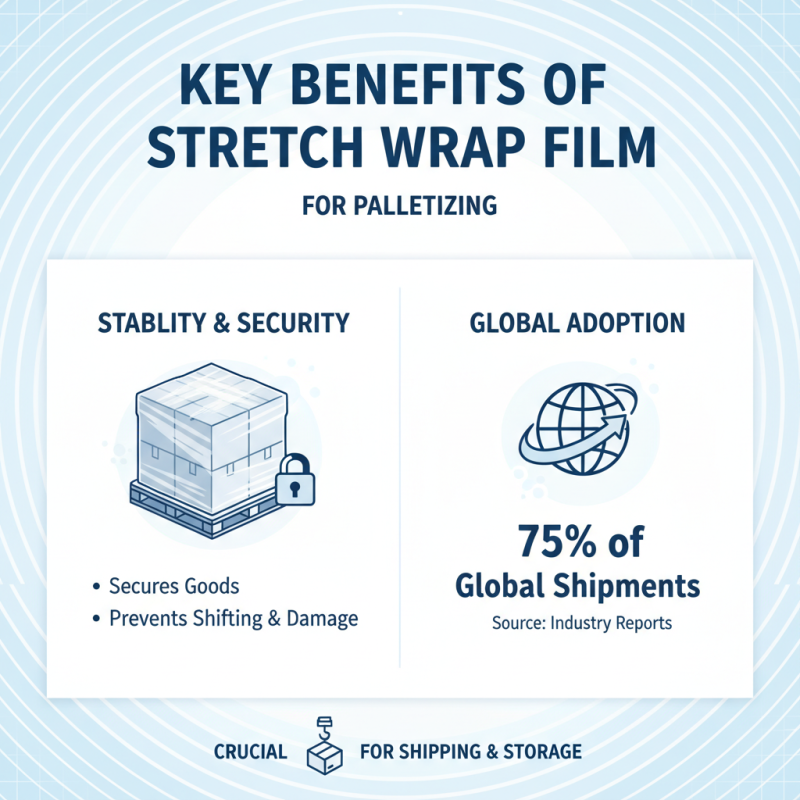
Pallet stretch wrap film plays a crucial role in shipping and storage. It offers stability and security for palletized goods. According to industry reports, nearly 75% of products shipped globally use stretch wrap film. This underscores its widespread importance.
One key benefit of using stretch wrap is damage prevention. Wrapped pallets withstand varying environmental conditions. A study found that using stretch wrap reduced product damage by up to 30% during transit. This protective layer helps keep items intact, minimizing losses for businesses. However, not all stretch films are created equal, and some may falter under stress.
Cost-effectiveness is another advantage. Stretch wrap can be cheaper than other packaging options. It requires less material for the same protective quality. Yet, some companies still opt for more costly methods without assessing their needs. This can reflect a lack of understanding of effective shipping practices. Optimizing the use of stretch wrap can enhance both reliability and savings in logistics.
Types of Pallet Stretch Wrap Film and Their Applications
Pallet stretch wrap film is vital for both shipping and storage. This film secures products on pallets. It prevents shifting during transport. It also protects items from dust and moisture. Different types serve various needs. Knowing the right type is key for efficiency.
There are several types of pallet stretch wrap film. For instance, hand stretch wrap is often used for smaller loads. It allows manual application, giving the user control. Machine stretch wrap, on the other hand, is best for higher volume operations. It saves time and labor. Pre-stretched films are another option. They require less force to apply and minimize waste.
In reflecting on these options, companies must consider their unique needs. Choosing the wrong type can lead to damaged goods. It can also result in added costs. Understanding the specific applications is crucial. Sometimes, it’s easy to overlook these details until problems arise. Each option has pros and cons, making informed choices important.
Best Practices for Applying Stretch Wrap Film Efficiently
Efficiently applying stretch wrap film can significantly impact your shipping and storage practices. Start by ensuring that the pallet is evenly stacked. An uneven load can lead to instability and damage. Aim for a tight, snug fit when wrapping. This reduces the likelihood of shifting during transport. Too loose? Items may slip. Too tight? You risk crushing fragile goods.
When using stretch film, maintain a consistent tension. Adjust your grip on the roll to control this better. Wrap in a circular motion, at least three times around the base. This creates a solid foundation. Don't forget the height—covering the entire pallet is crucial. Pay attention to corners, as they often receive the most stress.
Remember, practice makes perfect. It’s common to overlook small details. Sometimes the wrap might stick to itself too much, creating those annoying mini-tears. Reflect on your process after each use. Adjust, refine, and strive for improvement. A little attention can lead to better outcomes. Your shipping and storage efforts will ultimately benefit from these small adjustments.
Why is Pallet Stretch Wrap Film Essential for Shipping and Storage? - Best Practices for Applying Stretch Wrap Film Efficiently
| Aspect |
Details |
| Film Type |
Jason Stretch Film |
| Thickness |
20 - 30 microns |
| Color |
Transparent and Black |
| Load Stability |
Prevents shifting and tipping |
| UV Protection |
Yes, for outdoor storage |
| Application Method |
Manual and Machine Application |
| Best Stretching Ratio |
Stretch up to 300% |
| Common Uses |
Palletizing and storage of goods |
| Environmental Consideration |
Recyclable options available |
Impact of Stretch Wrap on Load Stability and Safety During Transport
Pallet stretch wrap film plays a crucial role in ensuring load stability and safety during transport. Its elasticity creates a tight hold, preventing cargo from shifting. According to industry reports, well-wrapped loads can reduce damage risks by up to 25%. Inadequate wrapping can lead to costly consequences.
One critical factor is the quality of the stretch film. Low-quality film may tear easily, failing to protect the load. High-performance stretch films can stretch up to 300% without compromising strength. This capability provides a snug fit around various shapes and sizes. Properly secured loads reduce accidents during transit and improve overall shipping efficiency.
Tips for effective stretch wrapping: Always choose films compatible with your load type. Ensure even tension while wrapping. Additionally, consider using color-coded films for easy identification. Remember, an error in wrapping can lead to serious mishaps. Regular training on wrapping techniques can improve employee skills. This simple step can enhance safety and overall performance in the shipping process.