10 Essential Tips for Using Shrinkwrap Effectively in Packaging
Shrinkwrap packaging has become an essential component of various industries, offering safety and efficiency. According to a report by Smith Packaging Solutions, the global shrinkwrap market is projected to grow at a CAGR of 4.5% through 2025. This growth highlights its importance in product packaging, especially for fragile items.
Expert John W. Mitchell states, “Effective shrinkwrap not only protects products but also enhances their visibility.” This principle emphasizes the need for businesses to adopt best practices in shrinkwrap usage. For instance, proper sealing and adequate film gauge can prevent contamination and damage, which are common issues faced during transit.
However, challenges remain in achieving optimal shrinkwrap results. Many companies overlook the necessary pre-packaging checks, leading to unforeseen failures. Therefore, exploring strategies to improve shrinkwrap processes is vital. This includes understanding the right machinery and materials to use, ensuring each product is suitably protected. Optimizing shrinkwrap techniques can significantly enhance product presentation, reducing waste and enhancing overall customer satisfaction.
Understanding the Basics of Shrinkwrap in Packaging Applications
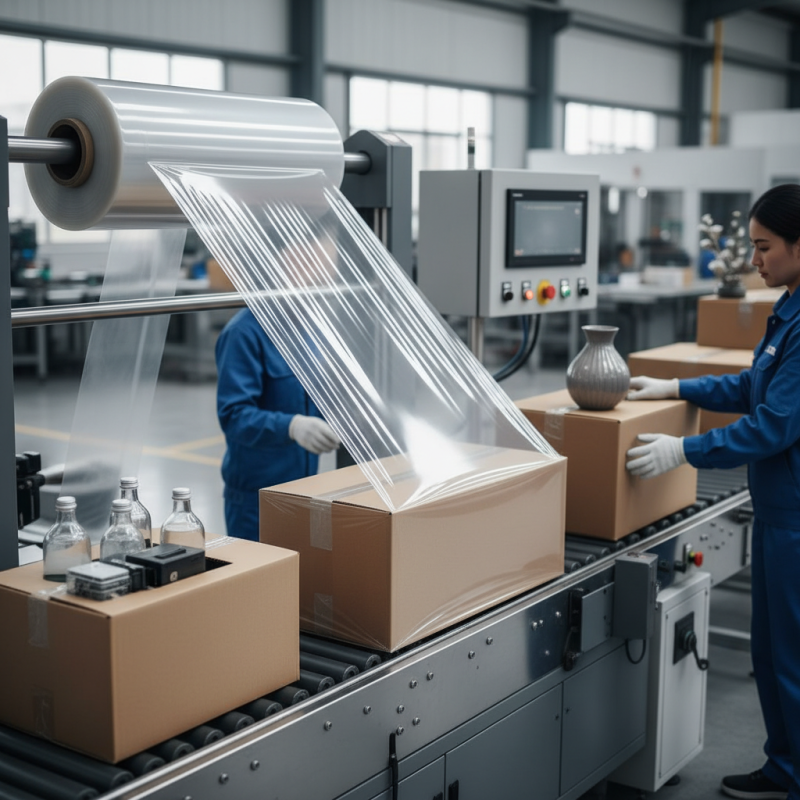
Shrinkwrap is a versatile material widely used in packaging. It provides a tight seal around products, keeping them secure and free from dust or moisture. Understanding its basic properties is crucial for effective use. For example, heat application makes shrinkwrap conform to the shape of the item. Various materials are available, each with unique characteristics and uses.
Choosing the right shrinkwrap thickness is essential. Thicker wrap offers more durability, while thinner options may allow for more flexibility. However, using too thick a material can lead to excess waste, affecting both the environment and costs. It's vital to match the wrap to the product's needs. Sometimes, a trial and error approach can help find the best fit.
Applying shrinkwrap involves more than just sealing products. The heat distribution must be even to ensure a proper seal. Inconsistent heating can lead to wrinkling or tearing. Paying attention to the details during the application process can prevent these issues. Using proper tools also enhances the final appearance and integrity of the package.
10 Essential Tips for Using Shrinkwrap Effectively in Packaging
| Tip Number |
Tip Description |
Benefits |
Common Applications |
| 1 |
Choose the right shrinkwrap material |
Optimal protection and sealing |
Food, electronics |
| 2 |
Correct temperature setting for heat sources |
Ensures a tight wrap without damaging products |
Retail packaging |
| 3 |
Maintain a clean environment |
Prevents contamination and defects |
Pharmaceuticals, food |
| 4 |
Ensure even application of heat |
Eliminates weak spots in packaging |
Consumer goods |
| 5 |
Test shrinkwrap on different products |
Identifies compatibility issues |
Customization for various sectors |
| 6 |
Use proper storage conditions for shrinkwrap |
Preserves material integrity |
Manufacturing facilities |
| 7 |
Consider environmental impact |
Promotes sustainability |
Eco-friendly packaging |
| 8 |
Implement quality control checks |
Maintains packaging standards |
All packaging sectors |
| 9 |
Train staff on shrinkwrap techniques |
Improves efficiency and results |
Packaging operations |
| 10 |
Stay updated with industry trends |
Enhances competitive advantage |
All packaging applications |
Benefits of Using Shrinkwrap for Product Protection and Presentation
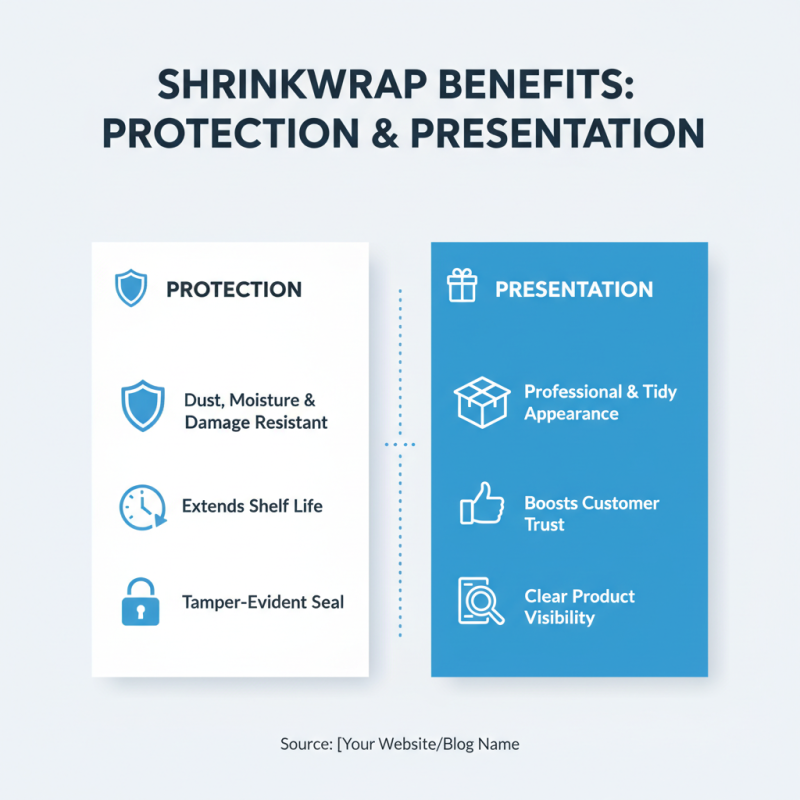
Shrinkwrap offers numerous benefits for product protection and presentation. It provides a tight seal that keeps products safe from dust, moisture, and damage. This protective layer can extend the shelf life of perishable items. A well-shrinkwrapped product appears tidy and professional. Customers are more likely to trust a neatly packaged item. The clear film showcases the product inside, enhancing its visibility on shelves.
However, achieving the perfect shrinkwrap can be tricky. Sometimes, the film may not adhere properly, leading to wrinkles or loose edges. These imperfections can detract from the product's appeal. Adequate heat is crucial, but overdoing it can cause the film to tear or shrink unevenly. Every product may require a different approach to achieve optimal results. Regularly testing materials and methods is essential to improve your packaging process. Recognizing these challenges can help you refine your technique over time.
Choosing the Right Shrinkwrap Material for Your Packaging Needs
Choosing the right shrinkwrap material is crucial for effective packaging. Manufacturers have various options, including PVC, PE, and PVDC. Each material has its unique properties and applications. According to a recent industry report, 40% of packaging failures stem from inappropriate material selection.
PVC shrinkwrap is popular for its clarity and strength. Its use is prominent in food and consumer goods packaging. However, it may not be the best choice for items requiring high-temperature resistance. Polyethylene (PE) offers excellent flexibility and durability. It is ideal for bulk packaging. Yet, it may not provide the same aesthetic appeal as PVC.
Environmental concerns regarding packaging materials cannot be overlooked. As consumer demand shifts towards sustainable options, more companies explore biodegradable shrinkwraps. A study from the Packaging Association shows a 25% increase in demand for eco-friendly solutions over the last five years. Still, some biodegradable options may not perform as expected under certain conditions, leading to challenges in product protection. This raises questions about the long-term viability of current solutions in the ever-evolving packaging landscape.
Essential Techniques for Properly Applying Shrinkwrap to Products
When applying shrinkwrap to products, precision is key. Industry studies indicate that improper application can lead to 20% more damage during transport. The right temperature and shrink ratio are essential. Testing different temperatures helps achieve a snug fit. Aim for a consistency that complements the shape of the product without being too tight. Observing shrinkage charts can guide manufacturers to avoid over or under application.
Moisture control is another vital factor. A study by the Packaging Institute revealed that 30% of shrinkwrap failures stem from moisture issues. Products should be completely dry before sealing. Additionally, using a heat gun can give you greater control during the application process. However, relying solely on heat settings without testing can result in a less than perfect finish.
The choice of material matters. Not all shrinkwraps perform equally under different conditions. Research indicates that 60% of users express concern over the clarity and strength of their chosen materials. Regularly assessing your shrinkwrap performance can help reduce waste. Continuous improvement is necessary to refine these practices and enhance the packaging experience.
Common Mistakes to Avoid When Using Shrinkwrap in Packaging
Using shrinkwrap in packaging can be highly effective, but many make common mistakes. One prevalent issue is improper heat settings. If the temperature is too low, the wrap won’t shrink tightly. This can leave products loose, exposing them to damage. On the other hand, if it’s too high, it risks melting products or creating unsightly wrinkles. It is crucial to find the right balance.
Another mistake is not accounting for the type and size of the items being wrapped. Some may underestimate the required amount of shrinkwrap. This can lead to insufficient coverage, revealing parts of the product. Equally, using too much material can be wasteful and unhygienic. Additionally, failing to test different shrinkwrap materials can hinder packaging quality. Experimenting with various types can yield better results, but it does require time for reflection.
Lack of proper sealing is also a frequent oversight. If seals are weak or improperly placed, they can break easily during transit. This can result in damage or contamination. A careful approach is advisable. Proper training and consistent practice can help teams avoid these common pitfalls in shrinkwrap packaging.
10 Essential Tips for Using Shrinkwrap Effectively in Packaging