How to Use Heat Shrink Film Effectively in 2026?
In 2026, the demand for Heat Shrink Film is set to grow significantly. According to industry reports, the global market is projected to reach $4 billion, reflecting a compound annual growth rate of around 5%. This upward trend underscores the importance of adopting effective techniques for its usage.
Heat Shrink Film serves various industries, including packaging, construction, and electronics. Its versatility makes it crucial for many applications. However, businesses often struggle with optimal application methods. Inadequate shrinkage can lead to poor product presentation, affecting consumer perception and sales.
As we move forward, the need for precision in utilizing Heat Shrink Film becomes more pressing. Companies should focus on temperature control and application speed. Successful implementation can enhance packaging strength and aesthetics. Without careful attention to detail, businesses risk dissatisfaction and waste. Reflecting on these challenges can guide better practices and improve outcomes in this competitive market.

Understanding Heat Shrink Film: Types and Materials in 2026
When we talk about heat shrink film, understanding its types and materials is crucial. In 2026, several common options include polyolefin, PVC, and polyethylene.
Polyolefin is popular for its clarity and flexibility. It shrinks evenly and is perfect for packaging. On the other hand, PVC is often used for its durability. It provides a robust seal, ideal for industrial uses. There are also specialty films available for unique applications.
Choosing the right material is not always easy. Each type has its advantages and disadvantages. For example, polyolefin may be more expensive, but its performance is impressive. On the flip side, PVC can emit fumes when heated, which may be a concern. Additionally, not all heat shrink films provide the same level of shrinkage.
Some may require higher temperatures, making them less user-friendly. It’s essential to consider the specific requirements of your project before making a decision. Experimentation might lead to unexpected results or errors, but that’s part of the learning process.
Key Applications of Heat Shrink Film in Packaging and Protection
Heat shrink film is a versatile tool in packaging and protection. Its applications are numerous and varied. Many industries utilize this material for bundling products and enhancing their integrity. It's not just about aesthetics; it’s about longevity and safety too. The right shrink film can significantly reduce damage during transportation.
One key application is in food packaging. The film creates an airtight seal around items. This can extend shelf life and maintain freshness. However, users often overlook the importance of size and shrink ratio. Using the wrong type can lead to waste and inefficiency. Perfecting the fit is crucial.
In industrial settings, heat shrink film protects sensitive equipment. Spools of wire or machinery can benefit greatly from this layer of defense. Yet, improperly applied shrink can lead to vulnerabilities. A common error is insufficient heating, which can compromise the protection offered. This serves as a reminder to evaluate your techniques regularly for improvement.
Best Practices for Application: Tools and Techniques for Effective Use
Heat shrink film has gained popularity across various industries. However, using it effectively requires the right tools and techniques. For instance, a report by the Flexible Packaging Association (2023) highlights that improper application can lead to material waste and reduced product integrity. It’s essential to choose the right heat source. A hot air gun offers precision but can be tricky for beginners.
Additionally, surface preparation plays a significant role. Clean, dry surfaces ensure a strong seal. A study published in the Journal of Packaging Technology shows that contaminants can reduce adhesion by as much as 30%. This number emphasizes the need for thorough cleaning before application. Mistakes often occur here, leading to frustration.
Specialized cutting tools can enhance the application process. Utilizing a precision cutter for clean edges prevents tearing during the shrink process. Many users overlook this step, resulting in uneven finishes. Careful attention to detail is vital to achieve a professional look. Regular training and practice will improve skills over time. Industry surveys suggest that consistent practice can increase proficiency by 25% within a few months.
Effective Use of Heat Shrink Film in 2026
Sustainability Trends: Eco-Friendly Options in Heat Shrink Film
In 2026, sustainability is crucial in all industries, including heat shrink film. Eco-friendly options have emerged, addressing environmental concerns. According to a recent report by the Institute for Packaging Innovation, the global demand for sustainable packaging is expected to increase by 23% by 2027.
Biodegradable heat shrink films are gaining traction. These films are made from renewable resources, reducing plastic waste significantly. A study indicated that traditional films contribute to over 300 million tons of plastic waste annually. By adopting eco-friendly alternatives, companies can cut down their carbon footprint and appeal to more mindful consumers.
However, challenges remain. Not all biodegradable films meet the required strength and durability standards. Some products still lack proper certification, leading to consumer skepticism. Manufacturers must prioritize transparency and invest in innovation. Developing robust, sustainable options can be complex but necessary. Engaging with the latest research and staying updated on trends is vital for success.
Market Trends: Growth Statistics and Future Projections for 2026
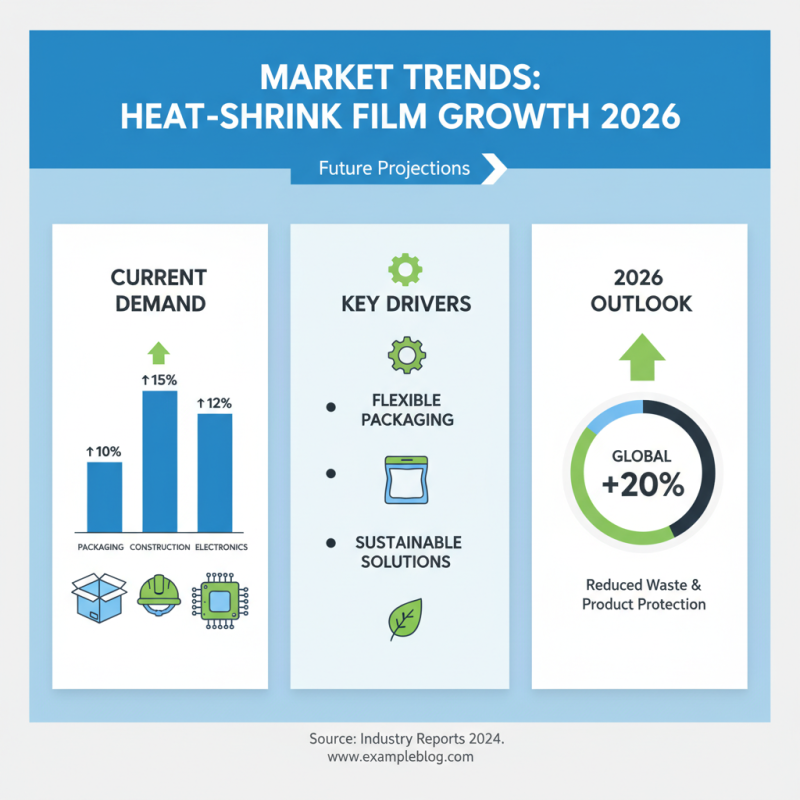
The heat shrink film market is expected to see significant growth in 2026. Reports indicate a rise in demand across various sectors. Industries such as packaging, construction, and electronics are leading this trend. This surge is driven by the rising popularity of flexible and sustainable packaging solutions. Companies seek to decrease waste while ensuring that products remain protected.
Key statistics highlight a projected market increase of over 7% annually. Innovations in materials are reshaping the sector. However, challenges remain. Many manufacturers struggle with sourcing high-quality raw materials. Consistency in production can also be an issue, leading to product flaws.
As businesses navigate these obstacles, market strategies must evolve. Collaboration with suppliers is crucial to secure better quality materials. Investing in new technologies can enhance production efficiency. Companies need to stay proactive in understanding changing consumer preferences. The focus on sustainability is more than a trend; it is a necessity.