China Top Pe Shrink Film Overview and Applications Explained
PE shrink film has gained significant attention in various industries due to its versatile applications and practicality. This material is known for its remarkable shrinkage properties when heated, making it ideal for packaging, stabilization, and protection purposes. In the ever-evolving world of packaging, understanding how PE shrink film can enhance product presentation is crucial.
Many companies have adopted PE shrink film for bundling products, enhancing visual appeal while providing excellent protection. The film is lightweight, yet it offers strength and durability that ensure contents remain intact during transit. However, the choice of PE shrink film can sometimes be overwhelming. Companies face challenges in selecting the right type for their specific needs.
Despite its advantages, some users encounter issues like poor sealing or inconsistent shrinkage. Such drawbacks highlight the importance of proper application and equipment. Finding the right balance between cost and quality remains a work in progress for many businesses. With an ever-increasing demand for sustainable solutions, PE shrink film continues to evolve, pushing the boundaries of innovation in packaging.
Overview of PE Shrink Film in China
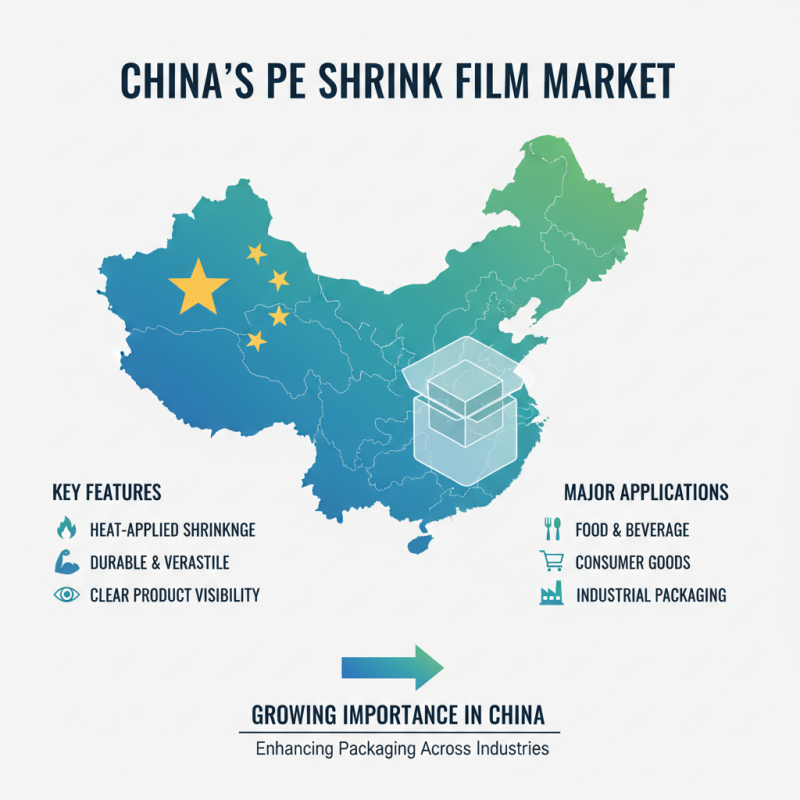
PE shrink film has become increasingly important in China for packaging applications. This plastic film is known for its ability to shrink tightly around products when heat is applied. Manufacturers in various sectors, including food, beverage, and consumer goods, value its durability and versatility. The clear visibility of packaged goods also enhances product appeal on the shelves.
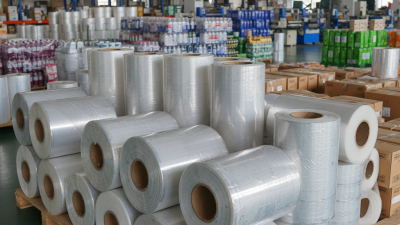
In China, PE shrink film is widely used in the logistics and warehousing sectors. Its lightweight nature reduces transportation costs and its moisture-resistant properties protect products. Many businesses find this film essential for bundling goods securely. However, choosing the right thickness and size is crucial. A thicker film can offer more protection, but it may also increase costs.
Tip: When selecting PE shrink film, evaluate the specific needs of your products first. Consider factors like temperature resistance and shrinkage ratio to ensure optimal results. Understanding these details can help prevent underperformance or product damage during transportation.
Key Characteristics of PE Shrink Film
PE shrink film is widely recognized for its versatility and strength. When heat is applied, it shrinks tightly around products, providing a secure wrap. This characteristic makes it ideal for packaging various items, from beverages to electronics. The clarity of PE shrink film enhances product visibility on retail shelves.
One key trait of PE shrink film is its light weight. This reduces shipping costs while maintaining product safety and integrity. Additionally, it offers resistance to moisture and dust. However, not all applications are perfect. In high-temperature environments, some films may lose durability. Another limitation is the environmental impact. Transitioning to more sustainable materials is crucial in addressing this concern.
Furthermore, the film has excellent stretchability. The elasticity allows it to conform to irregular shapes. This adaptability is valuable in warehouse settings. Businesses must, however, weigh the benefits against potential downsides. The dependency on fossil fuels for production remains a significant drawback. Companies have begun exploring eco-friendly alternatives. These considerations lead to innovation and continuous improvement in the packaging industry.
China Top PE Shrink Film Overview and Applications Explained - Key Characteristics of PE Shrink Film
| Characteristic |
Description |
Applications |
| Material Composition |
Polyethylene (PE) as primary component |
Used in food packaging, retail, and industrial applications |
| Shrinkage Rate |
High shrinkage rate of 50% to 70% |
Wraps for bottles, cans, and retail products |
| Seal Strength |
Excellent seal integrity and strength |
Applications requiring secure packaging |
| Thermal Stability |
Resistant to heat and temperatures |
Suitable for shrink tunnel processes |
| Clarity |
High transparency for product visibility |
Displays products effectively in retail |
| Environmental Impact |
Recyclable and eco-friendly options available |
Sustainable packaging solutions |
Common Applications of PE Shrink Film in Various Industries
PE shrink film is widely used across different industries for packaging purposes. Its versatility makes it popular among manufacturers. This film shrinks tightly around products when heat is applied, providing a secure and protective wrap.
In the food industry, PE shrink film is crucial. It keeps products fresh and safe from contamination. Items like trays of meat, fruits, and vegetables are often wrapped to maintain quality. The transparency of the film allows easy visibility, showcasing the product's freshness. In the pharmaceuticals sector, it ensures tamper-evidence, which adds a layer of trust for consumers.
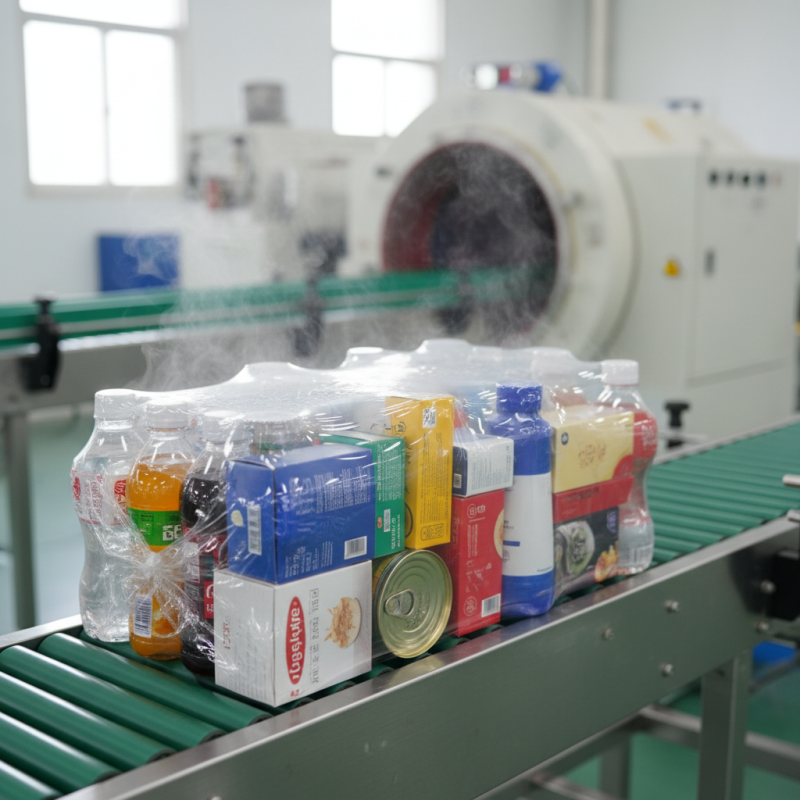
The retail industry benefits from PE shrink film too. It is frequently used for bundling items together, such as bottles or cans. This not only enhances visual appeal but also facilitates handling and transportation. Despite its advantages, challenges exist. The film may not withstand extreme temperatures, affecting its performance. A conscious assessment is necessary for effective use without compromising quality.
Overview of PE Shrink Film Applications in Various Industries
This chart illustrates the common applications of PE shrink film across different industries, highlighting the percentage of usage in sectors such as food packaging, consumer goods, and pharmaceuticals.
Advantages of Using PE Shrink Film for Packaging
Polyethylene (PE) shrink film is becoming a popular choice for packaging across industries. Its lightweight nature makes it easy to handle. The film provides excellent clarity, allowing the product to shine through. This feature is particularly appealing for retail displays. PE shrink film's versatility is another significant advantage. It adapts well to various shapes and sizes, making it suitable for diverse packaging needs.
Using PE shrink film enhances product protection. The film creates a tight seal around items, offering resistance to dust and moisture. This is crucial for maintaining product quality during storage and transport. Moreover, PE shrink film is a cost-effective solution. It reduces packaging waste while ensuring durability, which is a key concern in today’s eco-conscious market.
Tips: Ensure proper heat settings during the shrink process for best results. Monitor the film’s thickness; too thin may compromise strength. Experimenting with different shrink ratios can yield better packaging outcomes.
Future Trends and Innovations in PE Shrink Film Technology
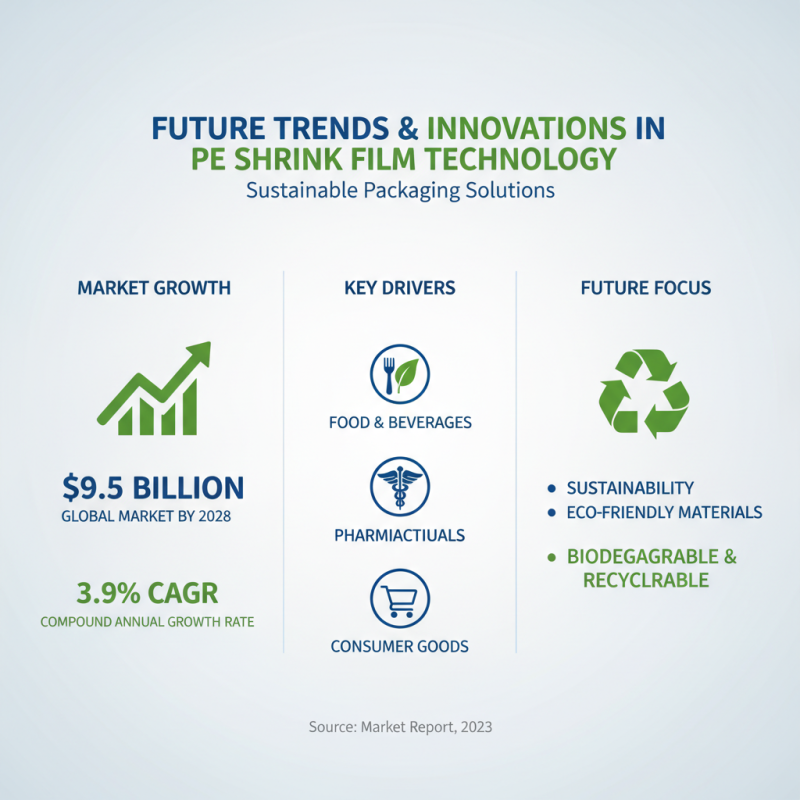
The future of PE shrink film technology is promising, characterized by innovation and sustainability. According to a recent market report, the global PE shrink film market is expected to reach $9.5 billion by 2028, growing at a CAGR of 3.9%. This growth is driven by the increasing demand for packaging solutions in various sectors, such as food and beverages, pharmaceuticals, and consumer goods.
Innovations are focusing on eco-friendly materials. Manufacturers are exploring biodegradable materials and recyclability, following consumer trends for sustainable products. Advanced technologies like co-extrusion and multilayer structures improve film performance. For instance, multilayer films are more robust, reducing the need for excessive material usage. This balances the need for efficient packaging with environmental concerns.
Tips: When choosing PE shrink films, consider the end-use application. Assess the film’s thermal properties and seal strength for optimal performance. Regularly review suppliers' certifications to ensure compliance with sustainability goals. Explore different thicknesses and formulations to find a suitable solution for specific products. This attention to details can enhance packaging effectiveness and minimize waste.