The Best 10 Shrinkwrap Solutions for Packaging and Protection
In the ever-evolving landscape of packaging, shrinkwrap has emerged as a versatile solution. Renowned expert Mark Davidson, who has over 20 years of experience in packaging innovations, states, “Shrinkwrap offers unmatched protection and stability for products of all shapes and sizes.” This insight underscores the importance of shrinkwrap in modern packaging strategies.
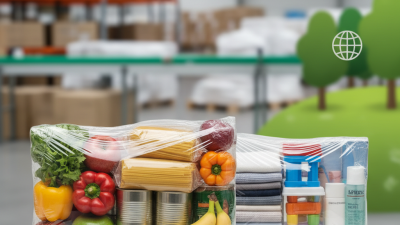
From food products to industrial materials, shrinkwrap provides a reliable barrier against moisture and dust. Companies worldwide rely on it for cost-effective packaging solutions. However, many businesses overlook the nuances of selecting the right shrinkwrap for their needs. With numerous options available, choosing the best solution can be daunting.
Considering the vast array of products on the market, effective shrinkwrap solutions can make or break a packaging strategy. Professionals must weigh factors like material type, thickness, and sealing methods. While shrinkwrap is generally dependable, improper application can lead to issues. Taking the time to understand these elements can optimize the protective qualities of shrinkwrap.
Overview of Shrinkwrap Solutions for Packaging
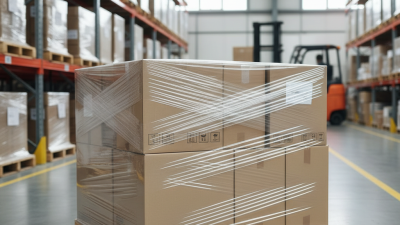
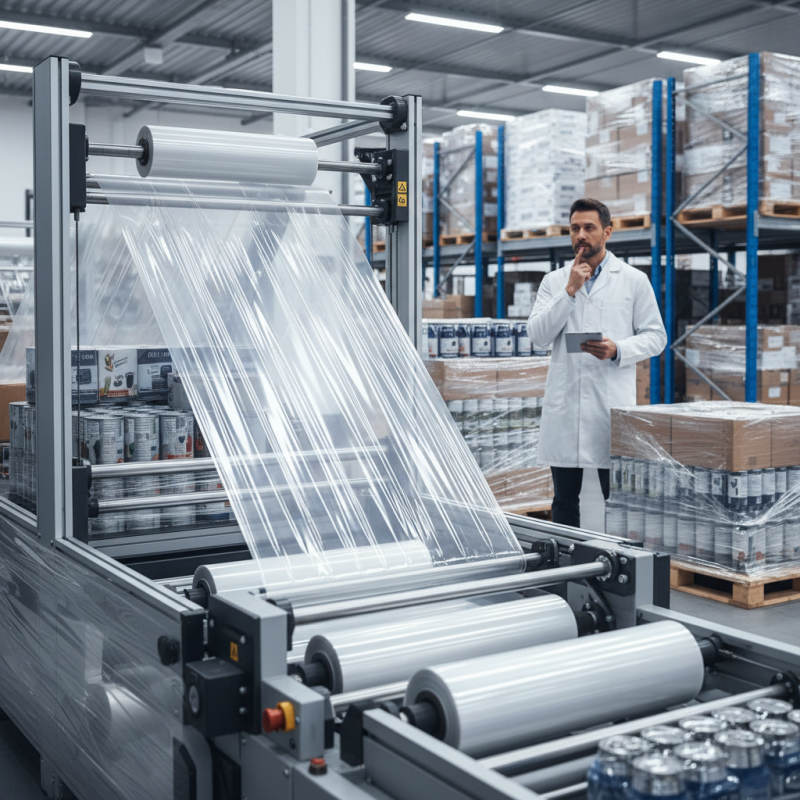
When considering shrinkwrap solutions for packaging, several factors contribute to their effectiveness. Shrinkwrap is a versatile choice for various products, providing a layer of protection against dust, moisture, and physical damage. It conforms closely to the item, minimizing movement within the packaging, which helps maintain product integrity during transport.
Different types of shrinkwrap materials vary in thickness and strength. For instance, low-density polyethylene (LDPE) and polyolefin are popular because they are durable yet flexible. Businesses often face challenges with selecting the right type based on product dimensions and intended storage conditions. Testing is essential, as too much heat during the shrinking process can lead to distortions or damage. Adjusting the temperature settings can be a trial-and-error method that requires careful observation.
In addition to physical protection, shrinkwrap provides a level of tamper evidence. Once sealed, it's evident if a product has been accessed. However, relying solely on shrinkwrap may lead to oversights in packaging design or material choices. Companies should evaluate their entire packaging strategy regularly, ensuring that the shrinkwrap solution aligns with their sustainability goals and cost-effectiveness. Frequent assessment may reveal areas for improvement, highlighting the need for ongoing reflection on packaging practices.
Types of Shrinkwrap Materials and Their Applications
Shrinkwrap materials come in various types, each serving unique applications. Polyolefin shrink wrap is popular for its versatility and economic efficiency. It is ideal for bundling products, protecting items from moisture, and providing a clear view of packaged goods. PVC shrink wrap, on the other hand, is preferred for its clarity and strength, making it suitable for retail packaging.
Tips: Consider the environmental impact of your material choice. Some shrink wraps are more recyclable than others.
Another notable material is nylon shrink wrap. This type is known for its high puncture resistance. It works well for heavy items and those needing long-term storage. However, its cost can be a drawback for smaller operations. PE shrink wrap offers flexibility and is great for wrapping oversized goods. It can handle various shapes and sizes but may not provide the same protective qualities.
Tips: Test samples of various materials before making bulk purchases. This can ensure the best fit for your application's needs.
The Best 10 Shrinkwrap Solutions for Packaging and Protection
| Shrinkwrap Type |
Material |
Thickness (mil) |
Common Applications |
Key Features |
| PVC Shrinkwrap |
Polyvinyl Chloride |
50 |
Retail packaging, food wrapping |
Clarity, cost-effective |
| PE Shrinkwrap |
Polyethylene |
75 |
Bundling, shipping |
Versatile, puncture-resistant |
| PP Shrinkwrap |
Polypropylene |
40 |
CD/DVD packaging, display |
Strong, lightweight |
| PLA Shrinkwrap |
Polylactic Acid |
30 |
Eco-friendly products, food packaging |
Biodegradable, compostable |
| PET Shrinkwrap |
Polyethylene Terephthalate |
60 |
Bottling, consumer goods |
High clarity, recyclable |
| Cross-Linked Shrinkwrap |
Cross-Linked Polyolefin |
50 |
Industrial packaging, heavy-duty uses |
Durable, heat-resistant |
| Bio-based Shrinkwrap |
Various bio-based materials |
Variable |
Sustainable products |
Eco-friendly, innovative |
| Heavy-Duty Shrinkwrap |
Polyethylene |
100 |
Construction, outdoor storage |
Extreme durability, weather-resistant |
| Tamper-Evident Shrinkwrap |
Polyolefin |
40 |
Food service, pharmaceuticals |
Security, visual indication |
Key Benefits of Using Shrinkwrap for Protection
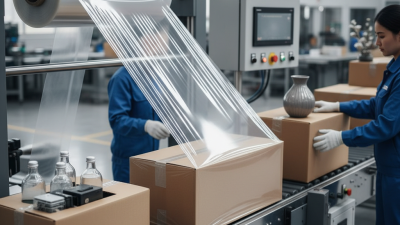
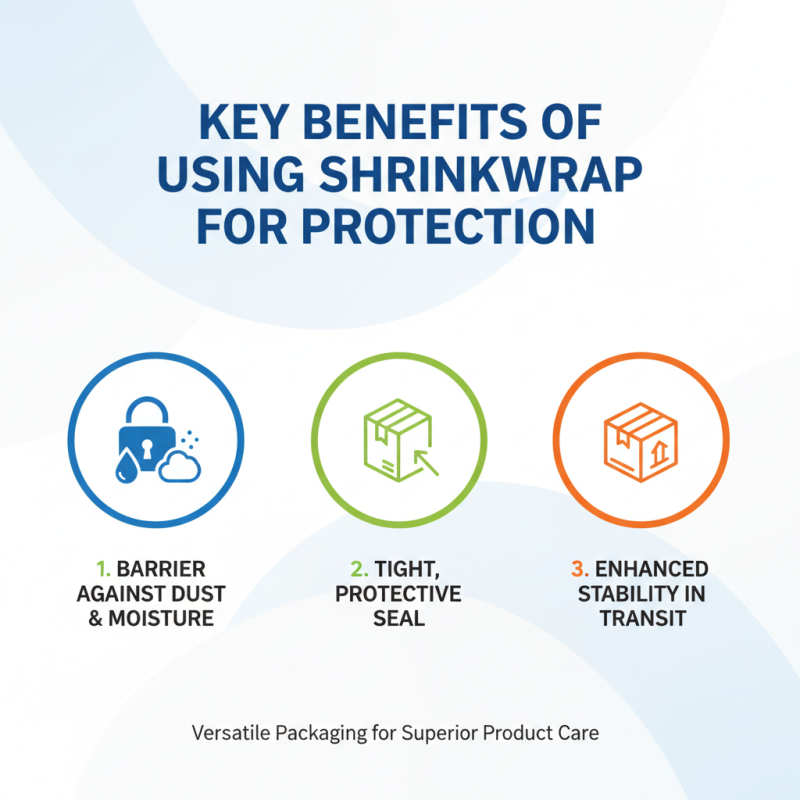
Shrinkwrap is a versatile packaging solution that offers numerous benefits for protecting various products. One key advantage is its ability to provide a tight seal around items. This minimizes exposure to dust, moisture, and other environmental factors. The film adheres closely to the product, ensuring stability during transportation and storage.
Another significant benefit is its strength. Shrinkwrap is made from durable materials that withstand physical stresses. This means that products are less likely to get damaged while being moved or shipped. Additionally, the clear nature of shrinkwrap allows for visibility. People can easily view the packaged products without unwrapping them, which is beneficial for retail displays.
However, using shrinkwrap is not without challenges. It requires proper methods for application and heating. In some cases, the film may not shrink evenly, leading to unsightly packaging. This can detract from the product's appearance and appeal. It's essential to regularly evaluate the shrinkwrap process to improve efficiency and quality. Despite these potential issues, the advantages make it a preferred choice in many industries.
Step-by-Step Guide to Shrinkwrap Packaging Process
Shrinkwrap packaging offers robust protection for various products. This process involves a few essential steps that enhance durability and presentation. Initially, selecting the right shrink film is crucial. More than 64% of businesses report improved product integrity with high-quality films, which add to shelf appeal.
The next step is to properly size your products. An improperly sized wrap can lead to waste or ineffective protection. Data shows that misapplication of shrinkwrap can result in elevated return rates by up to 20%. After sizing, sealing your items before heating ensures optimal snugness. Ensure your sealing equipment is reliable to avoid inconsistent results.
Heating is where the magic happens. It's essential to monitor the temperature closely. Inconsistent heating can lead to weak seals or even product damage. Reports indicate that 15-30% of products can be compromised if heated incorrectly. Finally, after shrink wrapping, allow items to cool completely. This step is often overlooked yet is vital for maintaining structural integrity. The shrink wrap process may seem straightforward, but attention to detail can significantly impact effectiveness.
Best Practices for Choosing Shrinkwrap Equipment and Tools
When selecting shrink wrap equipment, understanding your specific needs is essential. Many manufacturers report that 70% of packaging failures stem from improper equipment choices. Therefore, it’s crucial to assess factors like product size, shape, and the desired level of protection. For instance, shrink wrap thickness can vary, typically ranging from 50 to 100 gauge. Thicker materials offer better durability, which is important for heavier or more fragile items.
Tip: Always choose equipment that matches your production rate. Busy operations benefit from high-speed machines, while smaller setups might only need manual or semi-automatic solutions.
Understanding the differences in materials is vital. PVC, for example, is popular due to its clarity and strength. Other materials like polyolefin provide better heat tolerance. According to industry insights, polyolefin films have gained popularity for their environmental benefits. They are more recyclable than traditional PVC films.
Tip: Conduct a cost-benefit analysis comparing materials. It helps in making informed decisions that align with both budget and sustainability goals.
Lastly, regular equipment maintenance cannot be overlooked. Manufacturers suggest routine checks to minimize unexpected downtime. Neglecting maintenance may lead to equipment failure, resulting in costly delays.
Tip: Implement a preventive maintenance schedule. This proactive approach ensures your operations run smoothly.
The Best 10 Shrinkwrap Solutions for Packaging and Protection
This chart represents the efficiency of various shrinkwrap solutions based on their performance metrics. Each solution is rated according to its suitability for packaging and protection, factoring in durability, ease of use, and cost-effectiveness.