2026 Top Types of Pallet Stretch Wrap Film for Efficient Packaging Solutions?
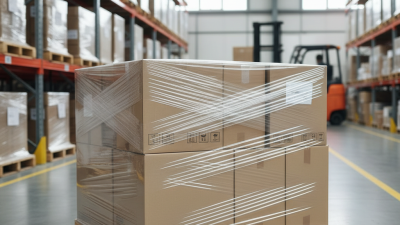
In the ever-evolving world of packaging, understanding the various types of Pallet Stretch Wrap Film is crucial. These films play an essential role in securing goods for transport. Selecting the right type can optimize efficiency and reduce costs. Companies rely on this material to protect their products.
Different films serve different purposes. For example, some films are more suited for heavyweight items, while others excel with lighter packages. The right choice impacts sustainability and operational efficiency. Many businesses are exploring eco-friendly options to meet growing environmental demands.
Yet, not all films are created equal. Understanding specifications and strengths is critical. Poor selection can lead to damages and increased expenses. Evaluating options before making a decision is vital for better performance and reliability. The market offers diverse alternatives, inviting both innovation and careful consideration.
2026 Innovations in Pallet Stretch Wrap Film for Packaging Efficiency
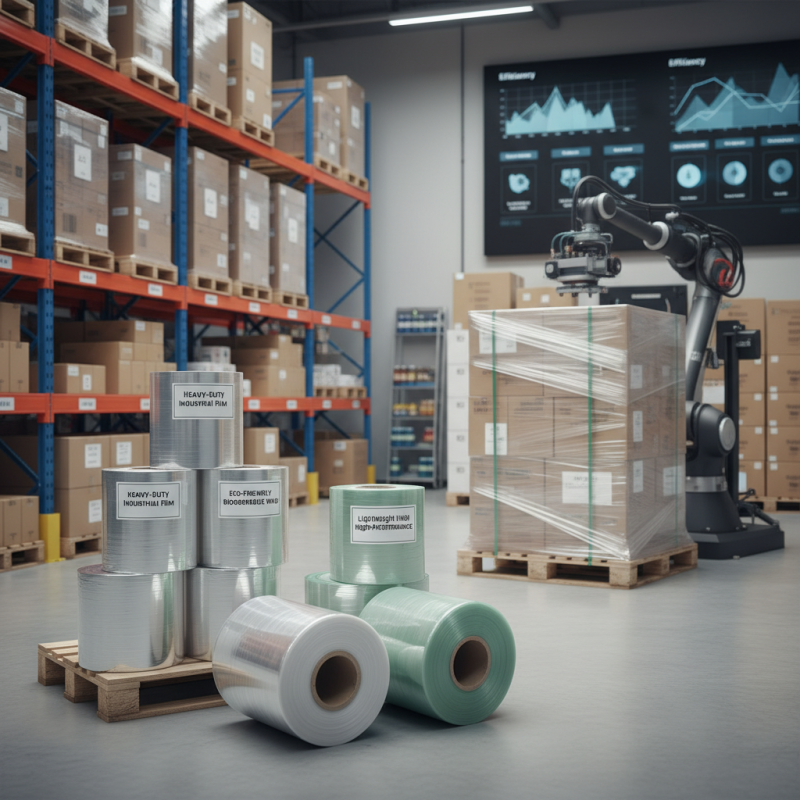
As advancements in packaging technology continue to rise, 2026 brings innovative solutions in pallet stretch wrap film. These films are not just designed for protection; they aim to optimize efficiency in warehousing and logistics. New formulations offer improved cling properties, allowing for better load stabilization while reducing plastic use. This shift not only enhances the environmental impact but also cuts costs, making it easier for companies to operate sustainably.
Tips: Always ensure the wrap is compatible with your pallet. Some films are designed for specific weights and dimensions. Choosing the right type can enhance efficiency and prevent product damage during transport.
Recent developments also focus on user-friendly features. Easy-to-tear edges and reduced weight rolls can significantly reduce labor costs. However, some users may find that not every film works well with various machinery. Testing is crucial to determine the best fit for your operations.
Tips: Conduct trials with small batches. Measure performance and adjust accordingly. A small investment in testing can save larger costs in the long run.
2026 Innovations in Pallet Stretch Wrap Film for Packaging Efficiency
Understanding the Different Types of Stretch Wrap Film Materials
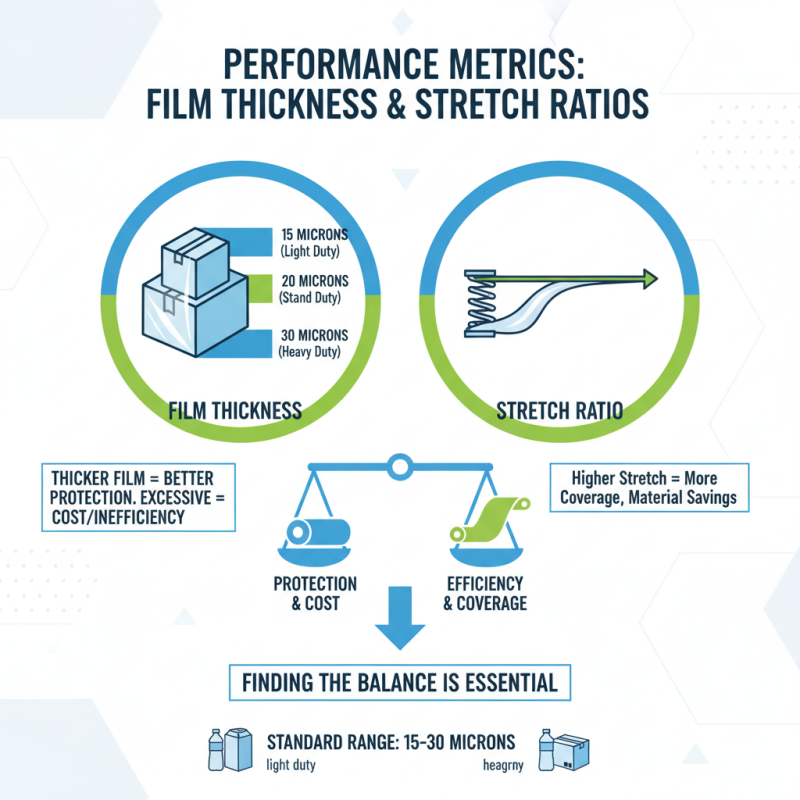
When exploring stretch wrap film materials, it’s important to understand the various types available for efficient packaging. The most common materials include cast and blown films. Cast stretch film is clear and offers excellent clarity for visual inspection. Its stretchability allows for a snug fit around items. Blown stretch film, on the other hand, provides higher puncture resistance but may lack the same clarity.
Tips: Always choose the type based on your specific needs. If visibility is crucial, go for cast film. For heavy-duty applications, blown film may be the better option. Regularly assess the types of film you use. Sometimes, switching types leads to improved efficiency.
Another option is pre-stretched film. It uses a process that stretches the film beforehand, reducing waste. While it might be more costly upfront, the savings in material usage can be significant. Reflecting on your choices can help determine if this option suits your operations.
Tips: Evaluate your packaging process for areas of improvement. Sometimes, minor adjustments in film choice can lead to better overall performance. Regularly gathering feedback from your team about material effectiveness can foster better decision-making.
Industry Trends: Eco-Friendly Stretch Wrap Solutions for 2026
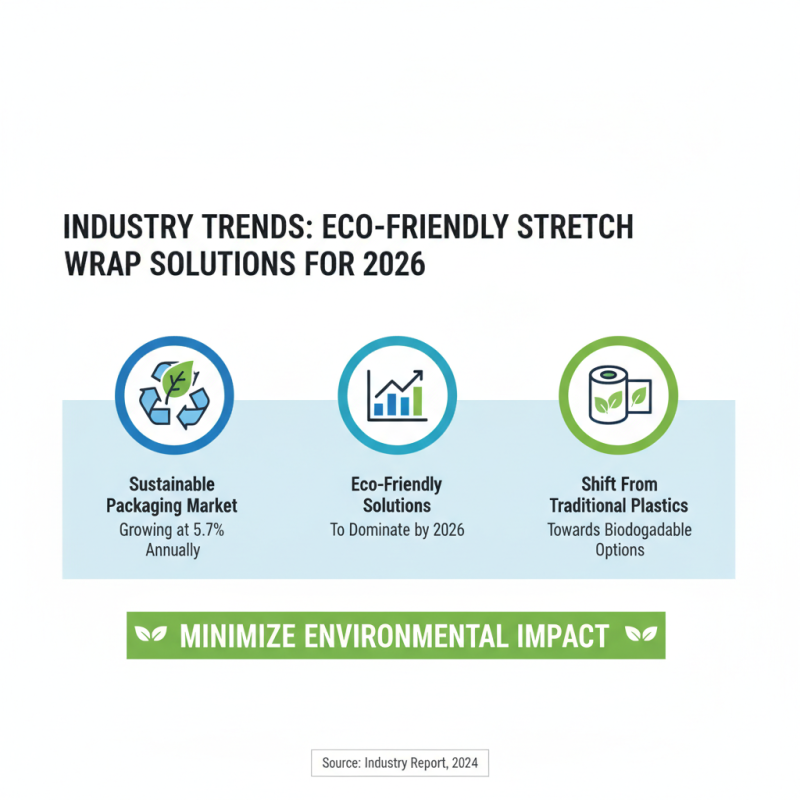
Eco-friendly stretch wrap solutions are set to dominate the packaging industry by 2026. A recent report indicates that the sustainable packaging market is growing at a rate of 5.7% annually. Companies are increasingly focusing on materials that minimize environmental impact while maintaining performance. Traditional plastic films generate significant waste, prompting a shift towards biodegradable options.
Innovations in stretch wrap technology are emerging. For instance, films made from recycled materials can reduce energy consumption during production. This shift not only supports sustainability but also ensures that businesses comply with regulatory guidelines regarding waste reduction. Experts suggest that adopting these eco-friendly materials can lead to cost savings and improved brand reputation.
However, challenges remain. Not all eco-friendly stretch wraps offer the same level of strength and elasticity as conventional films. Businesses must thoroughly evaluate their packaging needs. In some cases, a compromise between sustainability and performance is necessary. Taking proactive steps toward eco-conscious packaging can enhance overall operational efficiency, but careful consideration is essential for optimal outcomes.
Cost-Benefit Analysis of Using Pallet Stretch Wrap in Logistics
In logistics, the choice of pallet stretch wrap can significantly influence cost efficiency. A recent industry report indicates that using quality stretch wraps can reduce product damage during transit by up to 30%. This reduction can lead to significant savings in replacement costs, which typically account for an average of 2-6% of shipping expenses. With logistics spending representing 8-10% of overall sales, even minor improvements in packaging can yield substantial financial benefits.
Evaluating the cost-benefit ratio of stretch wrap is essential. For instance, businesses that switch to higher-grade films may initially spend more. However, they often realize savings through decreased spoilage rates and less need for additional packing materials. The right selection can also streamline labor costs, as efficient wrapping methods reduce packing time. Data shows that proper pallet securing can increase load stability and cut down on labor intensity.
Not every option is perfect, though. Cheaper wraps might seem appealing but often lack strength. They can lead to higher overall costs if damaged products require re-shipping. Furthermore, the environmental impact of plastic waste from stretch wraps cannot be ignored. Companies must weigh quality versus cost, considering both immediate and long-term effects on their logistics budget. Adopting sustainable practices may add to upfront packaging costs, but they can improve a company's reputation and meet consumer demand for green solutions.
2026 Top Types of Pallet Stretch Wrap Film for Efficient Packaging Solutions
| Type of Stretch Wrap |
Features |
Cost per 1000 ft |
Load Retention |
Application Areas |
| Standard Stretch Wrap |
Good puncture resistance, stretchable |
$20 |
Up to 60 days |
General warehouse applications |
| Pre-Stretched Film |
Reduced waste, high durability |
$25 |
Up to 90 days |
Food and beverage, pharmaceuticals |
| Colored Stretch Wrap |
Enhances branding, UV protection |
$30 |
Up to 60 days |
Retail and promotional items |
| Vented Stretch Wrap |
Allows airflow, prevents moisture buildup |
$28 |
Up to 45 days |
Produce and fresh goods |
| Machine Stretch Wrap |
High efficiency for automating packaging |
$22 |
Up to 30 days |
Manufacturing and distribution |